












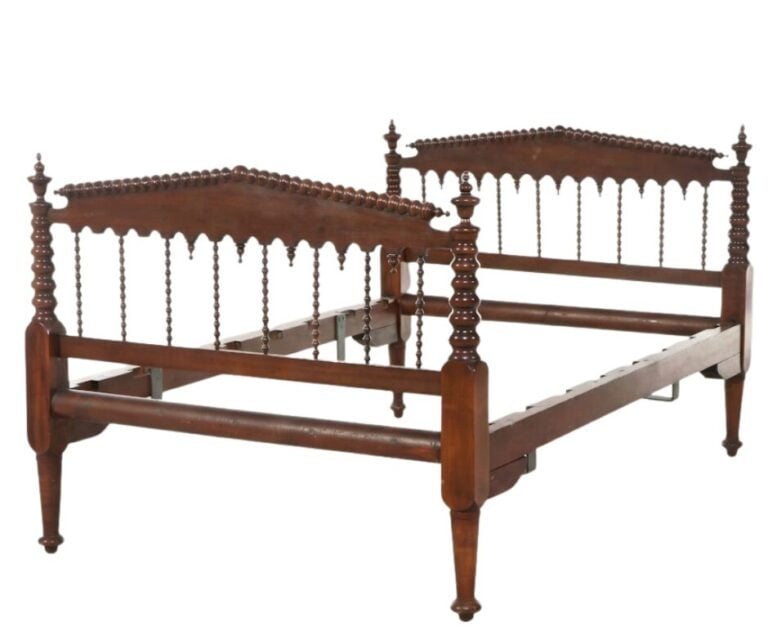



Every chair holds the memory of those who sat in it and every garment bears the imprint of the person who wore it. These ordinary objects quietly document how people lived, worked and expressed themselves. Beginning February 14, visitors can trace these hidden histories in Treasures From the Attic: 250 Years of Fashion & Furniture at Behringer-Crawford Museum, on view through August 9.
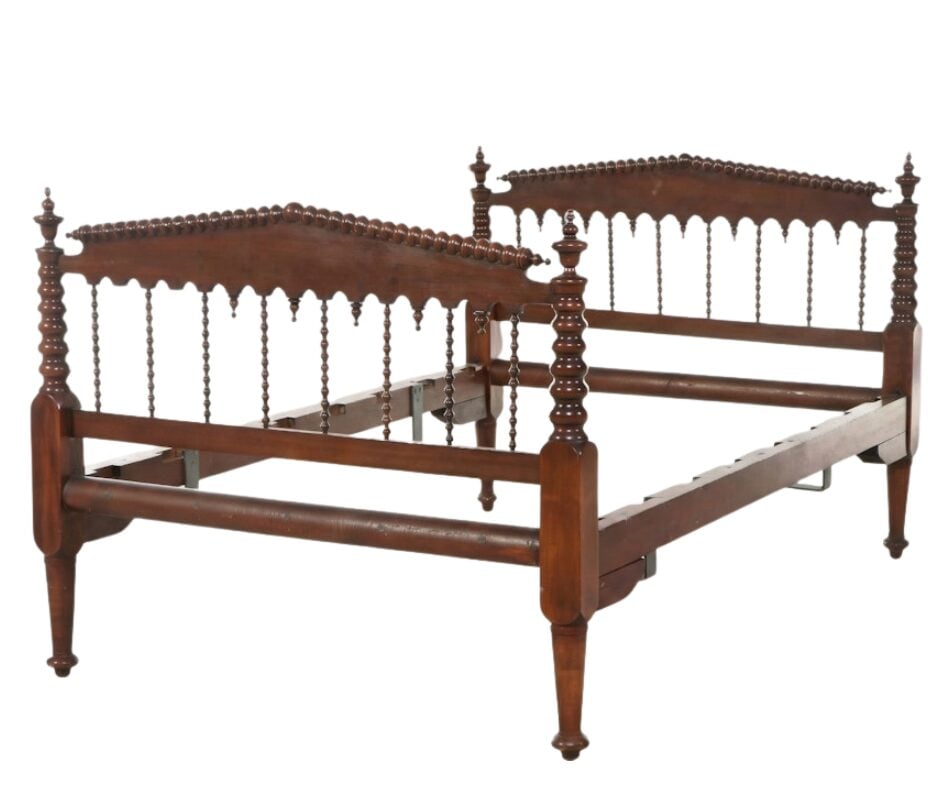
at Abraham Lincoln’s death. (Photo from BCM)
Developed in collaboration with Northern Kentucky University’s Public History Program, the exhibition gives students hands-on museum experience while supporting BCM’s collections, education and exhibition work. “The relationship between these students and the museum is invaluable,” said Dr. Brian Hackett, Associate Professor of History at Northern Kentucky University. “Public history students gain real-world experience in collections care, education and exhibition development, while the museum benefits from the energy and skills of emerging professionals. It’s a partnership that strengthens both institutions and serves the community.”
Part of the national America 250 commemoration, Treasures From the Attic invites guests to explore how furniture and fashion can serve as windows into the past. Constructed from regional woods or imported textiles, crafted by hand or guided by machinery, used in parlors, bedrooms, factories or fields, these everyday objects reveal innovation, craftsmanship, resilience and changing cultural values across two and a half centuries.
Visitors will have the opportunity to slow down and “read” furniture and clothing by looking for clues: tool marks and joinery, screw heads and veneers, seam finishes and fabric choices, silhouettes and construction techniques. These small details offer insight into who made an object, who used it and how it fit into the rhythm of daily life. Sometimes a single chair leg, seam or button tells a story that written records never captured.
Fashion throughout the exhibition highlights how clothing reflected social expectations and daily routines. From corseted dresses and empire styles to flapper era fashion and polyester leisure suits your grandpa may have worn, clothing tells stories about changing norms, technology and personal expression. There was a time when a shopping trip to Coppin’s Department Store meant women wearing dresses, hats and white gloves, very different from how we head to the mall today.
“Furniture and clothing are some of the most personal historical objects we have,” said BCM Collections Associate and NKU student Sarah Jordan. “They carry the marks of the people who made them and the lives of those who used them. When you look closely, you might be surprised how much history is hiding in plain sight.”
Treasures From the Attic: 250 Years of Fashion and Furniture opens February 14 at Behringer-Crawford Museum in Devou Park. For admission information and upcoming programs connected to the exhibition, visit bcmuseum.org.
Behringer-Crawford Museum