










By David S. Rotenstein
NKyTribune reporter
Legal medical cannabis use in Kentucky passed a milestone Thursday as the Commonwealth’s first medical cannabis processing facility hosted a ribbon-cutting ceremony in Dayton.
Bison Infused Kentucky, LLC, will be operating out of a commercial building at 1202 Second Ave. The company will be doing business as Toro Infused.
Kentucky legalized medical cannabis production and use in 2023. The law became effective Jan. 1, 2025. It established the types of cannabis facilities that could operate in Kentucky and created a regulatory framework for issuing patient registration cards, licensing, producing and selling cannabis products.
There are four license types under Kentucky’s medical cannabis law.
“There’s cultivators who grow the plant, processors who process it, testing facilities who obviously do the state testing, and then dispensaries,” explained Kentucky Cannabis Industry Alliance Executive Director Rachel Roberts.
Bison Infused received its processing license June 26, 2025. It will manufacture edibles and other products from Kentucky-grown cannabis. Bison Infused is the first of 10 processors that work under contract to dispensaries.
Processors are in the middle of a cannabis supply chain that begins with cultivators or grow sites. “A grow site will grow the product. When it’s ready to harvest, they’ll harvest it, cure it, dry it on site,” said Roberts. “And then that product is sent to a processor if it is being processed.”
Bison Infusion buys plant material and extracts cannabis oil.
“We use that extracted oil to manufacture products like edibles, topicals, and tinctures that we then sell to dispensaries for patients to purchase,” Bison Infusion CEO Mario Gadea told the NKyTribune before the ribbon-cutting.
Gadea said there were lots of regulatory hurdles to overcome in addition to qualifying for a state license. Because cannabis processing is new to Kentucky, getting local permits was a challenge.
“Local permitting offices, they’ve never dealt with a business like ours before. So there’s a lot of new things and a lot of questions that we had to answer to help them understand what we were doing,” Gadea said.
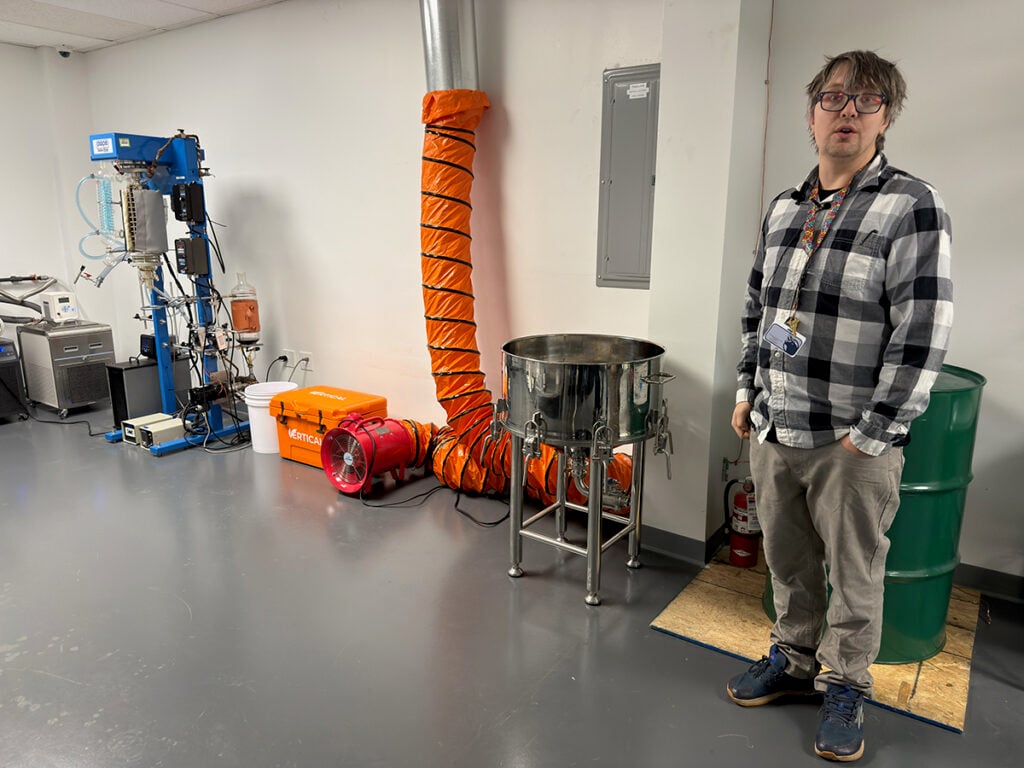
Bison picked Dayton because the city declined to prohibit cannabis businesses. Kentucky’s medical cannabis law requires local governments to notify the Kentucky Office of Medical Cannabis whether they are opting in or out of the cannabis business.
Dayton City Council member Joe Neary told the NKyTribune Toro is an important addition to Dayton.
“We’re glad to have an industry like this here,” Neary said. “We were really the pioneers to unanimously say, ‘Yes, it’s allowed here.’”
Dayton’s a small city and there weren’t a lot of options for siting the new facility to meet requirements set by the Commonwealth. Cannabis facilities need to be located 1,000 feet from existing elementary and secondary schools and daycare centers.
“We knew that the industrial zone was really the only area that it could go,” Neary said. “With our geography here, this was really the only area that it could be. And, in fact, I think this is the only block that it could be.”
Cities and counties that want cannabis businesses must enact ordinances or pass ballot measures approving them. Dayton is one of 74 cities that opted into the program; 58 cities opted out. Dayton enacted an ordinance allowing cannabis businesses June 25, 2024.
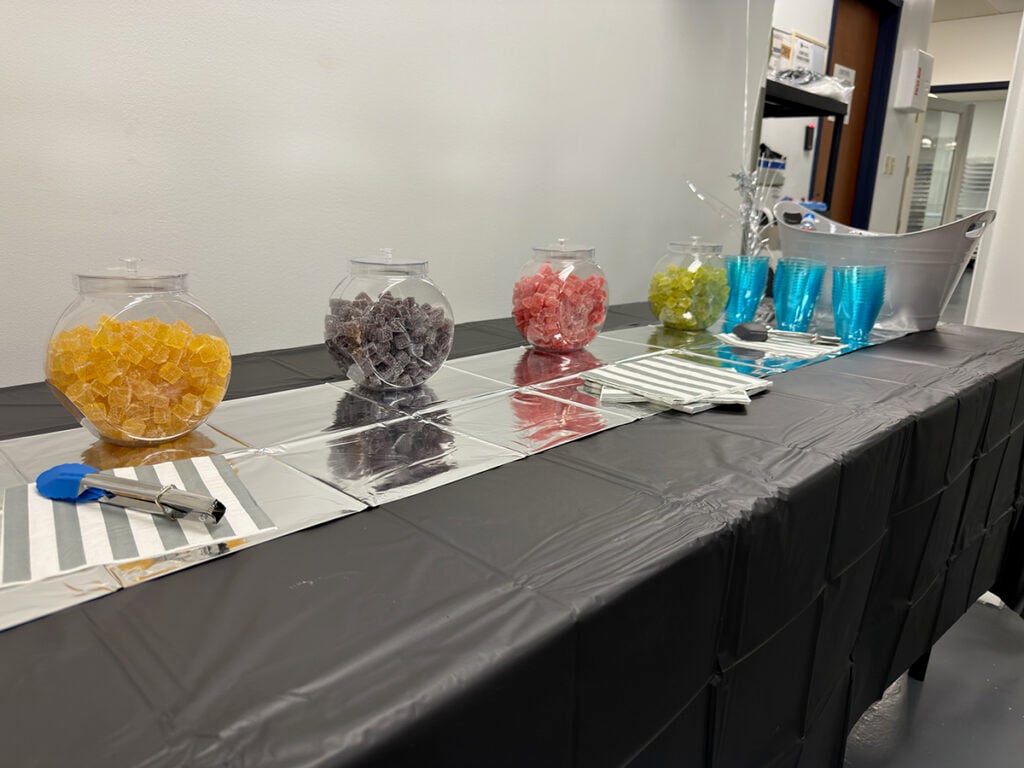
Finding a supportive local government was one hurdle that Bison overcame.
Gadea said he wanted to be in Northern Kentucky.
“We probably went through six or seven [cities] before we landed in Dayton,” Gadea said.
Dayton is a prime location. Proximity to nearby cities and the CVG airport, plus access to major highways used to transport raw materials, were major factors.
“Being able to acquire raw materials and other things besides the cannabis that goes into the products,” Gadea said. “So, just shipping and receiving is a lot easier.”
Medical cannabis is poised to become a major industry in Kentucky once all of the Commonwealth’s processing facilities and dispensaries come online.
“There are about 16,000 Kentuckians who already have their medical cards and over 20,000 that have applied,” Roberts said. “I would expect those numbers to go up as soon as people realize that they can get product.”
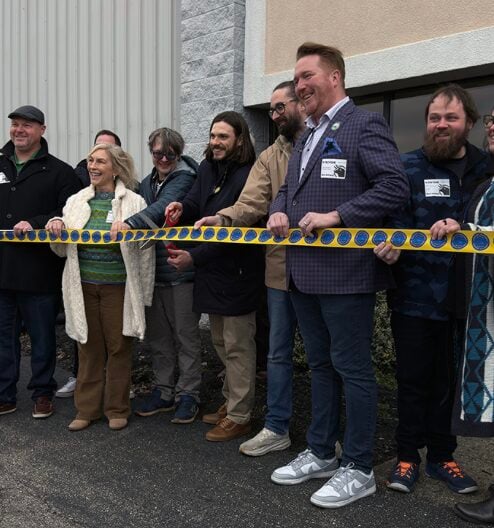
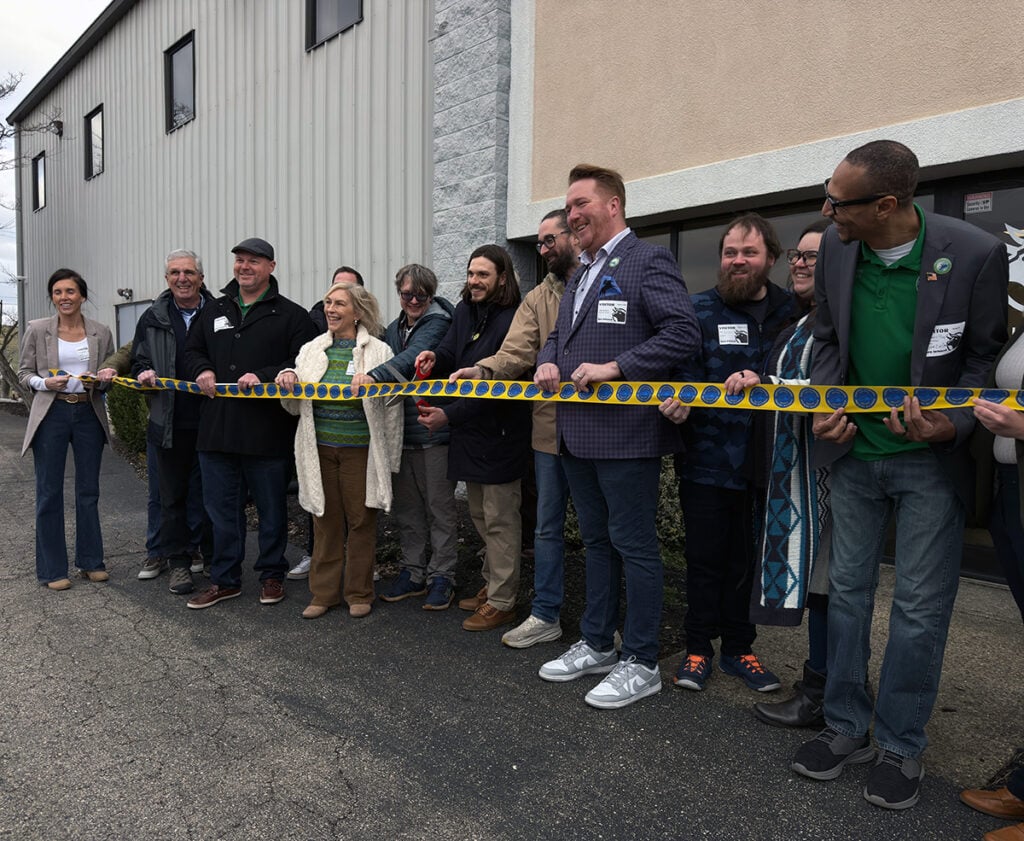
After a quick tour of the spotless and heavily monitored facility, the dignitaries and Toro employees joined Dayton Mayor Ben Baker and city council members, Roberts and regulators for the ribbon-cutting outside with a brisk wind blowing.
“It’s an honor for me today to be able to introduce Bison Infused,” Baker told the crowd. “Dayton, Kentucky, actually has a very long history with hemp. We used to have hemp on the fields that would be turned into rope and was sold into the steamboat industry.”