








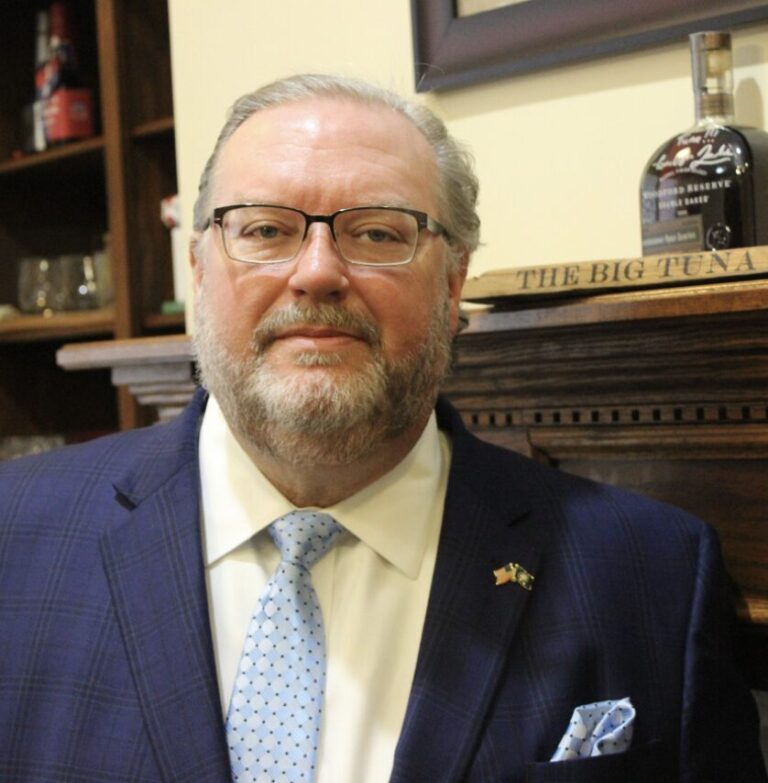
By Andy Furman
NKyTribune staff writer
He has spent more than half his life doing the work he loves.
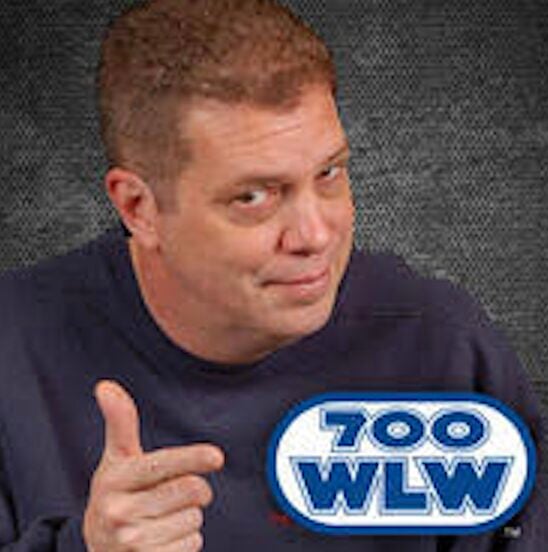
“I’m a winner,” the 65-year-old Gary Jeff Walker told the Northern Kentucky Tribune “Winner in the war of attrition.”
Saturday, Walker will huddle – with his fans, friends and listeners at Huddle’s Café – 628 Monmouth Street, Newport – to celebrate his, gulp 46 years in broadcasting – going on 30 at Cincinnati’s 700-WLW Radio in Cincinnati.
“I started this Huddle’s party thing after my 19th season – in 2016,” he said, “Because I didn’t know if there would be a 20th.”
Walker has been hosting a Saturday morning – 6-9 a.m. – news, information, entertainment, magazine/variety format show for the station now going on year 30. “I knew there were a lot of people following our show, and 10 years ago many showed up at the studio for our anniversary.”
The native of Mt. Pleasant, Iowa said he got the radio ‘Bug’ listening to music when he was around seven years old. “We lived just outside of Chicago, and I was able to hear to deejays from WLS and WCFL. I was hooked. That’s what I wanted to do.”
And he did just that.
His first on-air non-paying gig was WCCP-FM, at Volunteer State Junior College – his first paid gig was June,1980.
“I was hired at WHIN-AM in Gallatin, Tenn.,” he said, “and, no, I really wasn’t nervous at all since I had all that college radio experience under my belt.”
That experience enabled the Southgate resident to flip from music to talk – he also hosts 700 WLW’s 9 p.m.-to-midfnight talk show – Monday and Tuesday evenings.
“The change in radio, specifically music has been tremendous over the years,” he recalled. “When I started we had two turntables and a microphone. I started playing music with 45s and albums. Today music has morphed from carts to CDs and now it’s all digital, or on hard drives.”
And Walker has been able to adapt to all of it.
And for hosting a talk show, Walker cites the Fairness Doctrine as the big change. That Doctrine was a Federal Communications Commission (FCC) policy in effect from 1949 to 1987 requiring broadcast licensees to present balanced coverage of controversial public issues.
It mandated that stations provide contrasting viewpoints, rather than equal time, on important topics. The FCC repeated it in 1987, arguing it discouraged coverage of controversial issues, a decision often cited as accelerating partisan media.
The FCC ceased enforcement in 1987, and President Ronald Reagan voted legislation intended to codify it. Proponents of the doctrine believed it fostered informed public debate, while opponents argued it violated the First Amendment free speech rights of broadcasters.
“It created great talk, and stars like Rush Limbaugh,” Walker said. “As for myself, I enjoy the debate, and the Saturday interaction with the guests and audience.”
Saturday morning, he says, without a doubt, has been the highlight of 46 years in radio.
“It’s never been this good,” he adds.
Saturday afternoon, he’ll be able to share the good times with his friends, listeners, and coworkers.
“It’s always a good social gathering. It makes me feel appreciated; knowing that people listen. This has been more than a job. It has a family feel to it.”