












With clouds of war and revolution gathering in Europe and the American colonies in the mid-1700s, art, literature, theater, and music moved to reject the Enlightenment ideal of rational order. The resulting period reflecting society’s anxiety came to be known as Sturm und Drang – German for storm and stress.
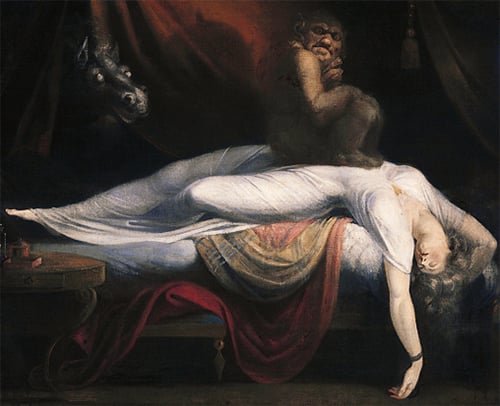
Objectivity and sentimentality gave way to emotional extremes, particularly of fright and anger. Writers and painters like Goethe, Kant, Gluck and Fuseli created characters and subjects that showed individualistic motivations, often driven by themes of greed, jealousy or revenge.
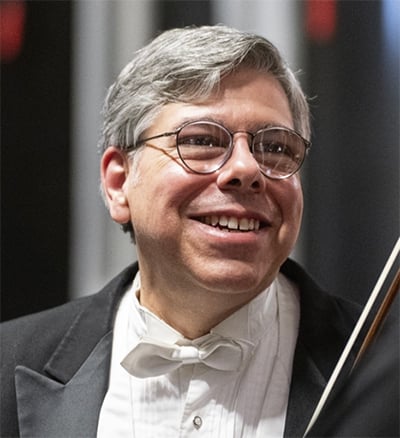
Instrumental music captured a sense of agitation and frenzy. Composers used minor keys, jagged themes, unexpected accents and dramatic dynamic changes to stir fear or sadness in listeners. KSO associate conductor Thomas Consolo will lead a cauldron of musical toil and trouble from the 1760s and ’70s on March 21 in a program of music by Gluck, C.P.E. Bach, Boccherini, Haydn and
Mozart.
Christoph Gluck was a musical revolutionary, bringing innovations to music that would dominate the emotional philosophy of music for a century. The powerful finale of his ballet Don Juan describes the unrepentant title character being dragged to Hell. Gluck later reused it in his landmark opera Orfeo ed Euridice as “Dance of the Furies.”
The three-movement Sinfonia in B Minor of J.S. Bach’s son Carl Philipp Emmanuel Bach follows, before Luigi Boccherini’s Symphony in D minor, subtitled La Casa del Diavolo (The House of the Devil), closes the first half. Boccherini, who played many of Gluck’s works as a cellist in Vienna, quoted the “Dance of the Furies” in his symphony’s finale.
The program’s second half opens with an early symphony by the prolific Franz Joseph Haydn. His Symphony 39 in G minor, written in 1765, shows its “sturm” in its outer movements’ dramatic pauses, startling harmonies and angular themes. Finally, Wolfgang Amadeus Mozart’s Symphony No. 25, often called the “litte G minor,” closes the evening. Moviegoers will recognize it from the opening of the 1984 film Amadeus.
“This music can fall in the cracks between big-name composers of the late Baroque and Classical eras,” said Consolo. “It’s great to be able to put these composers in the spotlight together to show how inspired, skilled and groundbreaking they were.”
Does history seem to repeat? Does art reflect societal change and upheaval?
Join the KSO for music from the time of the Declaration of Independence at 7:30 p.m. Saturday, March 21, in Greaves Concert Hall at NKU.
For additional information and tickets ($19-$35), go to kyso.org or call 859-431-6216.
Kentucky Symphony Orchestra