










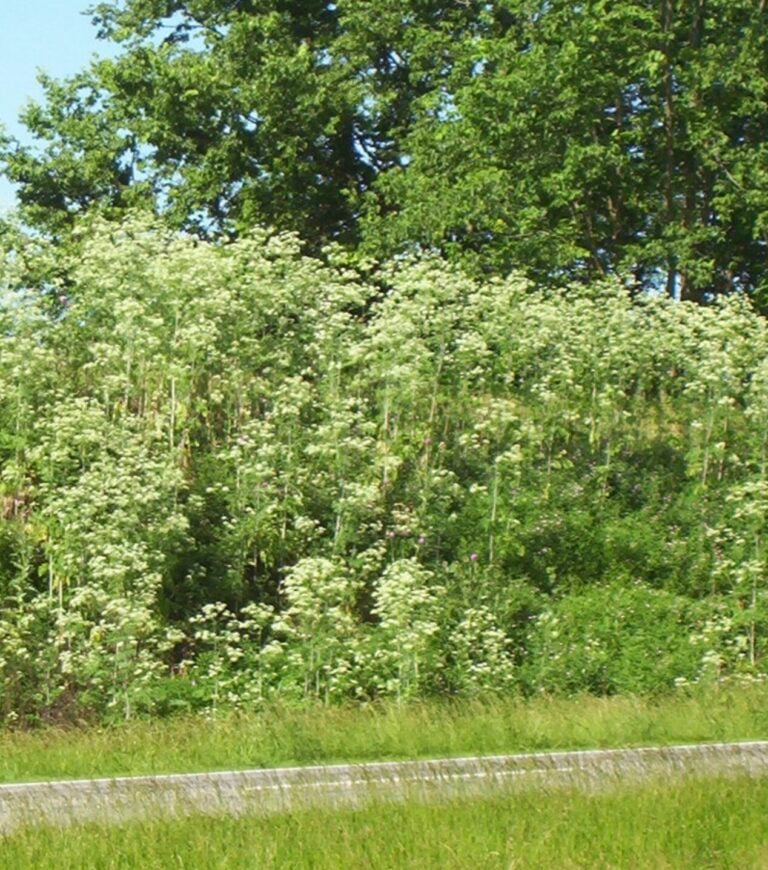


To prevent infrastructure damage and maintain roadway visibility, KYTC’s transportation crews will soon begin roadside treatments targeting invasive and harmful vegetation.
“There’s a lot that goes into maintaining the integrity and safety of our roads,” said KYTC Secretary Jim Gray. “Our annual treatment of noxious weeds not only minimizes erosion and damage to drainage systems – it protects travelers by reducing unnatural roadside habitat that attracts wildlife closer to traffic.”
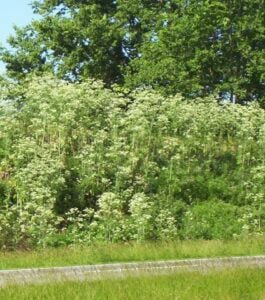
KYTC is directed to control the following invasive plants and noxious weeds in accordance with KRS 176.051 and 603 KAR 3:100:
• Amur Honeysuckle (Lonicera maackii)
• Canada Thistle (Cirsium arvense)
• Common Teasel (Dipsacus fullonum)
• Cutleaf Teasel (Dipsacus laciniatus)
• Japanese Knotweed (Polygonum cuspidatum)
• Johnson Grass (Sorghum halepense)
• Kudzu (Pueraria montana)
• Marestail (Conyza canadensis)
• Multiflora Rose (Rosa multiflora)
• Nodding Thistle (Carduus nutans)
• Poison Hemlock (Conium maculatum)
• Spotted Knapweed (Centaurea stoebe)
Noxious weeds like Spotted Knapweed and Canada Thistle often invade and destroy the roadside turf grass, leaving these areas vulnerable to erosion. Aggressive invasive species like Kudzu can smother native plants through rapid reproduction and long-term persistence.
Others, like Amur Honeysuckle (a favorite of white-tailed deer), if left to mature, can grow over 20 feet tall and wide, reducing roadway visibility and attracting wildlife closer to roadways.
Kentuckians with noxious weeds on private property adjacent to state-owned rights of way may request highway crews to treat listed vegetation. Application forms are available upon request from the appropriate KYTC highway district office. Contact information may be found on the district web pages listed here.
Motorists are reminded to use extra caution when crews are out treating roadsides.