













To the Editor:
I moved to Covington a little over a year ago from New York City, drawn by the same things that draw many people here: historic architecture, relative affordability, and a city that seems to be actively shaping its future.
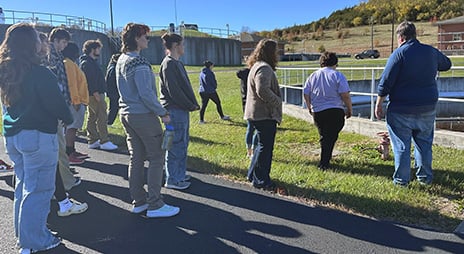
Soon after arriving, I applied to the inaugural Covington Mayoral Academy because I believed in the idea behind it — that residents could learn how the city works and contribute to making it better.
Earlier this year, WKRC Local 12 reported on a Covington family who spent more than ten days sleeping in their car during a winter storm after discovering their rental home had been illegally wired to steal electricity. When the utility company disconnected service, the family lost heat and power. The city ultimately issued the landlord a $250 fine and referred the tenants to Legal Aid.
That story prompted me to look more closely at how Covington responds when rental housing becomes unsafe or uninhabitable. I developed a case study for the Mayoral Academy examining what I call the city’s “tenant protection gap” — the space between when a problem is reported and when a tenant actually receives meaningful protection.
What the research showed is that the current system largely runs on administrative timelines. Violations are documented. Notices are issued. Landlords are given time to comply. Meanwhile, tenants are often referred to outside organizations that are already stretched thin.
In practice, this can leave residents living for weeks in homes without heat, electricity, or structural safety while the enforcement process works its way forward.
Covington has shown that it can enforce its ordinances decisively when it chooses to. The question is whether the same urgency is applied when the issue is a tenant’s basic safety inside their home.
As the city considers priorities for federal housing funds through programs like Community Development Block Grants and HOME Investment Partnerships, tenant safety should be at the center of that conversation.
Emergency habitability assistance, proactive inspections, and faster response protocols would go a long way toward ensuring that no Covington resident has to wait for an administrative timeline while their home is unsafe.
Cities are judged not only by the projects they build, but by how their systems respond when residents need help the most.
Chad Ragan
Covington
2025-2026 Covington Mayoral Academy