









Whatever one thought of the recent State of the Union address, one reality stands out: the leadership on display — both at the podium and in the audience — fell short of what our nation deserves.
Moments like these raise questions about the character of our leaders, erode public trust, and challenge our collective sense of who we are and who we aspire to be.
Such a contentious display tests our capacity for rational discourse, our willingness to place country above self, and our confidence in the moral compass of both our leadership and our citizenry. In an environment charged with emotion and division, it is worth reexamining how we define leadership and what we should expect from those who hold positions of influence at every level.
Leadership has been defined in countless ways, but at its core it is the capacity to lead—to motivate, inspire, and guide others toward a shared purpose. A leader is someone whose character and skills make others want to follow. One can lead well or poorly, but the measure lies in the qualities they embody.
So what are the essential qualities of good leadership?
Experts consistently point to honesty and integrity, confidence, competence, and the ability to inspire. Good leaders communicate clearly, make sound decisions, and take responsibility for their actions. They are humble, empathetic, resilient, transparent, and committed to excellence.
Great leaders go further. They are fully present. They listen deeply, ask thoughtful questions, and make others feel seen and valued. They earn trust—and extend it. They admit mistakes without excuses. They balance optimism with realism, passion with humility. They drive change without losing sight of people. They empower others rather than hoard authority.
By contrast, the traits of poor leadership are equally recognizable: micromanagement, arrogance, detachment, unfounded criticism, poor communication, and a failure to articulate purpose or work alongside others.
Dwight D. Eisenhower once said, “Integrity was unquestionably the supreme quality of leadership. Without it, no real success is possible.” Zig Ziglar added, “With integrity, you have nothing to fear… you will do the right thing.” Winston Churchill called courage “the foremost of the virtues,” and Larry Bossidy emphasized humility: “The more you can contain your ego, the more realistic you are about your problems.”
Honesty, integrity, courage, humility, and civility, these are not lofty ideals reserved for textbooks. They are the bedrock of leadership. The question before us is simple: Are these qualities too much to ask of those who lead us? And just as importantly, are they too much to ask of ourselves?
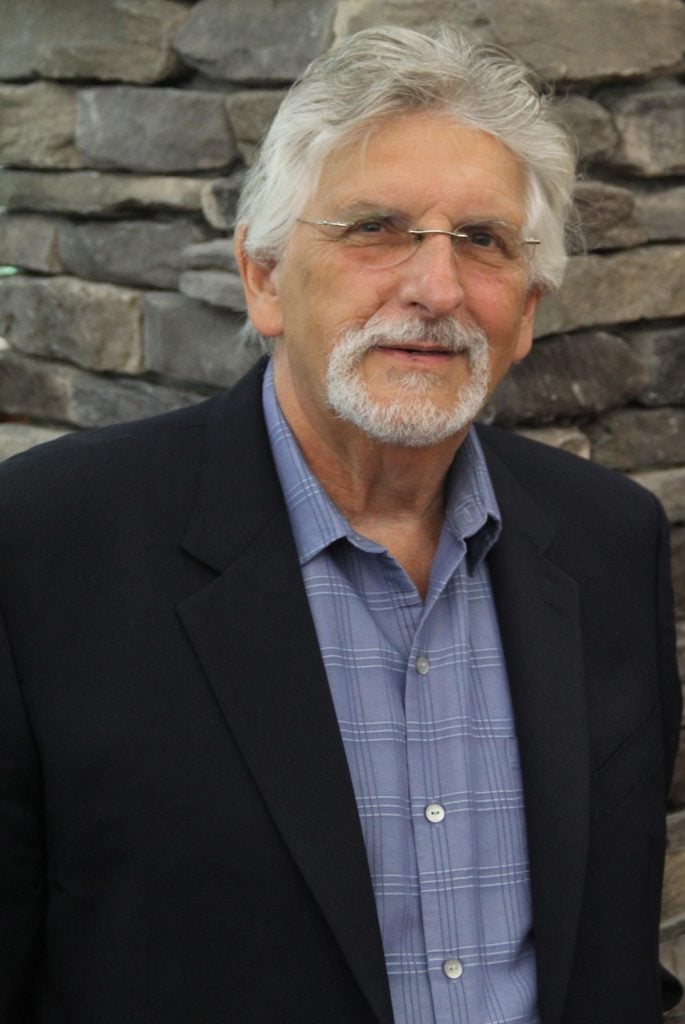
Jeff Rubin is an author and positive aging advocate. He lives in Berea. He invites seniors to share their stories at “Senior Moments,” where he is collecting videos in which seniors define that phrase with their stories.