











For over 16 years, Sanitation District No. 1 and Northern Kentucky University have partnered to bring water quality education into the classroom, reaching over 1,000 students since 2009.
Last fall, the partnership launched “Every Drop,” a communications framework that turns water quality lessons into real-world storytelling and public messaging assignments, helping students connect what they learn to the waterways and neighborhoods around them.
SD1 and NKU built Every Drop as a set of five micro-lessons for the general education course ENV 130: Water and People. The framework reinforces core water quality concepts while giving students structured prompts to translate technical infrastructure topics into clear, everyday language, highlighting how daily habits can protect rivers and streams.
“This collaboration reaches students at a formative point in their lives,” said Chris Cole, SD1 director of enterprise communications. “When people understand how everyday actions—what they flush, pour down drains or leave on the ground—affect our community, they become better stewards of our region’s water resources.”
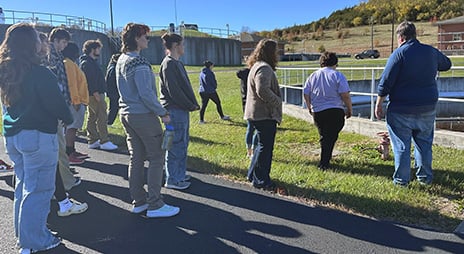
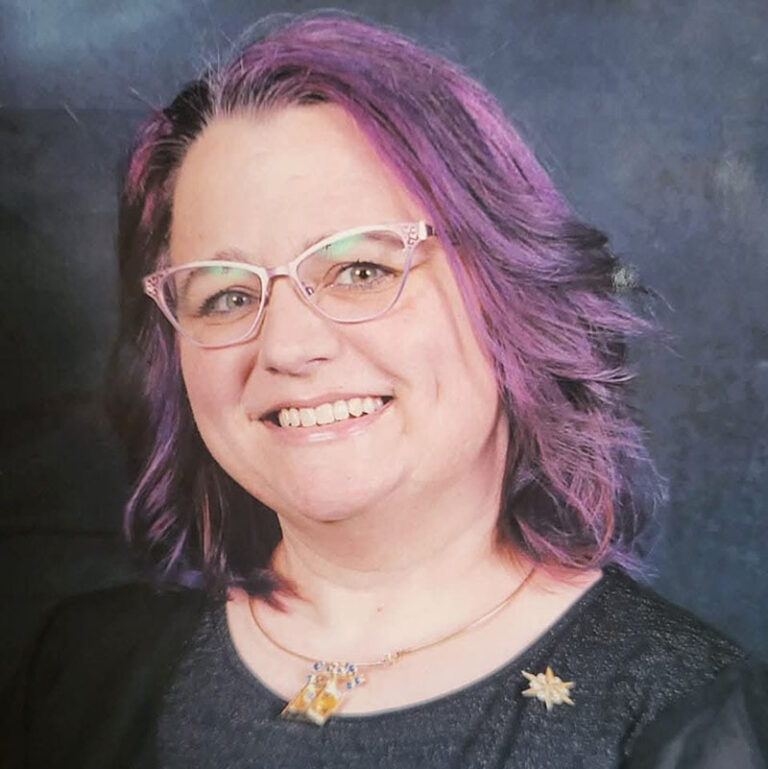
Dr. Kristine Hopfensperger, professor and director of NKU’s Environmental Science Program, taught the course and helped develop the new lessons. She said using local examples has been one of the partnership’s biggest strengths. Through classroom discussions and site visits, students examined local water systems and challenges, including how SD1 is addressing sewer overflows through its Clean H2O40 initiative.
“Clean H2O40 is a plan to manage rainwater and wastewater so they don’t overflow into streets or rivers,” said Sarah Keeney of Somerset, Ky. “As a student, this matters to me because I like to fish in the Licking River and cleaner water means these places stay safe for recreation and wildlife.”
Students concluded the semester by creating public service announcements using formats such as video, poetry and even rap music. SD1 then shared select projects on social media, extending the course’s reach.
“Students often tell me how much they love the course and how they’re sharing what they learn with friends and family,” Hopfensperger said. “Programs like Every Drop show students that protecting water quality starts with everyday choices. When learning moves beyond the classroom, it has a lasting impact on the community.”
As part of its federal stormwater management responsibilities, SD1 is required to educate the public about how pollution affects local waterways. Through its education credit program, NKU receives approximately $10,000 annually in fee reductions in exchange for incorporating water-quality topics into multiple courses. The university reinvests these funds to support student research scholarships, lab supplies and field experiences.
“That agreement with SD1 is integral for us,” Hopfensperger said. “It’s the only funding we receive as a program, and it also allows us to give students real-world context they cannot get from a textbook. It strengthens our curriculum, supports our students, and directly benefits the region we serve.”
SD1 and NKU plan to continue using the Every Drop framework in future semesters.
“Partnerships like this show what we can achieve when we align around shared values,” Cole said. “We welcome opportunities to collaborate with others who are committed to environmental stewardship and Northern Kentucky’s future.”
To learn more about SD1’s educational program, visit sd1.org or contact SD1 Education Specialist Katrina Harney at kharney@sd1.org.
Sanitation District No. 1