















By Brenna Keller
NKyTribune associate editor
On Wednesday afternoon, the St. Elizabeth Foundation’s Gift of Health held one of its three annual educational events.

The Gift of Health is a women’s giving group within the St. Elizabeth Foundation. Members contribute $500, which can be split among up to five individuals. In addition to hosting educational events, they provide annual grant recipients with funds for patient care projects.
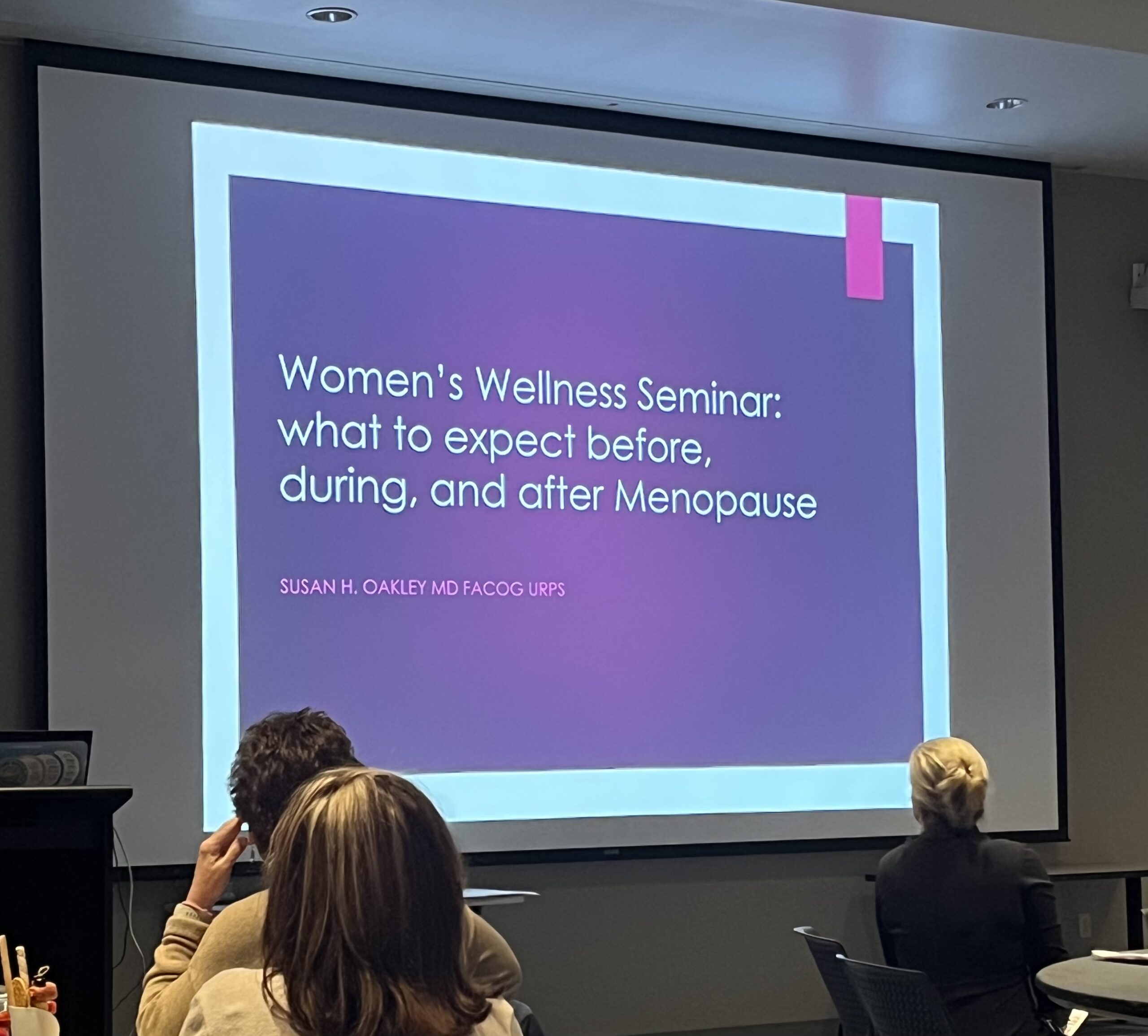
Dr. Susan Oakley was the featured speaker on the topic “Menopause: What to expect before, during, and after.” She is a urogynecologist with St. Elizabeth Physicians and specializes in pelvic floor disorders.
In addition to her role at St. Elizabeth, Dr. Oakley hosts the Lady Bod Pod, a podcast about women’s health and wellness. She regularly does menopause and puberty seminars.
Dr. Oakley realized she wanted to be a physician during post-college mission work in Africa. She trained in the Middle East through a program at Columbia University.
Self-described as “candid and ridiculously blunt,” Dr. Oakley encouraged audience questions. She emphasized that nothing is too personal, and any question an audience member asks would likely help another woman in the room.
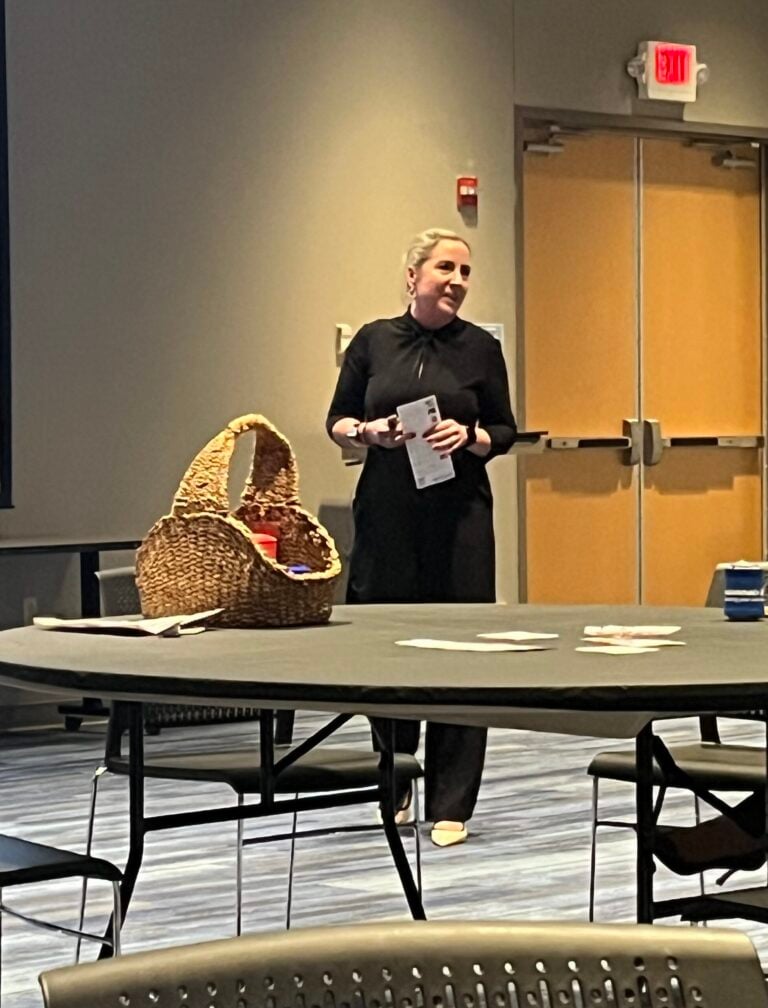
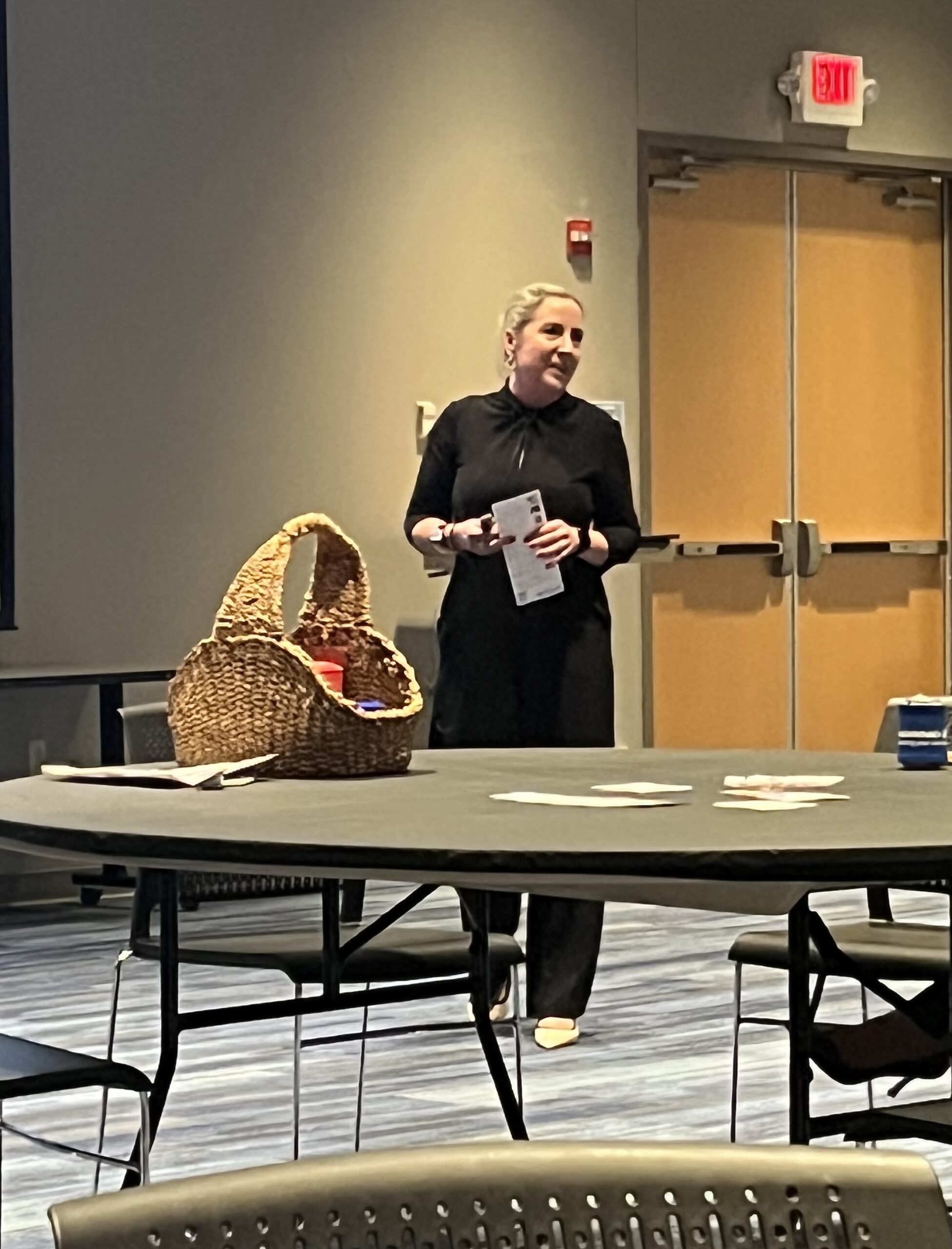
Prior to the presentation, one attendee described Dr. Oakley as “a Southern belle with a spicy twist.” That characterization proved true; rather than standing behind a podium, Dr. Oakley moved throughout the tables and kept the crowd laughing.
The first portion of the presentation provided some of the basics of menopause: what it is, symptoms, and treatments.
Menopause is a natural process where women stop having menstrual cycles. It typically occurs between ages 45 and 55. Menopause is typically defined as 12 months without a menstrual cycle.
Perimenopause, the transitional stage prior to menopause, typically begins in the mid-30s to early-40s. Estrogen begins declining around age 35.
There are a variety of symptoms that may be experienced during menopause, including hot flashes, mood changes, trouble sleeping, intimacy issues, and weight gain. Dr. Oakley noted that although about 80% of women experience hot flashes or night sweats, only about 20% of women seek treatment for menopause symptoms.
Dr. Oakley theorized that some women may avoid treatment because they believe that the only treatment is hormones, and they do not want to be put on hormones.
However, hormones are only one potential treatment for symptoms. Other treatments include a healthy diet, exercise, managing stress, and good sleep hygiene. There are even some supplements and homeopathic treatments available. Dr. Oakley noted that these do not have strong research backing them up. However, if they are not harmful, they are usually okay to try.
Not everyone needs hormone treatment, which involves combinations of estrogen and progesterone. There are some risks involved. Estrogen effectively treats hot flashes, but it increases the lining of a woman’s uterus. This increases the risk of uterine cancer. Progesterone is added to protect the uterus, but it can increase the risk of breast cancer. Women should discuss risks and how to mitigate them with their healthcare provider.
Dr. Oakley emphasized that there is no one “pink pill” to cure menopause. It is a multifactorial, chronic medical condition.
For example, women are at an increased risk of experiencing anxiety and depression during menopause. SSRIs (antidepressants) can help improve mental health and can also help with hot flashes. Counseling can help women experiencing anxiety and depression during menopause.
Other potential treatments for menopause symptoms include acupuncture and pelvic floor physical therapy.
Following the presentation, Dr. Oakley left lots of time for audience questions. Topics raised included:
- Loss of bone density (Dr. Oakley recommends strength training beginning at age 35 and taking calcium and vitamin D supplements)
- Collagen (Dr. Oakley says there is no definitive research, but is not harmful)
- Pain (Dr. Oakley recommends massage therapy, pelvic floor therapy, and over-the-counter pain medication)
- Testosterone (Dr. Oakley notes that it is an approved treatment in Europe, but the FDA considers it a controlled substance and any use currently in the US lacks official oversight)
The presentation was as promised; a straightforward discussion on what women should know about menopause, post menopause, and perimenopause.
The next Gift of Health educational event will be on June 18. There will be a CPR and AED training, showcasing one of the grants awarded in 2025.