













By David Rotenstein
NKyTribune reporter
The Northern Kentucky Port Authority (NKPA) was created in 1967. Its mission, determined by Kentucky statutes, was simple: operating facilities related to river commerce and navigational facilities in Boone, Campbell and Kenton counties. In recent years, the NKPA drifted well outside its narrow channel.
After being mostly dormant for its first 54 years, the NKPA roared back to life in 2022 with a new mission and new people at the helm. Now, four years later, the authority has completed several high-profile projects that some observers say go well beyond its original mandate. Rep. Matthew Lehman (D-Campbell County) has introduced a bill to legalize the NKPA’s new activities by expanding its mandate.
Northern Kentucky — along with Cincinnati — has a port authority because its three counties occupy valuable and strategic riverfront property. The Ohio River is an inland waterway that connects the region to the world through international shipping.
Early proponents envisioned creating a port that would control riverfront development to benefit the entire region. “It would place the Northern Kentucky shoreline under some kind of control for future use as recreation or terminal facilities,” the “Cincinnati Enquirer” wrote in 1965.
As Northern Kentucky counties completed negotiations to execute an agreement to operate the new entity, the emphasis remained on the riverfront. “The authority would help private industries plan and develop their own docking facilities,” the Enquirer reported in 1967.
The Kentucky legislature passed a law in 1964 enabling the creation of port authorities. It was narrowly focused: “The purposes of the authority shall be to establish, maintain, operate, and expand necessary and proper riverport and river navigation facilities,” the legislation reads. “And to acquire and develop property, or rights therein within the economic environs, the home county, or any county adjacent thereto, of the riverport or proposed riverport to attract directly or indirectly river-oriented industry.”
The 1964 law defined riverport facilities as “land, wharves, landings, buildings, equipment, and other improvements and appurtenances necessary or proper for the establishment, maintenance, operation, and expansion of riverports.”
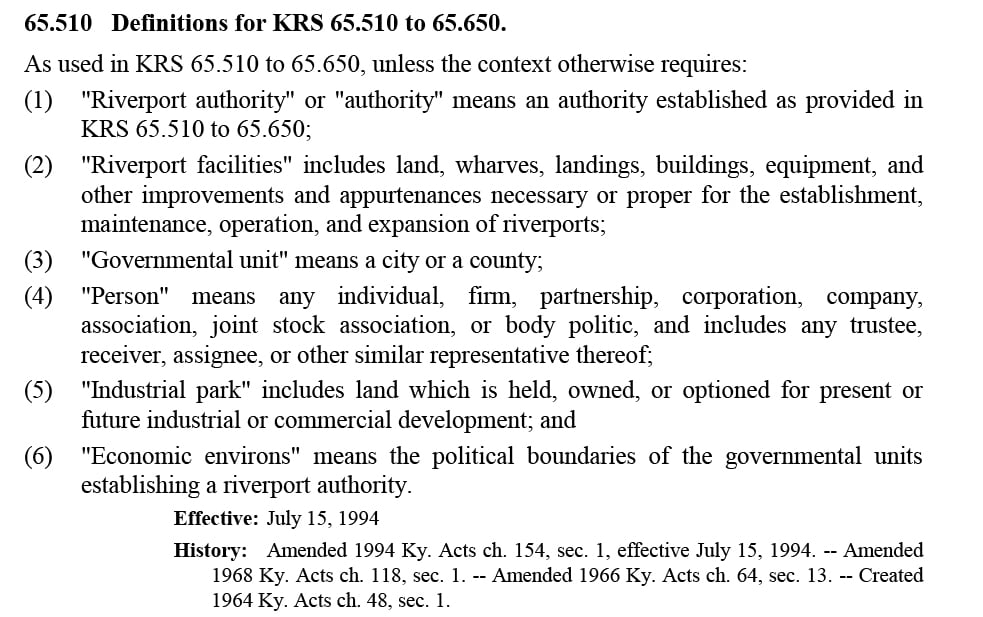
Provisions in the joint resolution creating the Northern Kentucky’s port authority in 1967 mirrored the 1967 law: to maintain, operate and expand “proper riverport and navigational facilities on the boundaries of the Ohio and Licking Rivers [sic.] in Kenton County, Boone County, and Campbell County.”
After nearly a decade of no activity, the NKPA filed a new joint resolution that reaffirmed the one passed in 1967. “The Northern Kentucky Port Authority was established to have all the powers, functions and duties authorized by the Kentucky Revised Statutes,” the 1976 resolution reads. “In addition thereto, the counties may delegate such other powers to the Port Authority as are necessary and incidental in carrying out its purposes, operations and activities.”
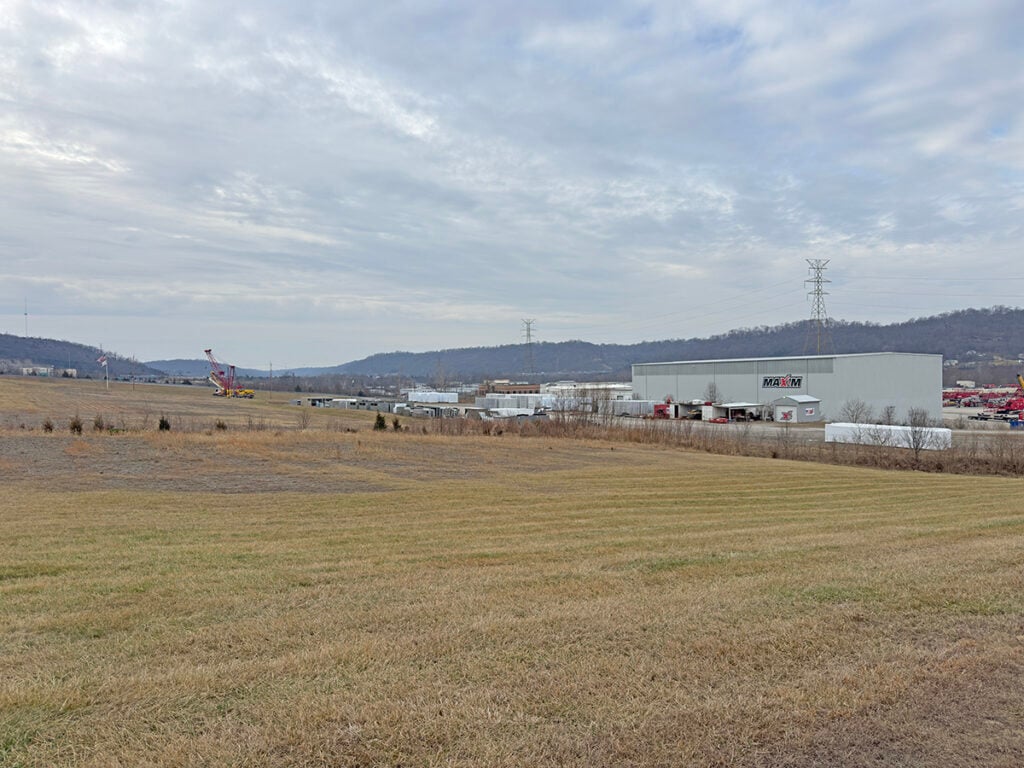
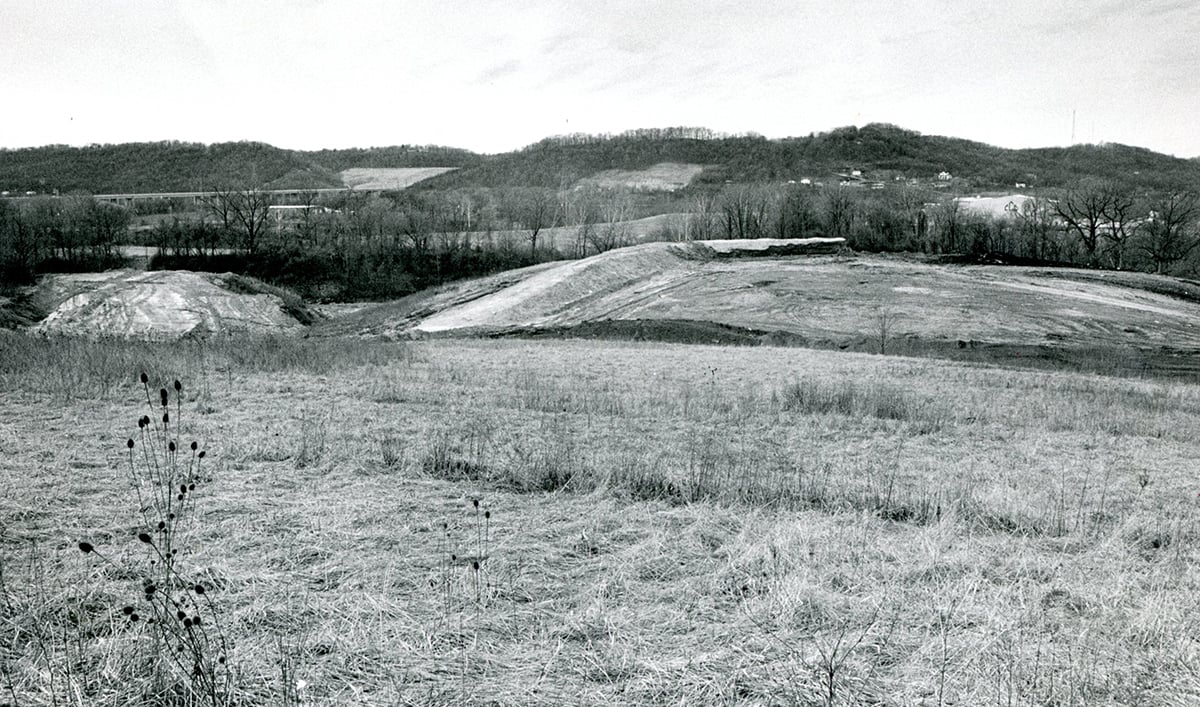
Shortly after signing the 1976 resolution, the Port Authority began pursuing funding for its first project: a Licking River coal dock and industrial park in Wilder, Campbell County. The 600-acre site expanded in 1979 to include part of the old Newport landfill. In 1983, the Environmental Protection Agency added the landfill site to its National Priorities List. It was a contaminated Superfund site.
The facility became a Foreign Trade Zone and it had trouble attracting tenants from the outset, partly due to the contamination. Troubles for the site continued into the 1990s when the federal government opened a criminal investigation into the Port Authority and Campbell County for overcharging in the cleanup.
By most measures, the NKPA was a failure.
“The port authority is dead in the water but we are fighting to keep it alive,” then-Kenton County Judge/Executive James A. Dressman told a Whitesburg newspaper.
Saddled by debt that reached $500,000 in 1985 and decisions to relieve Boone and Campbell counties from funding their commitments to the NKPA for a year, the stalled authority got a bailout of sorts by the newly created Tri-County Economic Development Corporation (also known as Northern Kentucky Tri-ED). Newspapers in 1988 called the absorption of the Port Authority by the new company a merger.
“It was not a merger. They are two distinct entities,” explained Port Authority Executive Director Christine Russell. “We call it a managed entity. It maintains its own board of directors, its own authority, its own bank accounts, its own audit. BE NKY provides operational support and staff.”
BE NKY is the name that Northern Kentucky Tri-ED has done business under since 2023, one year after reviving the Port Authority.
BE NKY took stock of developments in Northern Kentucky and across the river in Cincinnati and decided to breathe new life into the moribund Port Authority.
“It was probably a confluence of a lot of small things. One was definitely seeing the success across the river from the Cincinnati Port Authority,” Russell explained.
One advantage that Cincinnati had over Northern Kentucky was its port authority had a broader mandate to do more economic development.
“In the mid-eighties, they realized the economic development potential for port authorities, and they actually rewrote their port authority statute with economic development in mind,” Russell said. “And so there are port authorities all over Ohio that are not near any water at all.”
Russell said that the NKPA believes it has some of those same powers through the 1976 joint resolution. That belief appears in the 2014 NKPA audit: “The NKPA has broadened its scope pursuant to state law to provide economic development support services throughout Boone, Campbell and Kenton counties.”
Not everyone thought that the 1976 joint resolution expanded the NKPA mandate beyond the Commonwealth’s enabling legislation. In 2012, the Kentucky Legislative Research Commission reported that the Port Authority had sought an expanded mandate.
“The Chairman of the Northern Kentucky Port Authority and the President of the Port of Greater Cincinnati Development Authority discussed possible legislation to expand the development of the Northern Kentucky Port Authority beyond river transportation,” the commission wrote in its “Final Reports of the Interim Joint, Special, and Statutory Committees.”
Former legislator and former Covington mayor Joseph Meyer said that the NKPA has not been operating within its original statutory mandate. “I can say the way the port is operating is not authorized by the plain language of the Kentucky statutes,” Meyer said. “They seem to have confused Ohio and Kentucky laws, which are very different when it comes to port authorities.”
“Using the NKY Port is an unprecedented development model,” wrote Lehman in a press release distributed before his bill was filed Feb. 26.
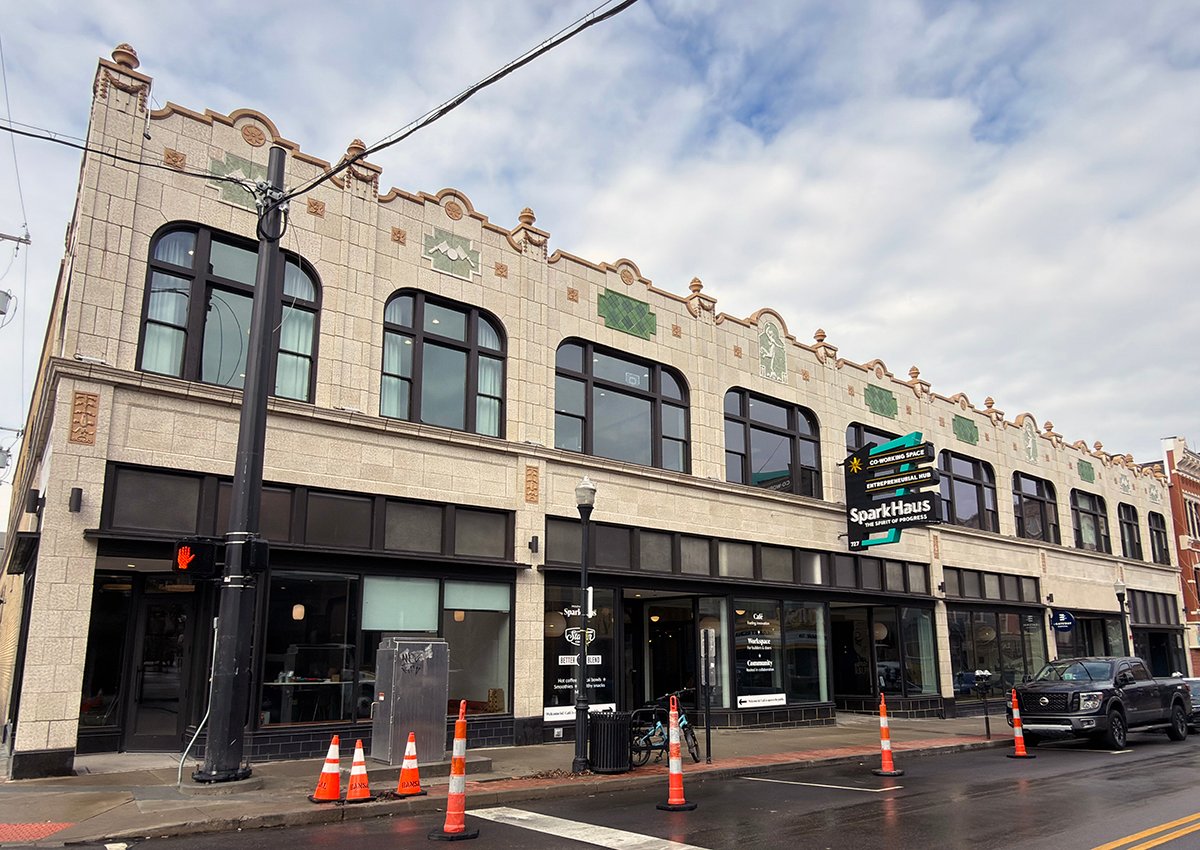
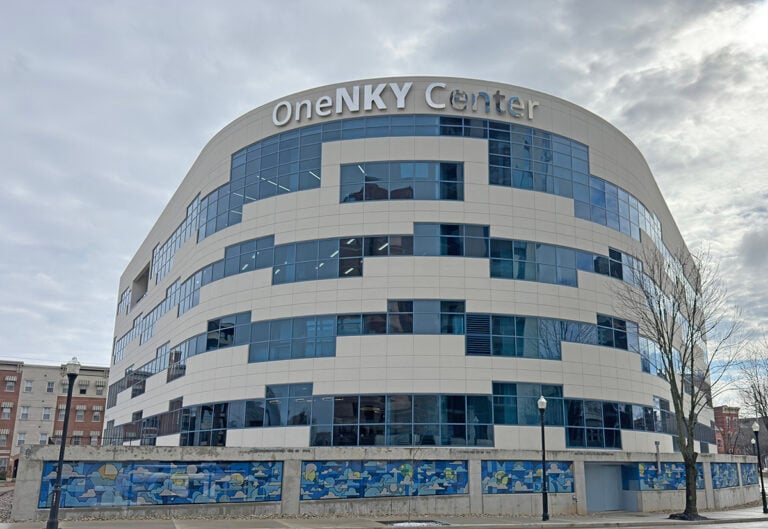
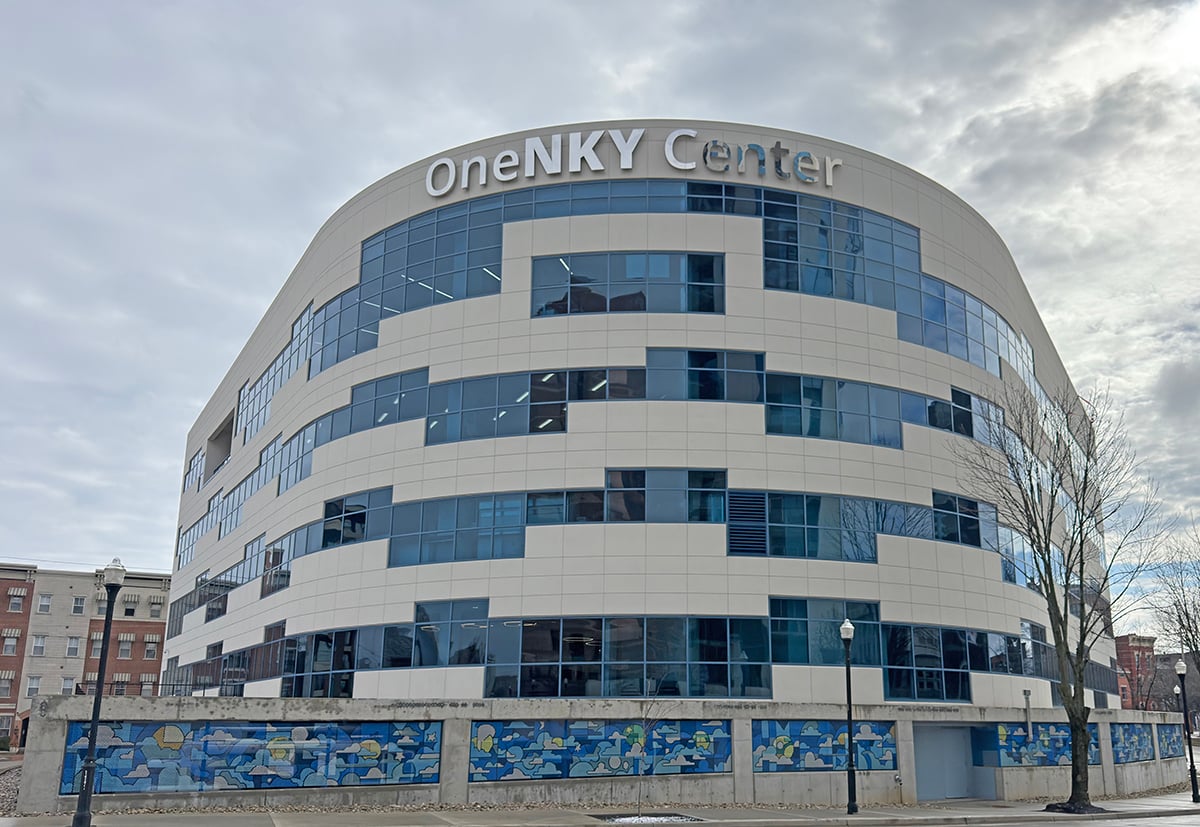
Meanwhile, since 2022, the NKPA has completed several high-profile and high-price tag projects, including the ONE NKY Building and SparkHaus. The recently announced acquisition and redevelopment of Covington’s former C&O Railroad roundhouse and Duro Bag plant is another.
Another high-profile project is the new Northern Kentucky Chase Law School and the University of Kentucky medical school campuses near Covington’s riverfront. The project has received widespread criticism of lack of transparency. Its move to Butler Foundation River Center parking lot has generated additional controversy.
Russell declined to answer questions about the project.
“Any chance that we could steer the conversation back to more of, like, the historical parts of what’s happening with the port,” BE NKY communications specialist Sydney Murray said.
Lehman’s bill appears to pick up where the 2012 Kentucky legislative session left off. It amends the earlier legislation by expanding its scope to “enhance, foster, aid, and promote transportation, economic development, housing, recreation, education, governmental operations, culture, and research within the jurisdiction of the authority or its economic environs.”
More importantly, Lehman’s bill strikes language from the earlier law that limited port authorities to river-related projects.
Other key provisions in Lehman’s bill include requirements to comply with local land use laws and comprehensive plans. It also requires port authorities to adopt codes of ethics and explicitly prohibits conflicts of interest by board members and employees.
“The current statute in Kentucky authorizes river port authorities,” Lehman said from his car while driving home from the legislative session Thursday. “I actually modeled this part of the bill off of the Ohio statute, which allows port authorities to engage in a lot broader economic development activities. It kind of increases the scope of the authority of river port authorities in Kentucky.”
As for how the NKPA has been doing business since its 2022 revival, Lehman has his doubts about whether it’s consistent with the 1964 statute.
“I think it’s questionable whether they have the statutory authority to do what they’re doing or not,” he said.
Meyer agrees with Lehman’s assessment.
“If it were to become law,” Meyer said, “it would actually legalize the operation of the Northern Kentucky Port Authority and bring the Port Authority’s operations, their legal ability to operate the way they are, into conformity with Kentucky state law.”