















By Jennifer Jahn
NKyTribune staff writer
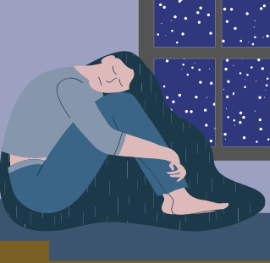
As seasons change from less daylight, drearier days, and colder temperatures that may keep you inside more than usual our moods can change as well. Many will report that they feel down, tired, or have the “winter blues” and, as the winter winds down into spring, feel their moods lighten. If there is a significant change in one’s mood, thoughts, and behavior, they may be experiencing seasonal affective disorder (SAD).
The History of SAD
National Institute of Mental Health first identified seasonal affective disorder in 1984, but research by the team dates back to the seventies with the team in Maryland. They had been investigating how light affects biological rhythms. During this time they met Herb Kern, a 63-year-old engineer.
Kern had detailed journals of his bipolar mood swings dating back to 1967. In all his writings, he observed that his moods showed a seasonal pattern, related to the length and intensity of sunlight. Kern wanted his melatonin levels to be tested during spring and winter to find evidence of this pattern.
The NIMH agreed instead to have Kern undergo a course of treatment with a light box. For three hours, each morning, they would bathe him in bright white light. It would be the same effect as opening the curtains on a clear, sunny spring morning. The same would be repeated as it darkened outside, around 4 p.m. Kern reported a lighter mood after the fourth day and by the tenth day change in his mood was for the better.
In 1984, Norman Rosenthal, the researcher and one who struggled himself with SAD, is credited with naming the syndrome, published a paper describing 29 patients with the same symptoms, including bipolar affective disorder, as Kern. SAD was formally recognized by the American Psychiatric Association in 1987.
Symptoms of SAD
Women are four times more likely to be diagnosed with seasonal depression; however, it can affect men and women. Keep in mind that women are more likely to speak to a medical professional about their symptoms. Here are just a few symptoms of SAD that may occur:
• Oversleeping
• Overeating (craving for carbohydrates)
• Social withdrawal
Also, remember the depression associated with SAD is related to changes in daylight hours. It is not associated due to the calendar and the many stresses that may come along with change in schedules, added holiday events, or working overtime.
Treatment of SAD
There are four main categories that have been used alone or in combination to help treat SAD:
• Light therapy
• Psychotherapy
• Antidepressant medication
• Vitamin D
Always talk to your health care provider about the benefits and risks to decide which treatment is best for you.
There are also a few ways to help yourself feel more control over SAD or its nonclinical, milder cousin subsyndromal seasonal affective disorders (SSAD).
If you are able, construct your schedule to live by the seasons. Go outside, regardless of temperature, as soon as you see the sun come out from behind the clouds. Eat whole foods and fruit that is in season. There is a reason why oranges are at their peak during our winter months. They boost your immune system, improve digestion, and satisfy sugar cravings.
Kelly Rohan, a professor of psychology at the University of Vermont, promotes adopting a more positive and accepting attitude towards winter. Instead of making a “Summer Bucket List,” prepare a list for winter that includes activities you can do with others and that will get you outdoors.
As winter approaches each year, it is important to recognize the difference between a temporary change in mood and symptoms that may signal seasonal affective disorder. Understanding SAD, its history, and its treatment options can help individuals respond more thoughtfully to the changes that shorter days can bring. With proper awareness, professional guidance when needed, and intentional lifestyle adjustments, many people can reduce the impact of seasonal mood changes and maintain emotional well-being throughout the colder months.