













Three steps to solving any problem are:
- Identifying the problem.
- Finding a solution.
- Completing the steps the solution requires.
If we take these three steps and apply them to our physical well-being, it often shows up as “I am out of shape” (the problem), “I need to get in better shape” (the solution that would solve the problem), therefore “I need to exercise and be more thoughtful about my eating habits” (the steps required to obtain the solution).
From my own experience working with people wanting to make changes to their lifestyles, people do not struggle with identifying the solution. Clients ubiquitously agree on what they should be doing to change. The question is always “How do I do it the right way?”
This question does not have an easy answer, which is why so many of us live in the “swinging of the pendulum” with healthy behaviors. We get motivated, make all of these promises to ourselves, and subsequently break them over time. The main issue is that we are often programmed to look for the easy answers that promise a resolution to our issues. Why on earth would someone want to deal with body image issues, GI issues, joint pain, insomnia, or consistent mental fog, or any other symptom of physical dysfunction longer than they have to? No one does, everyone wants it fixed as fast as possible.
One question worth asking yourself, that I ask all of my clients is “How long have you been dissatisfied with your physical well being?” The response is typically between five to fifteen years, sometimes much longer. The reason I ask this question is because you cannot reasonably expect to be completely different in 3-6 months if you have been living a completely different lifestyle for the past decade. It is not how humans change. We want to change quickly, but we just don’t.
True change happens slowly over time
Wanting the quick fix is partially an inability to acknowledge all of the choices you have made that led to this point in your life. Therefore, the problem is not that you are out of shape. The problem is that over the course of your life, you have made decision after decision that has resulted in you being dissatisfied with your physical appearance.
Being overweight is not the problem, it is a symptom of the problem. Making this distinction is crucial to long term change.
The truth is that you become who you are slowly over time. To change your lifestyle long term means being honest with what commitments you hold now that have led you to a place you do not want to be.
80-95% of contestants from the reality tv show The Biggest Loser regained all the weight within six years. This television show proves my point. The whole premise of the show is how much weight can you lose, and how fast? What this show exemplifies is that becoming a healthier person is much more than just losing weight.
Unfortunately, many of us trying to make changes in our life have this “sprint” perspective. We think it will work, and it does at the beginning. However, if we have not changed as people, we will always revert back to what we did before. Six months of intense weight loss activity cannot stand up to a lifetime of making decisions.
Change happens slowly over time. Therefore, if we want to make a lifestyle change for the long term, we have to stop asking ourselves “What will get me there the fastest?” We have to begin asking ourselves “What have I committed to for the past ten to twenty years that has led me to become unhealthy?” If we can answer that second question, we can start to unravel the long road of decisions that led to where we are now. That is precisely where the change must occur; our daily habits.
Answering the second question allows us to see what we have been doing, instead of bypassing that and going straight for the extravagant results. 70% percent of lottery winners going broke within a few years postulates the same problem. Our actions compound on one another, and we must understand this. If we do, then we can start taking small steps in the right direction.
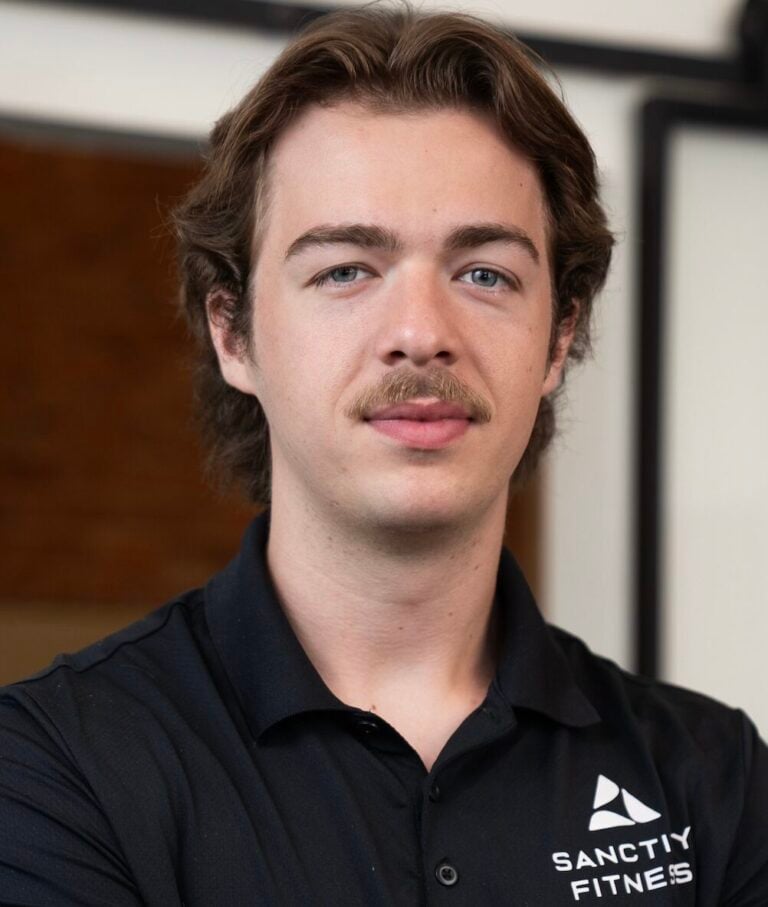
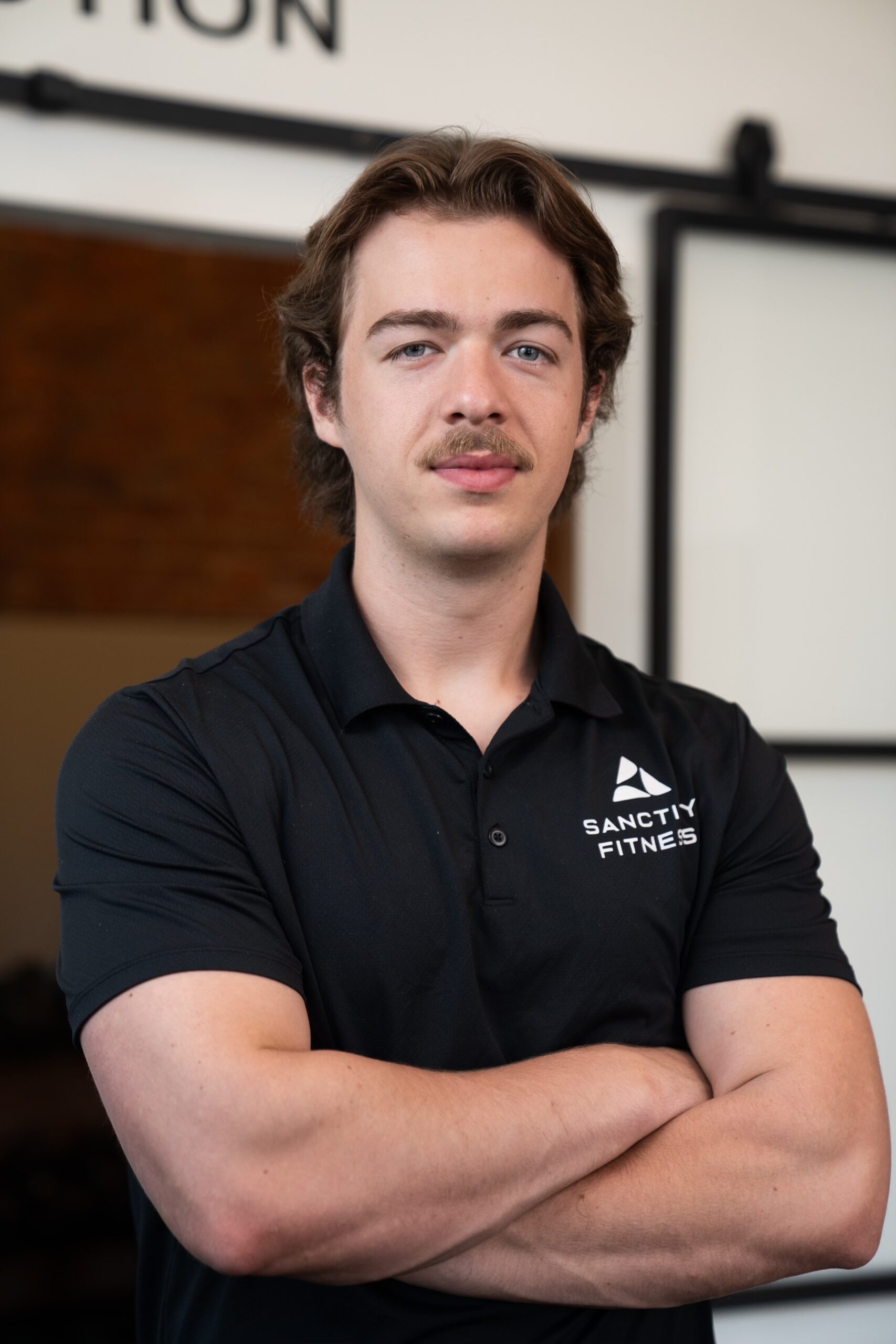
Lee Ramsey has a passion for fitness as a way to help people grow and change into more adaptable, capable and resilient versions of themselves. He is owner of Sanctify Fitness in Covington and a regular fitness columnist for the NKyTribune.