
















By David Rotenstein
NKyTribune reporter
Second of two parts
Short-term rentals are a fraught topic for many Northern Kentucky cities. As one Kentucky state senator seeks to strip communities of the power to regulate short-term rentals, municipal officials are fighting back while also struggling to enforce laws that are already on the books.
“We have a very good balance of businesses wanting to be here, people wanting to come to our community,” Covington City Manager Sharmili Reddy told the NKyTribune. “For us, it has to be a balancing act.”
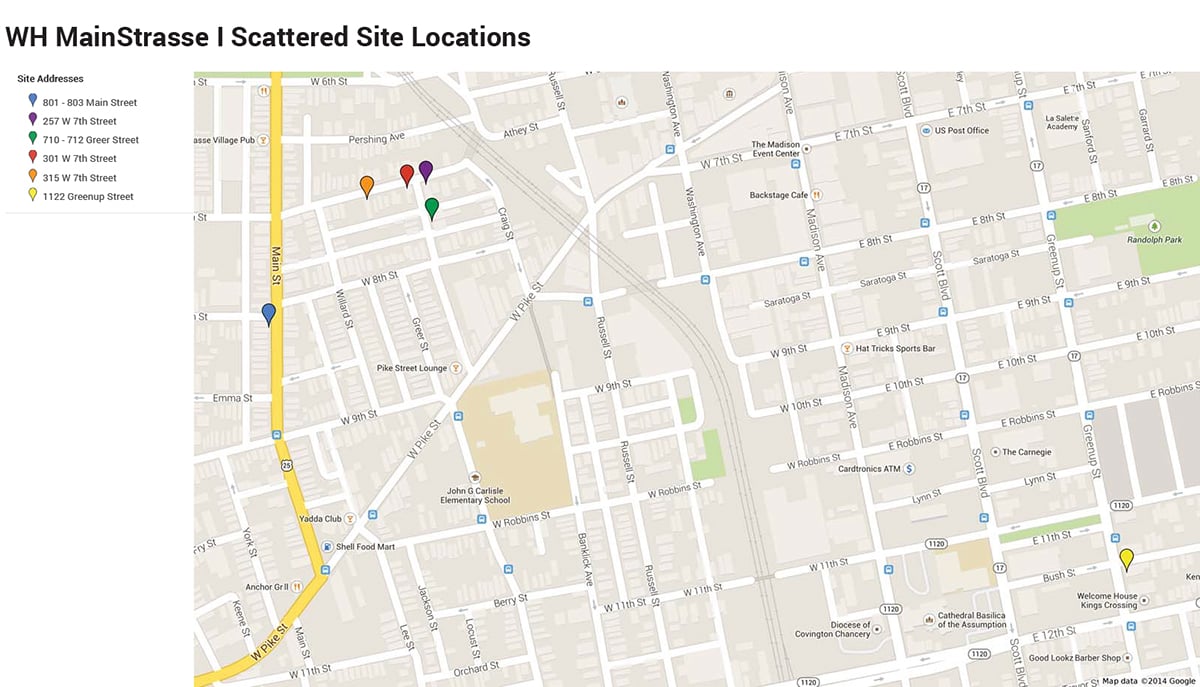
A failed affordable housing project inadvertently became part of Covington’s balancing act. In 2015, Welcome House, a local non-profit housing and service organization, bought 13 properties in Covington’s MainStrasse neighborhood. Welcome House then carved the portfolio of apartment buildings and multi-family homes into three groups: two affordable housing projects and a third with no immediate plans announced. The organization sold eight of the properties in that third group and two of them became short-term rentals.
Opponents of short-term rentals coalesce around a few issues, including crime and nuisances introduced by the businesses. Another is that the short-term rentals erode the amount of available housing, especially for low-income individuals and essential employees, like teachers and first responders.
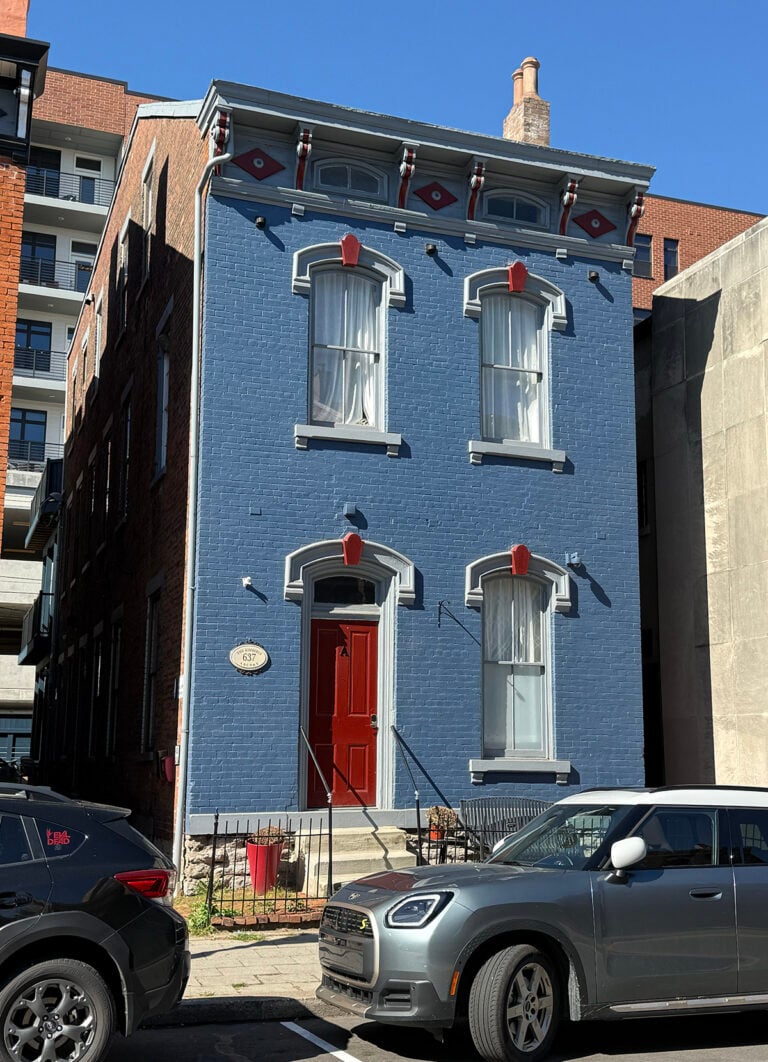
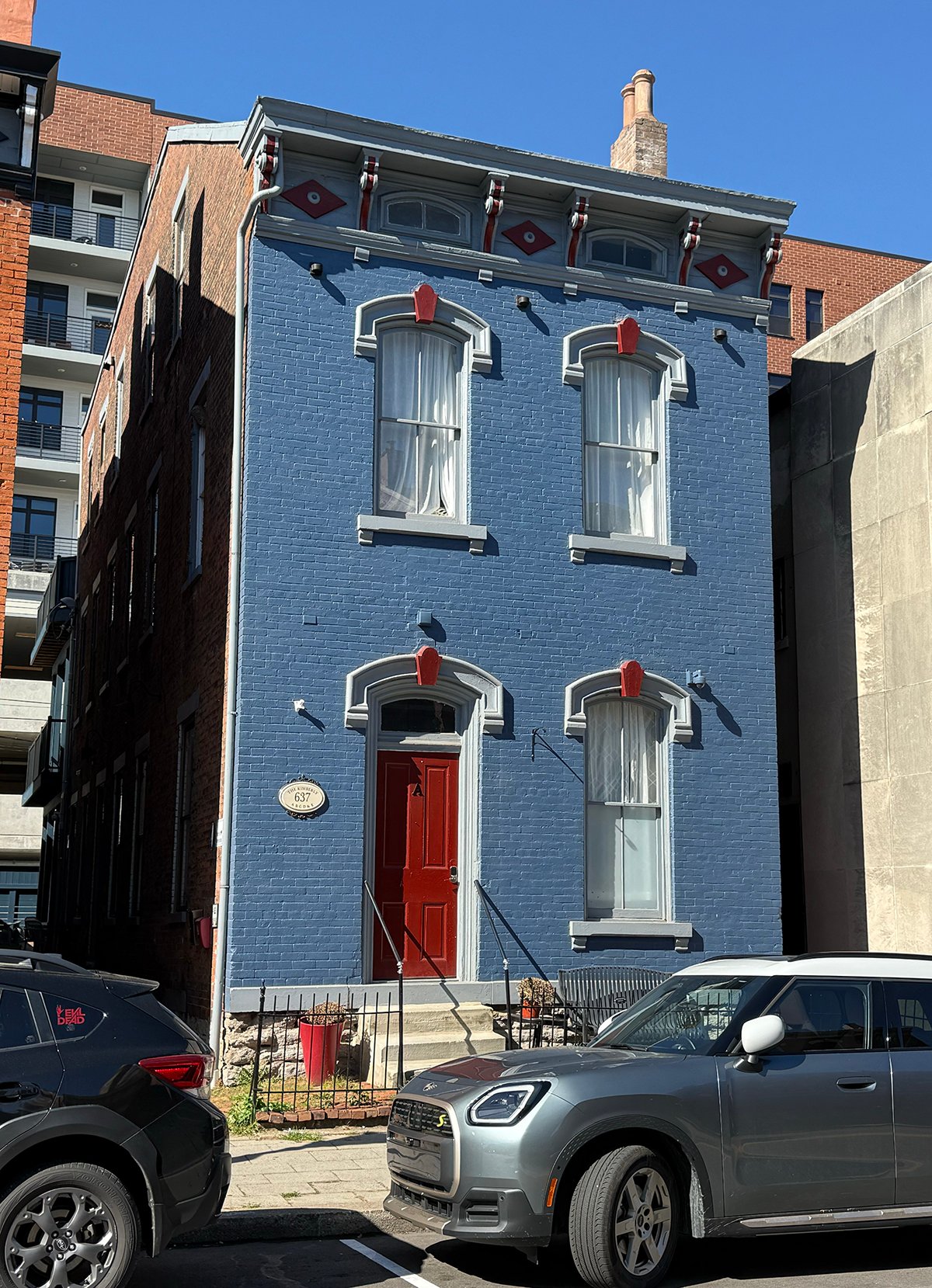
The Welcome House project enabled the shrinkage of housing units available to workforce and low-income families. Instead of affordable housing, the non-profit’s actions introduced six short-term rental units: five of them at 637 Main St. — The Kimberly — and a single-family house on Bakewell Street.
The Kimberly’s history is a window into how short-term rentals impact local housing markets and the ways operators may be circumventing Covington’s 2023 law regulating the businesses.
In the early 1980s, attorney Philip Taliaferro, now deceased, assembled two U.S. Department of Housing and Urban Development (HUD) Section 8 voucher housing projects. He called them the Bismark Apartments and the Germantown Apartments.
The Bismark Apartments comprised 12 properties scattered throughout MainStrasse. They included buildings in the neighborhood’s residential streets and several along Main Street, including 601 Main St., which is now the Cock & Bull Tavern.
Taliaferro’s other project, the Germantown Apartments, included 637 Main St., which became The Kimberly.
The Section 8 buildings changed hands several times between 1980 and 2015 when a for-profit Welcome House subsidiary, Main Strasse Holding, LLC, bought them. The for-profit then sold five properties to another Welcome House for-profit subsidiary (WH MainStrasse I, LLP), which then rehabilitated them and kept them in the city’s affordable housing inventory.
Another five Welcome House MainStrasse properties failed to get Low-Income Housing Tax Credit financing and plans to redevelop them were abandoned. Between 2018 and 2022, Welcome House then sold those properties, including 637 Main St.
Jason Spaulding in 2018 bought 637 Main St., three months after he joined the Welcome House board of directors, according to Kenton County land records and Spaulding’s LinkedIn profile.
Three months after the purchase, Spaulding sold it to 637 Main St., LTD, an Ohio-based company owned by his brother Stephen Spaulding. One year later, Wooster Properties, LLC, bought 637 Main St.
Wooster Properties is a real estate management company managed by architect Kimberly Patton and his wife, teacher and attorney Sarah Patton.
Though the Kimberly has operated since 2024 under a bed and breakfast inn license, it originally was licensed in 2022 as a 4-unit host-occupied short-term rental. The Pattons originally lived in the top unit before moving to a house elsewhere.
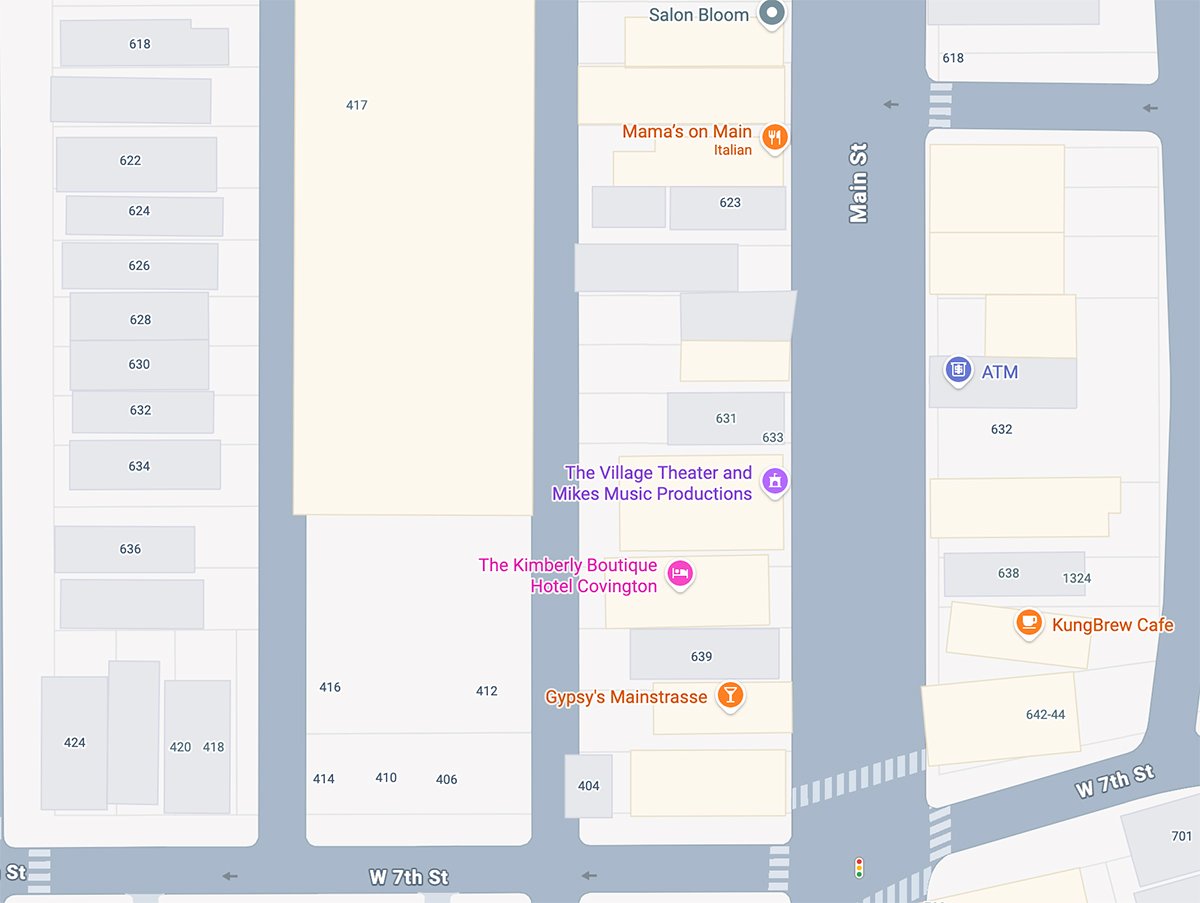
It’s hard to know what type of business the Kimberly is. It only markets its five units on the AirBnB website, something the city defines in its codes as a “short-term hosting platform.” In Google Maps, the property appears as a “boutique hotel.”
Owner Kim Patton says The Kimberly is a bed and breakfast, yet it serves no meals and it has five guest units, not “six or more guest rooms or suites for occupancy,” as the code requires for bed and breakfasts.
City officials consider The Kimberly to be a bed and breakfast.
“I have been able to confirm the presence of an approved zoning permit which changed the use from that of a hotel to a bed and breakfast,” said Covington Director of External Affairs and Senior Counsel Sebastian Torres in response to questions about the property. “At this time, based on what we have found, it still falls under that definition.”
There are 27 licensed short-term rentals in MainStrasse, most of them non-host occupied according to data provided by the city in January. The Kimberly isn’t included in that group because it operates as bed and breakfast.
But is The Kimberly a bed and breakfast?
The Pattons rehabilitated 637 Main St. and got a license to operate a short-term rental. They called their business “The Kimberly.” Two years later, after Covington revamped its short-term rental law, the Pattons applied to change the license to a hotel license; six months later, they again changed it to a bed and breakfast inn.
“My wife and I did the rehab,” Kim Patton told the NKyTribune. “We got historic tax credits for that, which was key to making it work.”
The building was badly deteriorated when the Pattons bought it. “It was unoccupiable. It was a shell and a mess,” he said.
Patton said that they only market the property’s five units on the AirBnB website. “We’re a small business from that standpoint and the platform’s still good.” Patton explained. “It handles all the taxes and insurance and vetting on guests.”
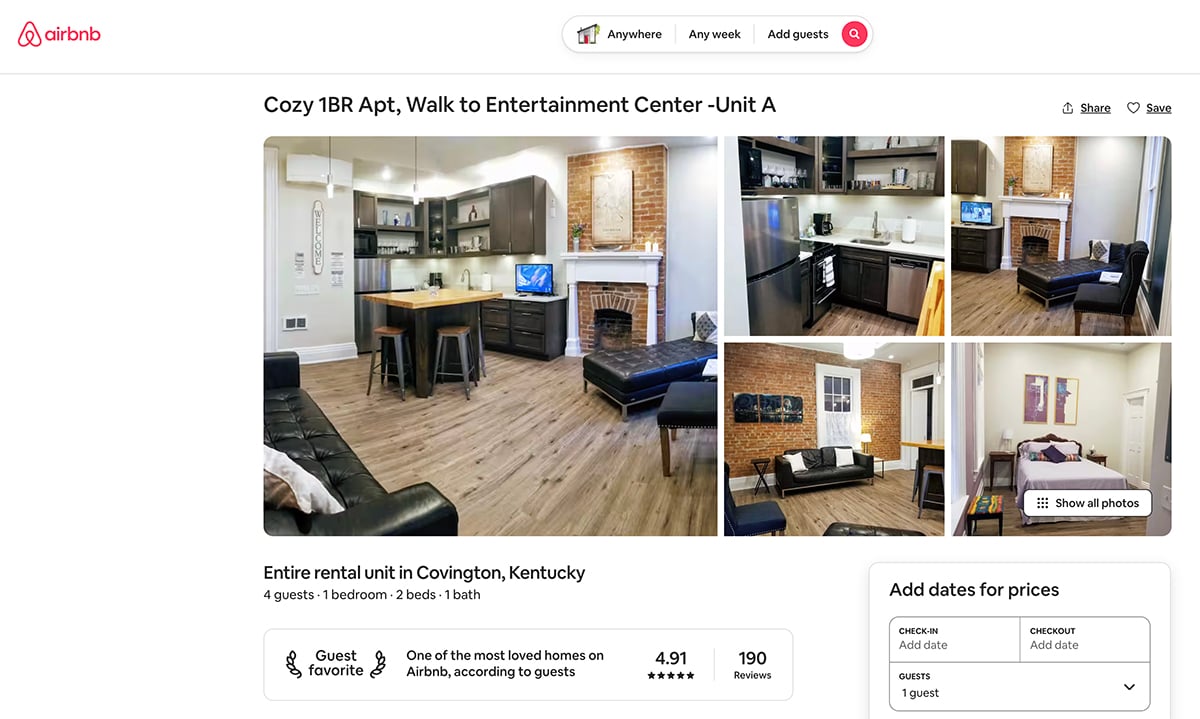
Though the Pattons originally opened The Kimberly as a short-term rental and transitioned, on paper, into a bed and breakfast, little changed in how they conduct their business. “They’re very, very similar,” Patton said.
The Kimberly’s AirBnB listings detail amenities and services offered with the units: free street parking, washers and dryers, full kitchens and self-check-in. Notably missing: breakfasts. And, listings describe The Kimberly as “One of the most loved homes on AirBnB, according to guests.”
Despite the disconnect between the ways Covington’s law defines short-term rentals and bed and breakfast inns, Patton maintains that The Kimberly is a bed and breakfast inn.
As for removing five units of affordable housing from Covington’s inventory of available homes for longer-term residents, Patton doesn’t think converting the former affordable housing into a short-term rental business impacted the city’s housing supply.
“I didn’t evict anybody,” Patton said. “It needed a complete rehab. I didn’t throw anybody out in the process.”
Covington officials wouldn’t speculate on the discrepancies in how The Kimberly is licensed versus what type of business it actually is. Torres repeatedly pointed to the property’s current zoning as a bed and breakfast inn.
The Kimberly’s situation underscores the need for cities like Covington to retain the power to regulate short-term rentals. Though Covington’s short-term rental law isn’t perfect and there may be room for tweaks to other parts of its neighborhood development code with regard to how bed and breakfast inns are regulated. The current situation is much better than the alternative.
“I would say that that is up to each community to decide,” Reddy said. “If there is a community that is struggling with housing and balancing bringing businesses into their community and want more visitors and want to do more short-term rentals, that’s that community’s right to do that.”
See the first short-term rental story here.