

















Shorter days and longer nights may feel cozy, but winter’s reduced daylight can quietly disrupt healthy sleep patterns.
Exposure to natural light helps regulate the body’s circadian rhythm — the internal clock that signals when to feel alert and when to wind down. With fewer daylight hours, that rhythm can shift, affecting melatonin production and making it harder to fall asleep or stay asleep. Add colder temperatures, reduced outdoor activity and, for some, Seasonal Affective Disorder (SAD), and winter can become a season of restless nights.
Poor sleep is more than an inconvenience. It has measurable effects on physical and mental health.
Why We Need Sleep
Matthew Walker, neuroscientist and author of Why We Sleep, describes sleep as essential biological maintenance. Sleep, he writes, “restocks the armory of our immune system, helping fight malignancy, preventing infection, and warding off all manner of sickness.”
How Much Sleep Is Enough?
Sleep needs change with age. According to the Centers for Disease Control and Prevention, recommended daily sleep ranges are:
Newborns (0–3 months): 14–17 hours
Infants (4–12 months): 12–16 hours (including naps)
Toddlers (1–2 years): 11–14 hours (including naps)
Preschoolers (3–5 years): 10–13 hours (including naps)
School-age children (6–12 years): 9–12 hours
Teens (13–17 years): 8–10 hours
Adults (18–60 years): 7 or more hours
Adults (61–64 years): 7–9 hours
Adults (65+): 7–8 hours
While individual needs vary slightly, consistently falling short of these ranges can affect both daily performance and long-term health.
Improving Winter Sleep
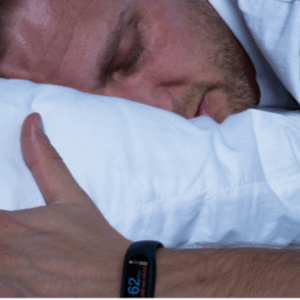
We may not have any control over how much sun shines during the day or frigid temperatures, but there are a few things we can do to improve our nights:
• Access as much light as you can when you first wake up, even if artificial is the only option. Light boxes that mimic the sun are an option.
• Avoid caffeine, alcohol, and/or large meals in the evenings.
• Use a humidifier while you sleep. Running the heater in your home will dry out the air and this can lead to dry throats and sinuses. When this happens we sleep with our mouth open and snore. Snoring can disrupt the sleep cycle.
Winter often brings later sunrises, earlier sunsets and lower energy levels. In response, prioritizing sleep becomes even more important. Quality and quantity both matter. Without adequate rest, focus declines, patience shortens and decision-making suffers.
Treat sleep as intentional preparation for the next day. Establish a routine, seek morning light and remove obstacles that interfere with rest. As Walker writes, “Sleep is the single most effective thing we can do to reset our brain and body health each day.”
In a season when energy can feel in short supply, protecting sleep may be one of the most practical health decisions we make.