











By Steve Flairty
NKyTribune columnist
I have a personal library filled with hundreds of historical books about Kentucky. One of my favorites is Kentucky Women: Their Lives and Times, edited by Melissa McEuen and Thomas Appleton, Jr. In researching a story about a brave African American community activist who lived in Lexington and, for a while, in Covington, I found my most comprehensive coverage of her in this book.
Her story starts with a death that didn’t have to happen. A little over a hundred years ago, Mrs. Gertrude Boulder, an African American citizen living in Lexington, was found unconscious by police on a downtown street. She was charged with drunkenness, arrested, and placed in a jail cell. Reports were that she appeared ill, but no medical attention was sought on her behalf. Boulder died by what was later determined to be a “severe gastrointestinal condition.”
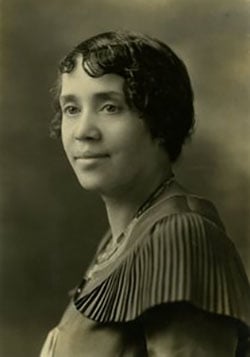
After the victim’s funeral, on April 5, 1925, city officials were presented with a signed petition from a group of black women from the Lexington area regarding the police’s Boulder handling. According to Kentucky Women, the victim was a highly respectable citizen, religious, and a community servant. That, and the petition stated that the signers “wish here to enter our protest, disgust and indignation against such treatment toward our law-abiding citizens.”
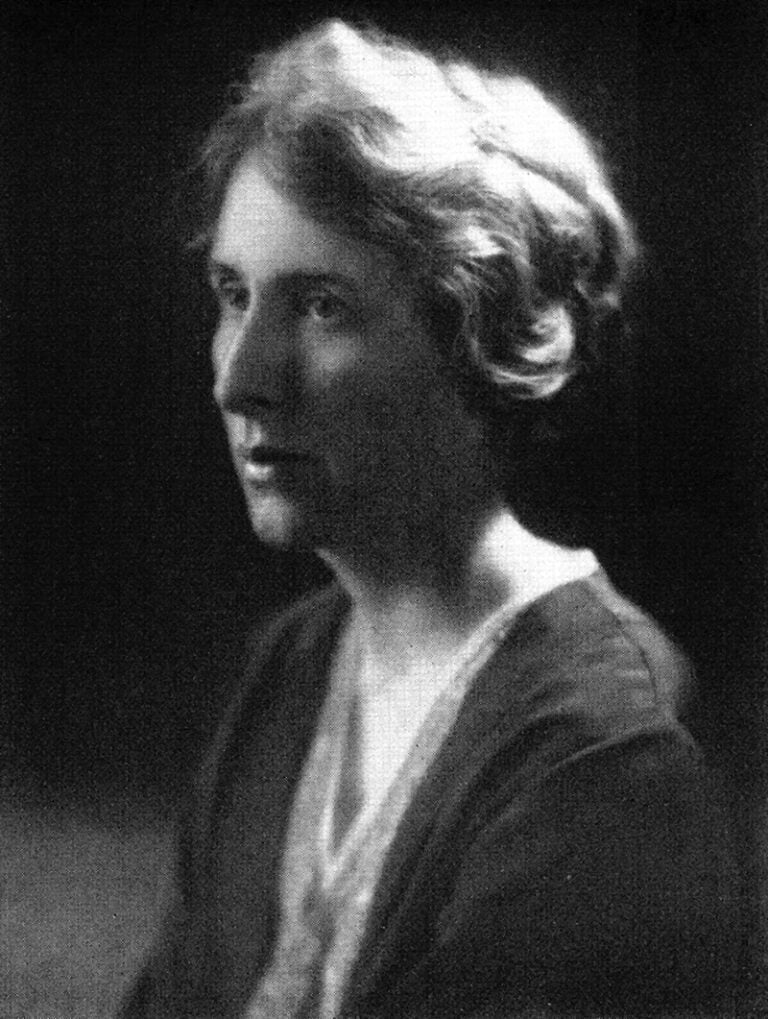
The person who organized the protest was Elizabeth “Lizzie” Fouse. Her proactive gesture was typical of her, a model of leadership. The message was strong and clear, and she suggested a better way to move forward and hopefully quell such malevolent actions from happening again.
Details of the meeting that led to the petition went something like the following. The gathering occurred on Friday night in Lexington at the Wheatley YWCA, only a few hours after Boulder’s funeral. Led by Lizzie Fouse and with a crowd of black women likely a part of those at the funeral, more than 80 signed the petition, and they added the advocacy organization alongside their names. That meant that the number in support of the petition may have been at least 1300. Both Lexington newspapers printed the petition. For sure, their action was hard-hitting and well-covered in print, delivered by solid citizens.
A firm statement difficult to ignore had just been made, led by Mrs. Fouse. There would soon be solid movement on the issue.
Others in the community began to support Fouse and her followers, including whites. Both of Lexington’s white newspapers supported calls for an inquiry into Boulder’s death. The Lexington Leader called for the inquiry to be “thorough and conclusive, this not only in justice to the dead woman, but to the end that such an occurrence may never again be repeated.” The newspaper also criticized the police’s lack of humane treatment for the woman not following laws “regardless of race, sex or station in life.” The Leader supported a strong investigation to get to the facts.
Even the acting police chief and police force members submitted a letter to the board of commissioners also in support of a public investigation of Mrs. Boulder’s death. A public meeting attended by city officials, the press, petitioners, and other black citizens was held on April 9. Mayor Yancey then issued a report, concluding that Mrs. Boulder was of “unimpeachable character” and a community servant. Additionally, a policy change for handling prisoners thought to be ill was made, including calling physicians and treating them at hospitals.
Lizzie Fouse’s passion for minority and women’s rights and her skillful leadership showed fully in the Gertrude Boulder incident. A look at her background might give some clues to her effectiveness.
Fouse was born Elizabeth Beatrice Cooke in Lancaster, Kentucky, in 1875. She was raised in a religious home in Lexington. She would attend Simmons and Eckstein universities but graduated from the University of Cincinnati. Then followed a lifetime of service to her communities, her state, and even the nation:
• In 1893, taught at a segregated high school in Corydon, Indiana, along with teaching penmanship to white students at the Harrison County Institute there.
• Married William Henry Fouse, an educator, in 1898.
• Became a charter member of the Kentucky Association of Colored Women’s Clubs (KACW) in 1903.
• Left teaching in 1904 to focus on doing community activism.
• While living in Covington, Kentucky, in 1908, her husband became the principal at William Grant High School. Lizzie joined the Ladies Union and Ladies Improvement clubs.
• The couple moved to Lexington in 1913, and William became principal at the Russell and Paul Lawrence Dunbar schools. Note that Lizzie often returned to Northern Kentucky to support her work started at the service clubs.
• Was elected president of KACW and started the Scholarship Loan Program to help black students fund college enrollment. She also became active in the national organization (NACW).
• Was active in Lexington’s First Baptist Church and bought them an organ.
• Was a charter member of the Lexington NAACP in 1919 and served as corresponding secretary.
• Was a founder of the Phyllis Wheatley Y.M.C.A. in 1920.
• Served as chair of City Federation of Women’s Clubs in Lexington, which protested the mishandling of Gertrude Boulder and others by police.
• Expanded her activism by serving as a delegate to the 1933 International Congress of Women and represented the U.S. at Woman’s Christian Temperance Union (WCTU) meetings in 1947.
Lizzie Fouse died on October 22, 1952, and is buried at the Cove Haven Cemetery, in Lexington. Her legacy is a well-lived life of service to others.