















By Jennifer Jahn
NKyTribune staff writer
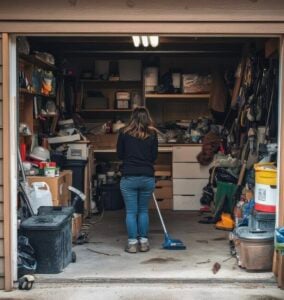
With warmer weather arriving, many households are opening windows, clearing clutter, and tackling spaces that were ignored during winter, including the garage. A garage may seem like a storage room for what doesn’t fit in the closet spaces, but there are a few do’s and don’ts when it comes to garage storage.
The first thing to ask, “Can this item stand up to cold, heat, and humidity?”

The second question, “Is it safe to be stored near a car or water heater?”
Many everyday items can safely be stored in the garage, including:
Kids’ toys
Sporting equipment
Tools
Lawn care equipment
Decor in sealed totes
Items that should NOT be stored in the garage
Paint
Paint should not be stored in the garage. Latex or water-based paint will separate and become unusable. Oil based paint is highly flammable and can be a fire hazard. Leftover paint should be stored in a dry area and out of direct sunlight.
If there is paint in the garage that has been ruined, remember to properly dispose of it. According to Northern Kentucky Household Hazardous Waste (NKYHHW) latex, acrylic, or any other water-based paint can be dried out and placed in your regular trash. All others must have special attention when being discarded. Click here to find a hazardous waste collection near you.
Wine and shelf-stable food
Buying in bulk may be the answer for the household, but the garage is not where you want to store the extras. Fluctuations in temperature will spoil even items that do not need to be refrigerated.
Wine can “cook” or freeze with extreme hot or cold temperatures. Shelf-stable foods, like canned goods, can rust, spoil, or attract pests with temperatures 100 degrees Fahrenheit or more.
Electronics and battery-powered devices
Electronics and batteries suffer from both extreme cold and hot temperatures, along with humidity. Humidity can damage devices by causing internal moisture buildup. The moisture can cause corrosion or damage internal circuitry.
Battery capacity is reduced when stored in high heat while freezing temperatures can cause physical swelling or leakage. Extreme cases can pose a serious fire safety risk to your home.
Both electronics and batteries are considered hazardous waste. Please click here to find a nearby collection.
Propane tanks
It is never safe to store propane tanks in the garage, storage shed, or in any enclosed space. They should always be stored upright in a well-ventilated, shade outdoor area that is away from your home.
Propane gas is heavier than air, which means if the tank is under pressure the gas will leak out and pool at ground level. If near tools, a car, lawn care equipment a spark may occur and ignite the leaked gas.
Keepsakes
Letters, photographs, home movies, anything that is considered a memento should not be subjected to heat, cold, or humidity. However, with these items, unlike the others, if there is no other space they can safely be stored in the garage. Items must be placed in airtight, clear plastic bins and elevated on metal shelving. Adding desiccants (silica gel) to the bin can help, as well.
Spring cleaning the garage is not just about making space — it is about protecting your home, your belongings, and the people who live there.
By taking a little time now to sort through what truly belongs in the garage and what should be stored elsewhere, you can prevent damage, reduce safety risks, and make the space more functional for the months ahead.
As the season of fresh starts continues, a well-organized garage can set the tone for a more efficient and clutter-free home all year long.