








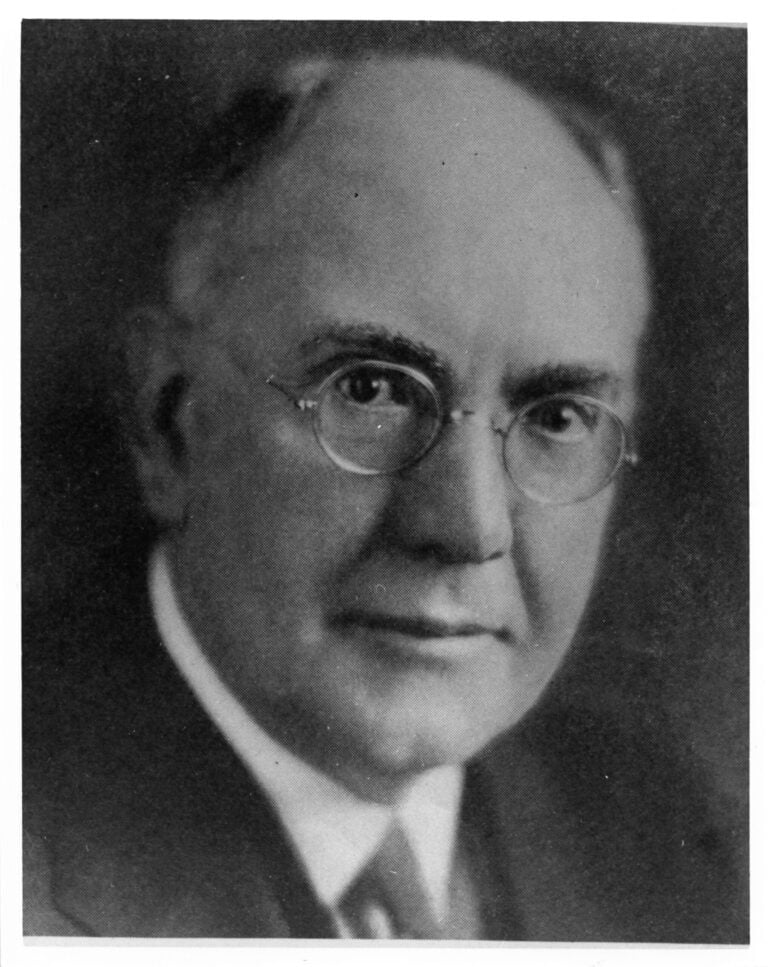



By John Schlipp
Special to NKyTribune
On a quiet stroll through Forsyth Park, beneath the sweeping Spanish moss-covered Live Oak trees and the soft rhythm of Savannah’s fountains, a scene from the 1997 movie adaptation of John Berendt’s book “Midnight in the Garden of Good and Evil” comes alive. Jim Williams, an eccentric Georgia antiques dealer, and author John Kelso (representing the original book author John Berendt), pause to stand before the grand Mercer House surrounded by balmy air thick with charm and Southern secrets.
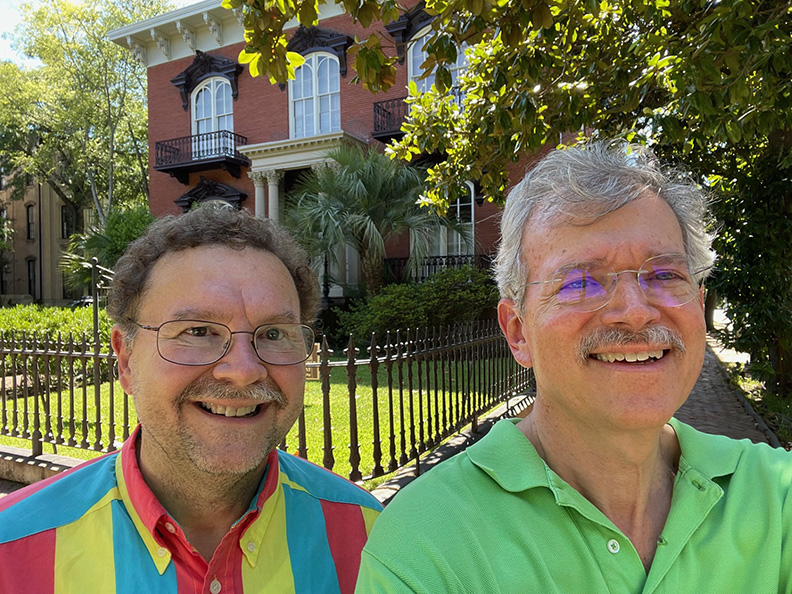
“Built by General Hugh Mercer in 1860,” Williams says, “but he never lived in it. His great-grandson was Johnny Mercer.”
“The songwriter?” Kelso asks.
“Savannah’s own,” Williams replied.
That exchange always struck a chord with me—not just for its glimpse into Savannah’s layered history, but for the mention of a lyricist whose songs shaped the soundtrack of my mother’s life. She adored Johnny Mercer’s radio broadcasts of the 1940s with his witty, hip song lyrics and southern charm. He was the co-founder of Capital Records during World War II, recording his greatest pop hits, such as “Accentuate the Positive,” “Blues in the Night,” and “G.I. Jive.”
In the early years of television, Mercer appeared on music variety programs such as that of Maysville, Kentucky native Rosemary Clooney. Clooney later honored his work with her 1987 Concord tribute album entitled, “Sings the Lyrics of Johnny Mercer.” The album featured songs she often performed during her Four Girls Four tours in the 1980s, which included Helen O’Connell, Rose Marie, and Margaret Whiting, the latter a close professional friend and frequent collaborator of Mercer.
“The Rosemary Clooney Show,” a nationally syndicated television series in the late 1950s, featured Johnny Mercer.

One of my favorite Mercer tunes is “Moon River,” where his lyrics convey the gentle, wistful feel of Savannah. Of all Mercer’s song lyrics, none floated quite like “Moon River.” Mercer wrote his words years after he had left Savannah, but anyone who’s walked along the slow, cool curve of the historic River Street beside the Savannah River can feel its echo there. In truth, Mercer had in mind the smaller, quieter Back River south of the city—later renamed Moon River in honor of his song that made it famous.
“Moon River” was, in many ways, Mercer’s love letter to the South that he grew up in—to the water, the longing, the in-between world of memory and motion. What began as a simple idea about home and the desire to follow a drifting dream soon became one of America’s most enduring movie melodies.
On April 9, 1962, “Moon River” (from the movie “Breakfast at Tiffany’s”) won the Academy Award for Best Original Song. Henry Mancini composed the beautiful waltz melody, and Johnny Mercer the lyrics. The achievement added to lyricist Johnny Mercer’s growing legacy at the Oscars—his third of what would ultimately become four Academy Awards. Over the course of his career, Mercer’s lyrical skill shaped several Hollywood classics, including earlier Oscar winners “On the Atchison, Topeka and the Santa Fe,” performed by Judy Garland, and “In the Cool, Cool of the Evening,” performed by Bing Crosby and Jane Wyman, as well as his later triumph with “Days of Wine and Roses.”
Andy Williams played a pivotal role in bringing “Moon River” to a wider national audience. Both Williams and Henry Mancini released popular recordings of the song, but Williams’ version became especially resonant with television viewers. Williams shares the story in his memoir book entitled “Moon River and Me.” Williams’ early career included WLW radio in Cincinnati, where he performed with his siblings as the Williams Brothers on various morning programs and on the “Boone County Jamboree,” later known as “Midwestern Hayride.”
After launching a successful solo career, Williams became the host of a widely watched NBC television variety show during the 1960s. In 1962 he was invited to perform “Moon River” at the Academy Awards ceremony, where the song was nominated. That same year, following the release of his best‑selling record album “Moon River and Other Great Movie Themes,” Williams adopted the winning Oscar song as the opening theme for his television broadcasts — further cementing its place in American popular culture.
Andy Williams sings “Moon River” on his television show.
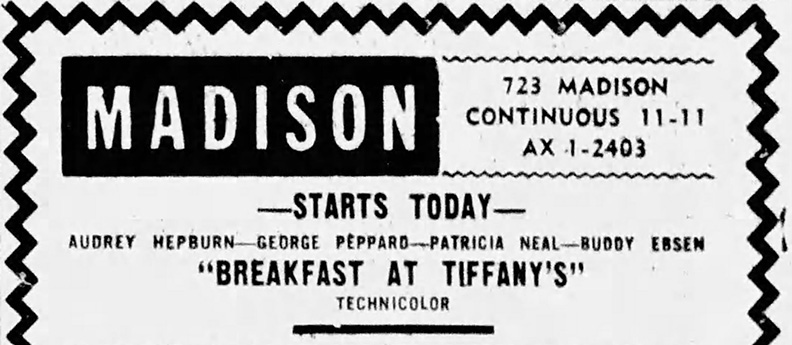
WLW’s “Moon River”
Standing on Burnside Island along Savannah’s Moon River—once known as the Back River—it’s easy to sense how the slow tide and surrounding landscape shaped Johnny Mercer’s early imagination. As a boy spending summers nearby, Mercer absorbed the atmosphere of the island — its rhythms, voices, and emotional contrasts of ease and longing — that would later surface in his songwriting. Today, the former A.S. Varn & Son Oyster Factory operates as the Pin Point Heritage Museum, offering immersive tours that explore the history and culture of the Gullah Geechee community founded by formerly enslaved African Americans in the 1890s.
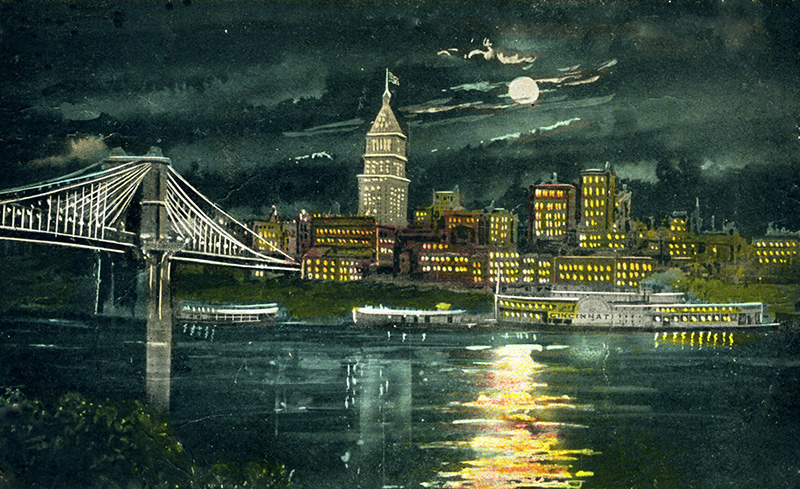
While Savannah shaped the emotional landscape of Mercer’s childhood, he was also highly influenced by radio. Among those sounds was WLW radio—the 500,000‑watt Cincinnati “superstation” of the 1930s and early 1940s, whose nighttime signal reached from the Great Lakes to the Gulf of Mexico.
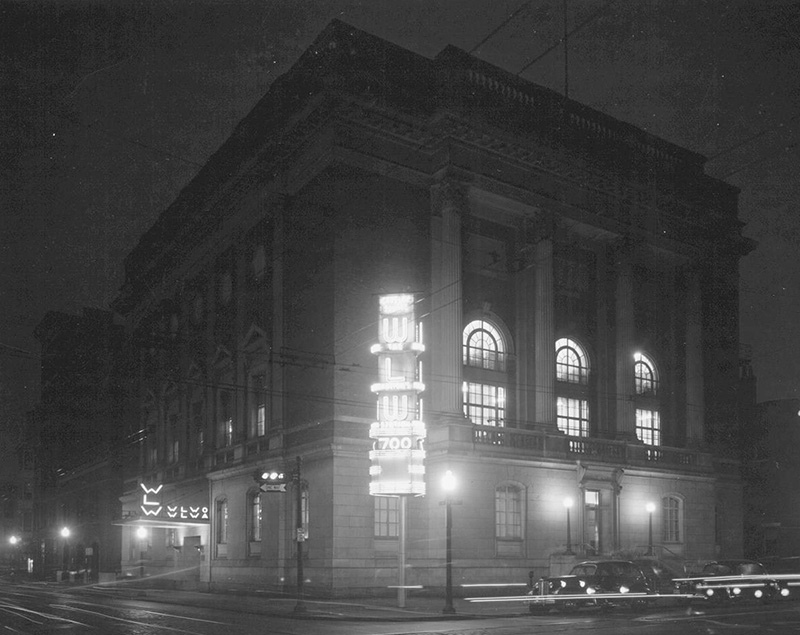
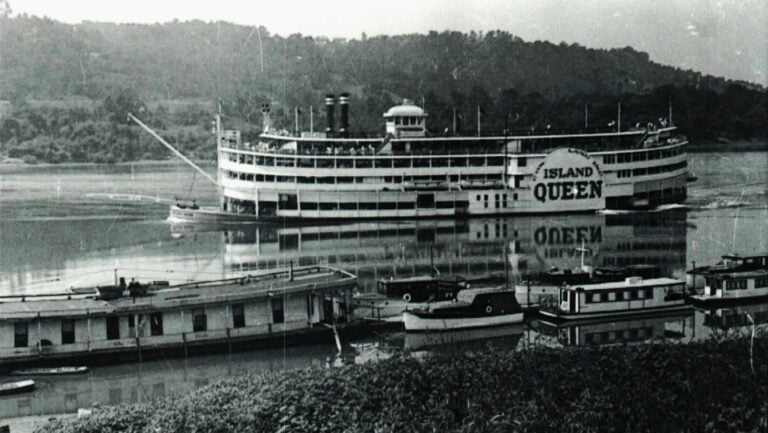
generally starting at about 11:30 PM, the Moon River radio show broadcast live from
this building. (Photo provided)
Growing up, I often heard my grandfather tell stories about WLW’s heyday and the nationally known entertainers who passed through its studios. One program he remembered vividly was WLW Radio’s “Moon River.” Its theme song, projecting a “lazy stream of dreams,” “Moon River” was a late‑night blend of soothing organ music and whispered poetry designed to ease listeners to sleep. Night after night, its dreamy tones drifted into millions of homes across the nation from 1930 through the early 1970s.
Theme song from WLW’s “Moon River” broadcast
Many future stars began their careers on WLW and its “Moon River” broadcast, including singers Doris Day, Rosemary and Betty Clooney, Anita Ellis, Lucille Norman, Ruby Wright, and organist Fats Waller. It is easy to imagine Johnny Mercer — first as a young man in Savannah and later during his early professional years in New York — tuning in to hear the “Nation’s Station” WLW radio as well. For a rising lyricist absorbing every nuance of American popular culture, WLW’s gentle, nocturnal style of musical storytelling would have been impossible to miss.
When Johnny Mercer ultimately titled his 1961 masterpiece “Moon River,” it reflected a convergence of influences—part Savannah salt marsh, part WLW radio—two distant rivers merging into a single, evocative name. Henry Mancini reminded Mercer of WLW’s late-night poetry and music broadcast of the same name, which Mancini described as a program marked by a deep-voiced narrator. As author Gene Lees of “Portrait of Johnny: The Life of John Herndon Mercer” noted, Mercer was careful to claim credit only for his own work and remained uneasy about the overlapping titles. Skeptical of its commercial appeal, Mercer assumed the song would be a forgotten film theme. Instead, “Moon River” won a 1961 Academy Award and became one of the most recorded songs in American music history.
Savannah: Burnside Island and the back river
On Burnside Island, where Mercer spent his boyhood summers, the tidal creeks and the Back River were more than waterways—they were corridors of sound. Across the marshes, work-songs, spirituals, and children’s rhymes drifted with the tide. These were early expressions of the Gullah Geechee, descendants of West and Central Africans enslaved on the low‑country islands, whose traditions emphasized storytelling, improvisation, and communal voice. Among these were well-known Gullah-Geechee spirituals such as “Kumbaya,” and “Michael, Row the Boat Ashore,” songs woven into daily labor and passed across the water like living echoes of the island’s culture.
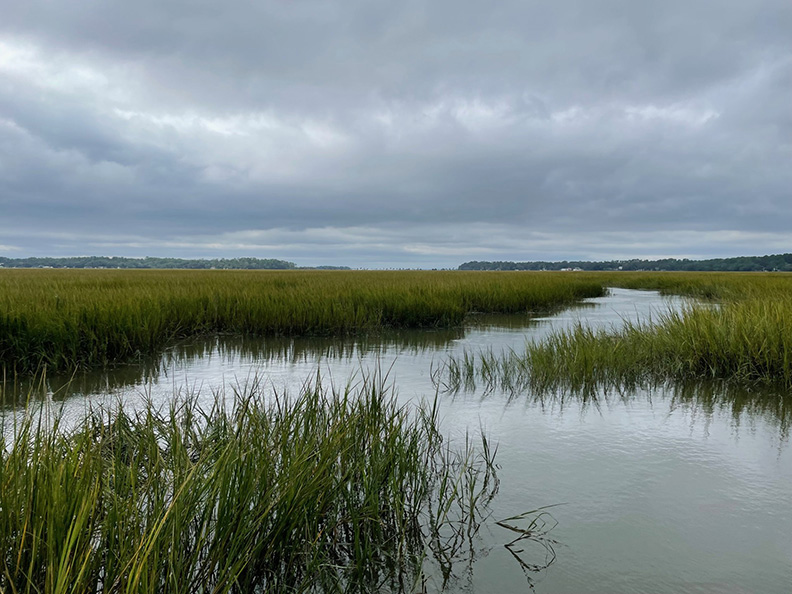
This was music shaped by the landscape itself:
• Percussive rhythms echoing oyster shells, water buckets, and work tools.
• Melodic chants rising and falling like the tide.
• Playful vernaculars rich with humor, imagery, and metaphor.
Mercer didn’t just study these sounds — he absorbed them, growing up within their reach. And these same cultural currents later flowed through other musicians who passed through Cincinnati’s King Records studios—artists like James Brown, the Swan Silvertones, Tiny Bradshaw, and Lonnie Johnson—all touched, directly or indirectly, by the Gullah Geechee-infused musical heritage that shaped the American soundscape.
In fact, when Mercer began singing on New York radio in the early 1930s, his jazzy, blues‑inflected style—combined with his Southern Savannah accent—led some listeners during the radio era to assume he was African American. As noted by Philip Furia in a Library of Congress National Registry 2014 essay, Mercer’s distinctly Black blues feeling and vocal phrasing were so convincing that he was even voted the most popular “colored” singer in Chicago by a group of radio listeners at the time.
The Gullah Geechee singing was music of purpose, not performance—yet it shaped Mercer’s musical genius. His connection to this culture resulted in a distinctive sound. His ability to merge these influences with popular music created a unique style that continues to resonate with today’s audiences, as heard on the soundtrack of “Midnight in the Garden of Good and Evil.”
“My Huckleberry Friend”: A childhood memory rooted in Gullah Geechee culture
The famous phrase “my huckleberry friend” in the song “Moon River” is often linked to Mercer’s berry‑picking afternoons with his cousin by the marshes. But beneath the nostalgia lies another influence: the playful, rhythmic speech patterns characteristic of Gullah Geechee children’s games and rhymes he heard around Savannah.
In 1971 Mercer was interviewed on BBC television by Michael Parkinson. There, Mercer shared the story of how he developed his Huckleberry Friend theme for the song tied to Audrey Hepburn’s character Holly Golightly and her expression of yearning, nostalgia, and wanderlust in the film “Breakfast at Tiffaney’s.” In another interview, published in Max Wilk’s book “They’re Playing Our Song” (1973), Mercer affirmed that he knew “huckleberry friend” was the right lyric from the moment he wrote it. He explained that its unusual, even quirky quality was exactly appealing to him.
Johnny Mercer’s rhythm—soft, lilting, slightly off the expected beat—echoes in “Moon River.” The lyrics drift with a natural, unhurried rhythm, more like spoken reminiscence than a structured pop tune. It’s as if the song breathes the way the marsh breathes: slow, tidal, ebbing and flowing.
“Moon River” is a story of two Moon Rivers—converging in a single American songbook standard. Mercer’s “Moon River” reflects the intersection of 500,000-watt WLW radio’s (the “Nation’s Station”) broadcast blast from Cincinnati and the quiet, salt-marsh rhythms near a Savannah oyster factory.
For more details about the life and career of Johnny Mercer, see the online New Georgia Encyclopedia.
Hear John Schlipp present “Rolling Along a River of Song: How Early 19th-Century Cincinnati and Northern Kentucky Launched American Music to the World,” at the Covington branch of the Kenton County Public Library on Thursday evening, April 23.
John Schlipp is a Career Navigator Librarian at Kenton County Public Library specializing in business resources and intellectual property awareness. Whether you’re inspired by famous inventors or musicians from our region, it is a powerful reminder that every great idea or creative work starts with a bold idea—and the right support. Kenton County Public Library offers stories and solutions for entrepreneurs and small business start-ups. Contact John at john.schlipp@kentonlibrary.org.
Paul A. Tenkotte, PhD is Editor of the “Our Rich History” weekly series and Professor of History at Northern Kentucky University (NKU). To browse more than ten years of past columns, visit: nkytribune.com/our-rich-history. Tenkotte also serves as Director of the ORVILLE Project (Ohio River Valley Innovation Library and Learning Engagement). He can be contacted at tenkottep@nku.edu.