












By Jennifer Jahn
NKyTribune staff writer
Families should be aware of new federal regulations designed to improve child safety in side-impact crashes. The rules will change how car seats are tested, with manufacturers now required to comply by December 2026.
The new standard
The updated rule, known as Federal Motor Vehicle Safety Standard No. 213a, introduces a 30-mph side-impact crash test — often referred to as a T-bone collision. According to the AAA Foundation for Traffic Safety, side-impact crashes account for 28% of all traffic fatalities. These types of crashes are especially dangerous because there is less space and protection between passengers and the point of impact.
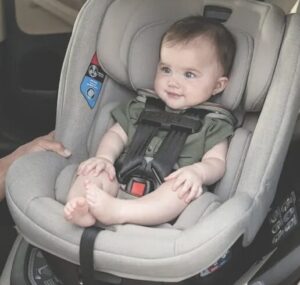
The new standard applies to car seats designed for children weighing 40 pounds or less. It uses specialized crash-test dummies to evaluate how well a car seat limits head and chest movement during a collision.
Proper car seat use already plays a major role in keeping children safe. According to the Kentucky Transportation Cabinet, correctly used car seats reduce infant fatalities by 71%, toddler fatalities by 54%, and the need for hospitalization by 67%.
Time to replace?
Not just yet. These new regulations do not mean parents need to immediately replace their current car seats. As long as a seat has not expired, has not been recalled, and is properly installed, it remains safe to use. Parents should also make sure the seat matches their child’s height and weight requirements.
Some manufacturers are already meeting the new standard. Parents who are curious can check product labels or contact manufacturers directly to confirm whether a seat complies with the updated requirements.
As these changes take effect, newer car seats will include enhanced side-impact protection, such as improved foam and energy-absorbing materials. Updates to weight and height limits, along with forward-facing guidelines, are also expected.
For those who want added peace of mind, many local fire departments, police stations, and health agencies offer free car seat inspections to ensure seats are installed correctly.
For more information on car seat safety, guidelines, and recalls, visit the National Highway Traffic Safety Administration website.
Keeping kids safe
While these new standards will shape the next generation of car seats, the most important step parents can take is making sure their child’s current seat is used correctly every time they travel. A properly installed, age-appropriate car seat remains one of the most effective ways to protect children in a crash.
Taking a few extra minutes to double-check installation or seek help from a local safety professional can make a life-saving difference.