














Adults who grew up in the 1990s are diving back into the pre-smartphone era with a sense of nostalgia. Social media is filled with posts asking, “What were you like?” alongside throwbacks to clothing, entertainment, and snacks. Beyond the fun, one rediscovered trend may offer real benefits for today’s young children: “gentle television.”
What is gentle television?
Dr. Zabina Bhasin, a Los Angeles–based child and adolescent psychiatrist, defines gentle television as programming that offers “steady pacing, gentle transitions, problem-solving, and collaboration.”
Parents can also look for shows with muted colors, minimal background noise, and simple, storylines. These elements create a calmer viewing experience, especially for young children whose brains are still developing.
A look back at ’90s favorites
Many shows that fit the “gentle television” model come straight from the 1990s. Parents looking to make a switch may find familiar titles worth revisiting:
• Little Bear (1995): Often considered a gold standard for calm children’s programming, featuring slow-paced woodland adventures.
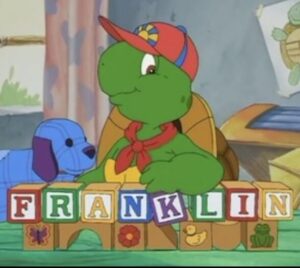
• Franklin (1997): Follows a young turtle learning lessons about friendship, emotions, and everyday life.
• Kipper the Dog (1997): Known for its soft pacing, gentle music, and quiet storytelling.
• Arthur (1996): Centers on school-aged experiences with a focus on empathy and problem-solving.
• Rolie Polie Olie (1998): A gentle, family-centered show with simple storylines and warm themes.
What parents are noticing
Some parents who have intentionally shifted away from today’s fast-paced, highly stimulating programming report noticeable changes.
Hazel Tsukano, a content creator, replaced high-energy shows – filled with rapid scene changes, bright visuals, and loud sounds – with lower-stimulation options for her toddler. She observed more stable behavior, improved balance, and fewer disruptions to sleep.
What the research says
Research supports what some parents are seeing at home. A study published in the Official Journal of the American Academy of Pediatrics observed sixty 4-year-olds who either watched a fast-paced cartoon, an educational cartoon, or spent time drawing for nine minutes.

The findings showed that children who watched the fast-paced cartoon performed significantly worse on executive function tasks than those in the other groups, even when accounting for attention span, age, and prior screen exposure.
Encouraging healthier play
When children watch lower-stimulation shows that reflect a more natural pace of life, they often transition more easily from screen time to active play. Parents report that children are more likely to engage in creative activities, play with others, or entertain themselves independently after watching gentler programming.
While not every trend from the 1990s needs a comeback, gentle television may be one worth revisiting. In a world filled with fast-moving, high-intensity content, these slower, calmer shows offer a simple alternative that supports young children’s development.
For families looking to create a more balanced media environment, taking a step back in time might be a step in the right direction.
Jennifer Jahn is a columnist and reporter for the NKyTribune.