















In April 2026, a 1.2 million square foot distribution center in Ontario, California — used to store paper products for Kimberly Clark — was intentionally set on fire from inside the facility and was destroyed. The warehouse stored paper products for a major consumer goods manufacturer and burned for nearly twelve hours in a six-alarm blaze.
Losses were estimated between $500-$600 million, making it one of the costliest recent U.S. industrial fires not tied to natural disasters. Authorities later charged a warehouse employee with arson.
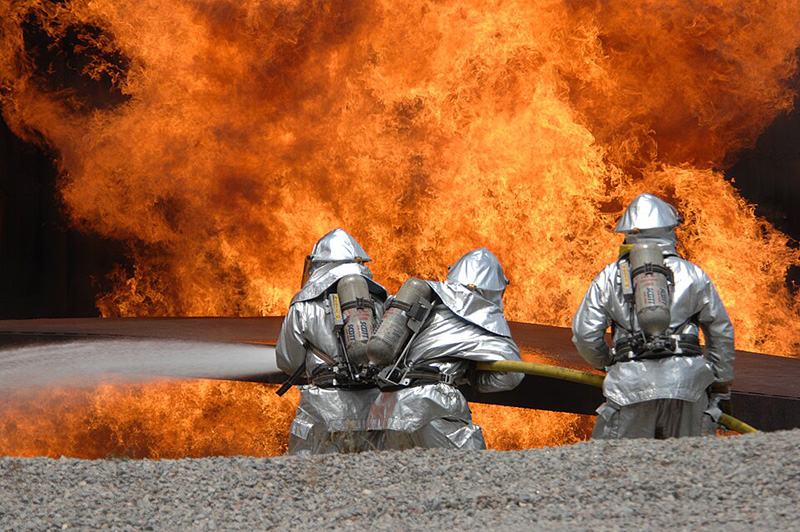
When I first saw this story, I first found it difficult to learn that the physical cause of the loss was fire, but the root cause was human behavior.
I’ve tried to help thousands of businesses prevent catastrophic losses caused by natural disasters and accidental events. But this case forced me into unfamiliar territory: a disaster triggered not by equipment, weather, or bad luck—but by an employee’s grievance and intent to retaliate. From what I know about insurance coverages, deductibles and limits, this loss very likely wasn’t fully insured, but one thing was for certain: the loss of jobs.
What shocked me most wasn’t just the fire itself, but the question it raises for every leader, but rather how do you spot — and stop — an insider threat before it turns into a total loss?
Based on court filings and lawenforcement statements, the employee accused of burning down the warehouse acted not because of an accident or operational failure, but out of anger and resentment related to pay, working conditions, and perceived corporate exploitation.
Federal and state authorities allege that the employee, Chamel Abdulkarim, intentionally set the fire while working inside the warehouse and explicitly tied his actions to frustration over wages and treatment of workers. According to the U.S. Department of Justice, Abdulkarim recorded himself setting multiple fires inside the warehouse, igniting pallets of paper goods, which very quickly overwhelmed the fire suppression system. In the video, he complained that workers were not paid enough to live, stating words to the effect of, “If you’re not going to pay us enough to live, at least pay us enough not to do this.”
Investigators say he later sent text messages boasting about the financial damage he believed he had caused, framing the act as retaliation against corporate interests rather than individuals.
Federal prosecutors describe the act as deliberate arson motivated by grievance, not ideology in a legal sense, and not mental impairment raised at this stage of proceedings. He had lawful access to the building and was working during the overnight shift when the fire began.
Authorities have not publicly alleged that he was about to be terminated or disciplined, but they have emphasized employment-related dissatisfaction as the motivating factor.
So the question is, how can this have been detected and prevented?
For executives, this incident challenges a deeply held assumption that catastrophic losses are primarily triggered by equipment failure, weather, or external crime. In this case, as in an increasing number of government-prosecuted sabotage events, the threat did not come from outside the organization. It came from someone who belonged there.
Employee-driven sabotage is becoming more frequent, more severe, and more emotionally motivated, while detection remains slow and fragmented. Multiple industry and government reports show insider incidents — including sabotage, fraud, and destruction — are rising year over year. Organizations reporting insider incidents increased from 66% in 2019 to roughly 76% by 2024–2025, indicating sustained growth rather than short-term fluctuation.
Employeed-riven sabotage is rarely sudden. Federal investigations consistently show that these incidents are typically preceded by a period of escalating grievance, emotional withdrawal, or fixation on perceived injustice. The individuals involved often feel ignored, disrespected, or powerless. Over time, dissatisfaction transforms into hostility. By the time damage occurs, coworkers and supervisors frequently report that the behavior seems obvious in hindsight.
What makes these threats difficult to manage is that they do not announce themselves through alarms or inspection reports. Behavioral risk accumulates quietly. Employees may voice repeated complaints framed in moral terms, express contempt for leadership, isolate themselves from colleagues, or display a growing willingness to cross boundaries. Minor rule violations, verbal confrontations, or disengagement are often dismissed as routine workplace issues when they are, in fact, indicators of rising emotional volatility.
Traditional safety and security systems we rely on in my profession are not designed to stop someone who has permission to be inside a building and intent to cause harm. Cameras record events; sprinklers buy time; alarms summon responders. None of these systems detect resentment, desperation, or grievance. When intent is present, engineered controls alone are insufficient.
 Keven Moore works in risk management services. He has a bachelor’s degree from the University of Kentucky, a master’s from Eastern Kentucky University and 25-plus years of experience in the safety and insurance profession. He is also an expert witness. He lives in Lexington with his family and works out of both Lexington and Northern Kentucky. Keven can be reached at kmoore@higusa.com
The financial consequences of missing these warning signs extend well beyond property damage. Business interruption, supplychain disruption, reputational harm, regulatory scrutiny, and insurance complications often follow. Insurers and prosecutors alike have begun emphasizing a common theme in post-incident reviews. Many of these events were preventable if behavioral risks had been recognized and addressed earlier.
Prevention does not require turning managers into psychologists. It requires training supervisors to notice patterns of change, empowering them to escalate concerns without stigma, and ensuring that human resources, safety, and operations communicate rather than operate in silos.
It also requires recognizing that contract labor, temporary staff, and third-party workers represent insider risk and must be integrated into the same observation and support frameworks as direct employees.
Most importantly, leadership must accept that safety is not solely mechanical or procedural. It is also psychological. Cultures that encourage early dialogue, respond visibly to concerns, and intervene when behavior shifts from dissatisfaction to hostility are far less likely to experience catastrophic internal losses.
Employee-driven sabotage is not unpredictable, and it is rarely spontaneous. In nearly every case, warning signs were visible — but fragmented, minimized, or ignored.
The Ontario warehouse fire stands as a stark illustration of what can happen when emotional risk goes unrecognized in high-hazard environments. It reinforces a question that senior leaders must ask candidly whether such an event could happen here and whether the organization would recognize the warning signs before it did.
Below is a manager-ready, practical set of behavioral warning signs followed by a clear prevention checklist managers can use in operations, safety, HR, or leadership discussions. The list is written intentionally non-technical, focused on observable behavior, and suitable for frontline supervisors through executives.
Behavioral warning signs managers should not ignore:
• How to use: risk rises when multiple signs cluster or intensify over time (not one bad day).
• Escalating grievance: persistent complaints about pay/fairness/discipline; shifts from problemsolving to punishmentseeking; “us vs. them” framing; fixation on one injustice.
• Emotional volatility: anger/bitter sarcasm; reactions out of proportion; talk of retaliation or “sending a message.”
• Withdrawal: disengages from coworkers, meetings, and normal communication; performance drop; “present but not really there.”
• Boundary testing: ignores procedures; repeats minor violations; contempt for policies/leadership; tests what will be tolerated.
• Fixation on harming the organization: satisfaction at setbacks; jokes/fantasies about damage; views loss as deserved.
• Control/access changes: unusual interest in keys, schedules, layouts, systems; resists supervision; defensive about access.
• Timebased escalation: agitation before evaluations, discipline, layoffs, investigations, shift changes; “finality” language (“won’t matter soon”).
• Highrisk contexts: overnight/lightly supervised shifts; highfuel/highhazard sites; broad access roles; contractors embedded in operations; fatigue/financial stress + isolation.
• Prevention (early recognition, not surveillance): train supervisors to spot patterns and escalate; provide confidential reporting with no stigma or penalty for goodfaith raises; document concerns over time; align HR–Safety–Operations–Risk to avoid silos; apply expectations/reporting to contractors; increase leader presence during tense transitions; handle grievances respectfully and consistently while pairing behavioral awareness with physical safeguards.
Be safe my friends.