







By Paul A. Tenkotte, PhD
NKyTribune Our Rich History editor
Memorial Day in 1951 looked much like the commemorations that had come before it. Communities observed the day with solemn tributes to Americans who had died in the nation’s wars. Parades wound through city streets, families gathered for picnics and baseball games, and crowds flocked to familiar holiday destinations like the Cincinnati Zoo or Cincinnati’s Coney Island Amusement Park.
Yet one difference hung palpably in the air. Since the previous Memorial Day, the Cold War’s ideological struggle between democracy and communism had burst into open conflict. On June 25, 1950, fighting erupted on the Korean Peninsula. For the first time in its history, the United Nations Security Council authorized the use of armed force. Two days later, on June 27th, President Harry S. Truman committed American troops to the defense of South Korea.
Bitter fighting had dominated the latter half of 1950 and the opening months of 1951. Chinese forces had entered the war in support of North Korea, transforming the conflict into a far larger struggle. Seoul, the capital of South Korea, had fallen twice and been retaken twice in brutal succession. By Memorial Day of 1951, the front had hardened into a grinding stalemate along the 38th parallel, the official boundary separating the two Koreas.
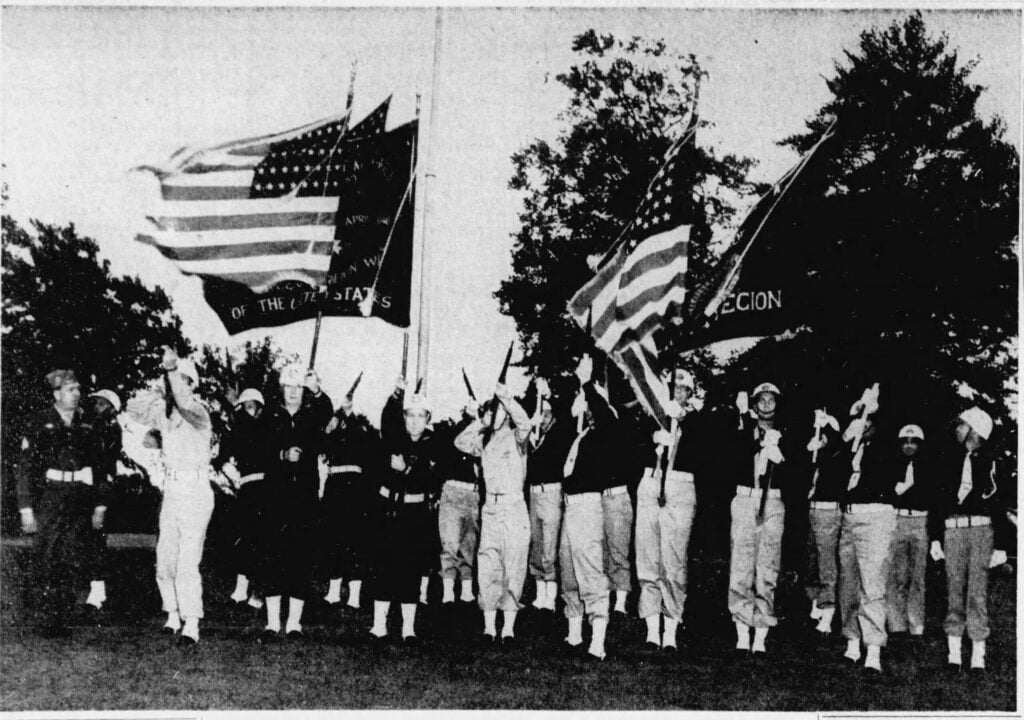
Back home, the families and friends of American service members honored those who had been lost and held close in their hearts the loved ones still fighting overseas. Covington staged what was likely Northern Kentucky’s largest Memorial Day parade. Beginning at Fourth and Greenup Streets, the procession moved west to Fourth and Madison, then turned south along Madison Avenue to Fifteenth Street, ending at Covington’s historic Linden Grove Cemetery.
The Covington parade featured a wide array of civic and veterans’ groups: United States Spanish War Veterans, Gold Star Mothers, Disabled American Veterans, police and fire platoons, the American Legion, the Veterans of Foreign Wars, the Catholic War Veterans, the Boy Scouts, and many others. Across Northern Kentucky, other communities—from Newport to Bellevue-Dayton to Erlanger-Elsmere-Florence and Ludlow-Bromley—held their own commemorations as well (“Memorial Day Observed with Five Parades: Heroes of Current Conflict Honored in Ceremonies,” “Kentucky Post,” May 30, 1951, pp. 1-2).
The tensions underlying the Cold War were not just visible — they were alarming. Only six years had passed since World War II ended with the detonation of two atomic bombs, and the Korean War was already raging. Jacob Swope, state commander of the American Legion and keynote speaker at Newport’s Memorial Day ceremonies at historic Evergreen Cemetery in Southgate, Kentucky, captured that anxiety as clearly as anyone.
“Today, as our nation faces the gravest crisis in all its history, we find a nation or better still the leaders of that nation [Soviet Union] who, if they were able, would destroy our way of life. They would destroy the very nation that came to their aid with the necessary implements of war to beat back a powerful enemy that would have destroyed them a few years ago” (“War Threats Outlined in Holiday Talks,” “Kentucky Post,” May 31, 1951, p. 1.)
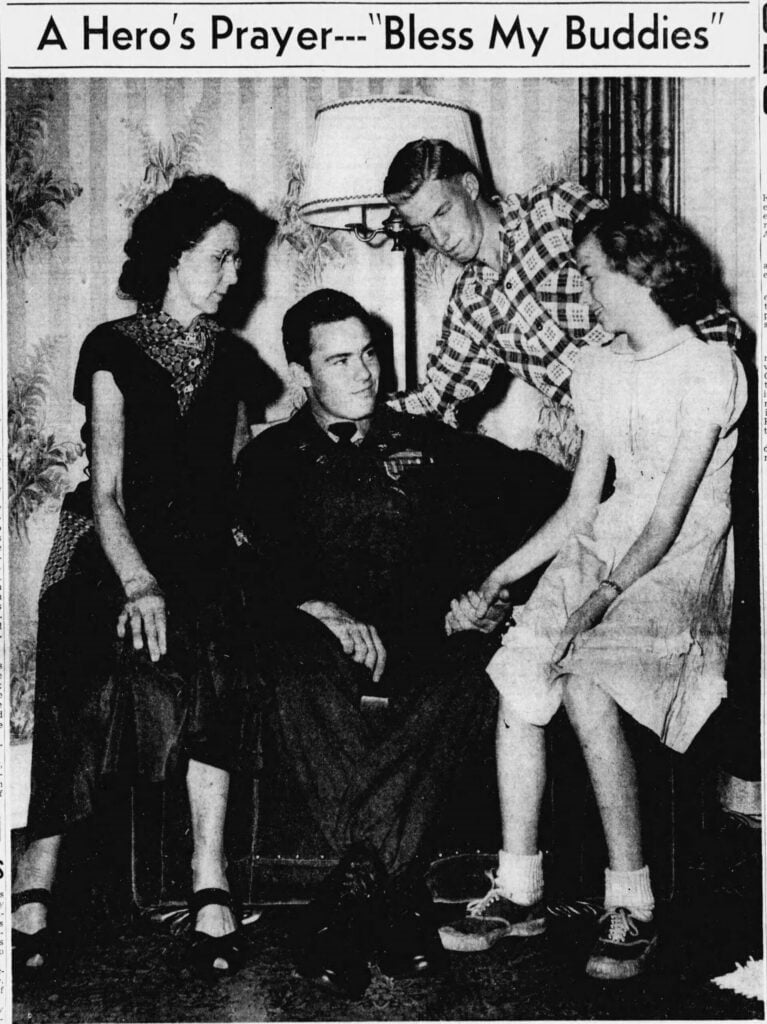
In Newport, 20-year-old Private First Class (PFC) Robert Scott, “a veteran and hero of nearly 11 months of bitter combat duty in Korea,” joined his mother, sister, and brother to commemorate Memorial Day. The winner of both the Bronze Star and the Purple Heart, Robert admitted that his thoughts were totally consumed with his “kid buddies” in Korea, still bravely fighting the conflict. His prayer was to “Bless my buddies” (“A Hero’s Prayer—’Bless My Buddies,” “Kentucky Post,” May 30, 1951, p. 1).
In my own family, relatives served with courage. My great uncle-in-law, PFC Jesse Weidner Jr. of Miamisburg, Ohio — 2nd Infantry Division, 23rd Infantry Regiment — was killed on July 24, 1951, just months after Memorial Day. He was only 22.
As the Cold War stretched on and tensions deepened, Memorial Day returned year after year with growing sorrow. More American service members lost in distant conflicts were added to the solemn roll of those we honor on that day.
Paul A. Tenkotte, PhD is Editor of the “Our Rich History” weekly series and Professor of History at Northern Kentucky University (NKU). To browse more than ten years of past columns, see: https://nkytribune.com/category/living/our-rich-history/. Tenkotte also serves as Director of the ORVILLE Project (Ohio River Valley Innovation Library and Learning Engagement). For more information see https://orvillelearning.org/. He can be contacted at tenkottep@nku.edu.