
















By Jennifer Jahn
NKyTribune staff writer
Before jumping into the pool this summer, take time to review water safety with your family. A few simple precautions and constant vigilance can help reduce the risk of drowning and other water-related accidents.

Pool Safely: Simple Steps to Save Lives was launched by the U.S. Consumer Product Safety Commission (CPSC) to reduce childhood drownings, submersion injuries, and entrapments. The campaign encourages families to follow seven key safety practices when visiting public or residential pools and spas:
• Supervise Children – Never leave children unattended in or around water. A designated “water watcher” should remain focused and avoid distractions such as phones, books, or conversations.
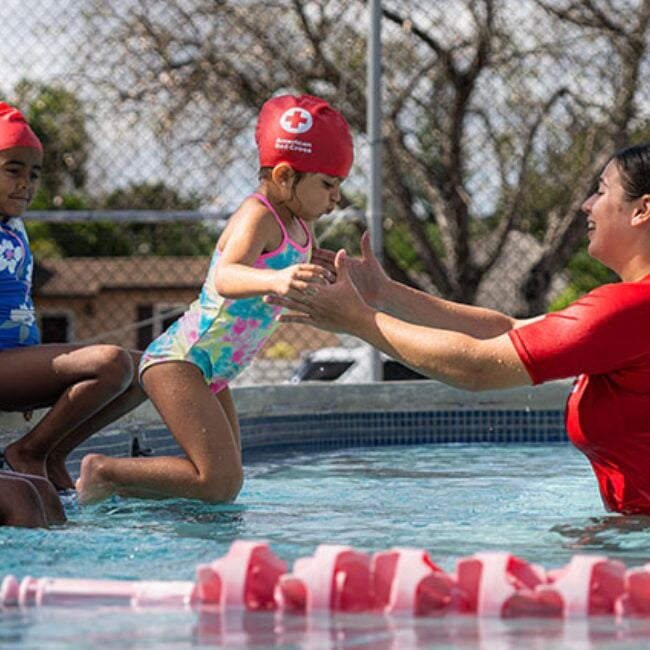
• Learn to Swim – Teach children basic swimming and water-survival skills as early as possible.
• Know Your Drains – Show children where pool drains are located and teach them to stay away from them.
• Ensure Compliance – Verify that pools and spas have compliant drain covers as required by the Virginia Graeme Baker Pool and Spa Safety Act.
• Install Safety Devices – Use barriers, safety covers, and door alarms to help prevent unsupervised access to pools.
• Get Certified – Complete a certified CPR course for both adults and children. Classes are available in person and online.

• Take the Pledge – Review and commit to the Pool Safely pledge to reinforce safe water habits.
Families should also be aware of the rules and regulations governing public pools. Kentucky regulations require the following at all regulated facilities, including community pools, country clubs, apartment complexes, and hotel pools:
• No Solo Swimming – Swimming alone is prohibited, whether or not a lifeguard is on duty.
• No Unsupervised Minors – Children ages 17 and younger may not enter a public pool area unless accompanied by a responsible person who is at least 17 years old.
Local families have several opportunities to build water safety skills before heading to the pool.
Many community organizations, recreation centers, and swim schools throughout Northern Kentucky offer swimming lessons for children and adults, while local hospitals, fire departments, and organizations such as the American Red Cross regularly host CPR certification courses. Parents are encouraged to explore these resources and take advantage of programs designed to help families stay safe around water.
As temperatures rise and families head to the water for recreation, safety should remain the top priority. Reviewing pool rules, teaching water safety skills, and maintaining active supervision can help prevent tragedies and ensure that everyone enjoys a fun and safe summer season. By taking advantage of local swimming and CPR programs, families can be better prepared to make lasting summer memories while staying safe around the water.