








By Paul A. Tenkotte, PhD
Special to NKyTribune
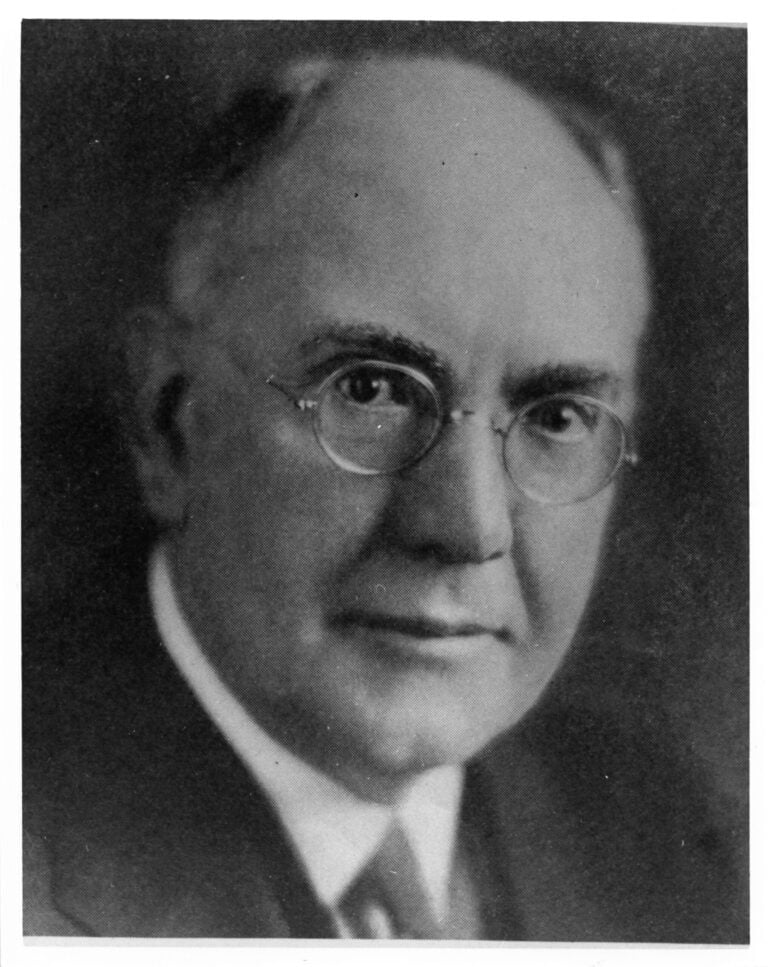
I have to admit it. I feel sorry for Brent Spence. The dedicated public servant, a US Congressman for 32 years (1931–1963), did more for the good of Northern Kentucky than any other politician on record. And the poor soul has a “functionally obsolete” bridge named for him, prompting who-knows-how-many people to inadvertently curse, using his name each and every day of the year. It’s time to set the record straight.
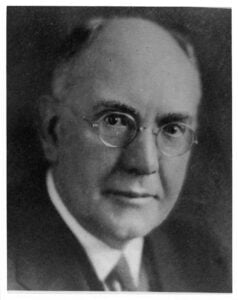
Born in December 1874, Brent Spence was the great-grandson of Washington Berry and Alice Thornton Taylor, sister of the founder of Newport, Kentucky, James Taylor Jr. Further, Spence was the grandson of James Berry, founder of Dayton, Kentucky, and the nephew of Albert Berry, founder of Bellevue, Kentucky, mayor of Newport, and a US Representative (1893–1901).
Brent Spence graduated from the Law School of the University of Cincinnati in 1895 and joined the law firm of his uncle Albert Berry. In 1930, during the Great Depression, he was elected to the first of 16 consecutive terms to the US House of Representatives. A stanch Democrat, he was a New Dealer during the Great Depression and World War II, that is, a supporter of Franklin D. Roosevelt (president, 1933–1945).
Brent Spence played a major role in the post-World War II world as Chairman of the US House’s Committee on Banking and Currency. He was a delegate at the Bretton Woods Conference, which set the course for the economic rebuilding of the war-torn world. The Bretton Woods Agreement established the IMF (International Monetary Fund) and the IBRD (International Bank for Reconstruction and Development, now part of the World Bank). It also based the stability of world currency on the US dollar, which was then tied to gold

Regionally, Brent Spence used his influence to gain important projects for Northern Kentucky, including the Great Cincinnati Airport (now, the Cincinnati & Northern Kentucky International Airport), the Internal Revenue Service Center in Covington, public housing projects, and floodwalls for Covington, Maysville, and Newport.
Spence died in September 1967, aged 92. He is buried in Evergreen Cemetery in Southgate, Kentucky.
To learn more about Brent Spence, join historian Karl Lietzenmayer for a free presentation on Saturday, July 25, at 1 p.m. The program is part of the Brent Spence Days celebration and is sponsored by St. John’s Congregational Church, located at 1235 Highway Avenue in Covington (Botany Hills neighborhood of old West Covington). Parking is available behind the church. The event is free and open to the public, and refreshments will be served following the presentation.
Paul A. Tenkotte, PhD is editor of the “Our Rich History” weekly series and Professor of History at Northern Kentucky University (NKU). To browse more than ten years of past columns, click here. Tenkotte also serves as Director of the ORVILLE Project (Ohio River Valley Innovation Library and Learning Engagement). For more information see https://orvillelearning.org/. He can be contacted at tenkottep@nku.edu.