














This is the third in a series of stories on new laws in Kentucky.
By Tom Latek
Kentucky Today
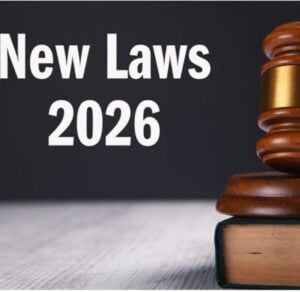
The majority of the 190 bills enacted by the 2026 General Assembly took effect on Wednesday, as Kentucky’s constitution specifies that new laws take effect 90 days after the legislature adjourns, which was April 15.
Exceptions include those with special effective dates or have emergency clauses that make them effective immediately upon becoming law.
The new laws include:
Gaming – House Bill 904, among its many provisions, increases the age to participate in sports wagering from 18 to 21 and bans anyone on the attorney general’s child support arrearage list from betting on online platforms. The bill also forbids negative outcome bets – also known as “under” bets – on college athletes who play on in-state teams.
Grooming – House Bill 4 criminalizes efforts to manipulate a minor into sexual contact with an adult, a practice known as “grooming.”
Impaired Driving – Under Senate Bill 66, an impaired driving suspect who refuses a blood test will have their driver’s license suspended at the time of arraignment. If the person is convicted, their license will be subsequently suspended by the Transportation Cabinet. It also requires the cabinet to maintain records of moving traffic convictions for 10 years and adds clonazepam, cyclobenzaprine and fentanyl to the list of drugs that, when detected in a driver’s blood, could lead to an impaired driving conviction.
Impeding a First Responder – Senate Bill 104 seeks to prevent interference or harassment of first responders. It creates a 25-foot safe zone around police, firefighters and others while they are performing their official duties. Individuals who remain in the zone could face criminal charges if they ignore an initial warning to move back and intend to impede, threaten or harass a first responder.
Kentucky-Grown Agricultural Products – Senate Bill 5 makes it easier for Kentucky schools to purchase locally grown food for student meals. It lifts some procurement requirements and better connects students with the agricultural economy.
License Plate Readers – House Bill 58 limits the use of license plate readers largely to public safety purposes and conducting criminal investigations. The Transportation Cabinet can also use readers for toll and revenue collection and enforcement needs. also will require data captured by automatic license plate readers to be deleted after 90 days, with limited exceptions for criminal investigations and other needs.