













By Hunter Hardin
University of Kentucky
As the new school year approaches, your checklist probably includes paperwork, school supplies and new clothes. Planning your child’s diabetes care at school is another important thing to add to that list. Your diabetes care team is fully prepared to support you, whether your child is heading back to school with a new diagnosis or resuming their routine from last year.
Diabetes Medical Management Plan (DMMP)
Diabetes Medical Management Plan is a document filled out by your child’s diabetes provider. It outlines your child’s insulin doses and timing, blood glucose monitoring, diabetes technology used, and how to treat high and low blood glucose levels. This document can be incorporated into your child’s 504 Plan or IEP and distributed to all necessary school staff members.
Section 504 plan
Section 504 of the Rehabilitation Act ensures accommodations for your child to manage diabetes safely at school. The first step in starting the 504 Plan process is to reach out to your child’s school 504 Coordinator with a formal written request. This role may be filled by the principal, a guidance counselor or a teacher. Reaching out early in the process helps, as it can take time for scheduling and staff training. While the DMMP includes provider orders for diabetes management, the 504 Plan allows reasonable accommodation customized to each student and school.
What are reasonable accommodations?
Common accommodations include unlimited access to water and bathroom breaks, especially in instances of needing to treat high blood glucose; breaks to check and test blood glucose during testing; student access to diabetes supplies; and assigned school staff to provide care on field trips and any school-related activities. This ensures students are able to participate fully while being safe without exclusion.
Packing diabetes supplies
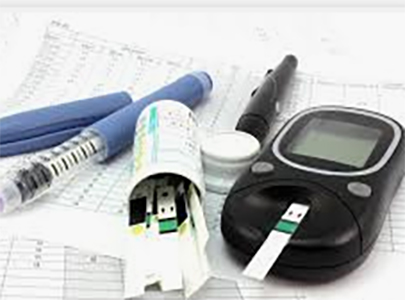
Parents and guardians are responsible for supplying the school with the necessary items for daily diabetes care. Supplies may include blood glucose testing supplies, insulin, extra pump supplies, low blood glucose treatment as well as a glucagon emergency kit, and emergency phone numbers of the parent and diabetes care team.
Who is responsible for training school staff?
Diabetes care training is the responsibility of the school, however, there are also great resources available so anyone can be trained: The ADA’s Safe At School Campaign, the University of Kentucky’s 2026-2027 Diabetes in Kentucky Schools Training is available for free on CE Central. These are great options for diabetes care training resources.
Planning for the school year is stressful enough; reach out to your diabetes care team to get the support you need to set your child up for a successful school year.
Hunter Hardin, M.S., is an apprentice diabetes educator for University of Kentucky HealthCare’s Barnstable Brown Diabetes Center.