










Since the Industrial Revolution, humans have been producing more carbon emissions by burning coal, oil and gas to produce energy than the planet can naturally consume. Science tells us that this trend is not sustainable without dire consequences.
The longer we wait to address the problem, the more difficult the challenge becomes.
The question is, what can we do to reverse this trend without doing harm to our economy?

Fortunately, the free market offers us a powerful tool to combat this problem. The laws of supply and demand tell us that when the price of a commodity (such as gas, coal, or oil) rises, less of it will be demanded. If we charge a fee every time coal, oil, and gas is pulled from the ground, people and corporations will be incentivized to use less of that commodity and this will drive innovation for alternatives. Focusing government policy on reducing emissions instead of using mandates and regulations will allow energy providers, businesses and households the opportunity to make their own decisions on the best technologies and solutions for them.
The monies collected by this fee would be pooled together and evenly distributed to every U.S. citizen.
Unlike a tax which the government spends, the American consumer would receive money whenever someone pulls coal, oil or gas out of the ground. Over time, this market mechanism will not only reduce carbon emissions it will encourage the development of 21st Century alternative energy sources. And putting the money into people’s pockets will allow them to spend it as the wish. What can be more American than that?
The Business Roundtable, a major trade organization of CEO’s, endorses curbing emissions through a “market-based mechanism.”
Over 3,500 economists across the nation, including former Federal Reserve Chairs, call a carbon fee the “most cost-effective lever to reduce emissions.” While a coalition of 20 prominent faith organizations call carbon pricing a “powerful tool.”
It is important that we contact our federal elected officials, Senator McConnell, Senator Paul and Representative Massie, to encourage them to institute this type of economic reform in this upcoming session of Congress. Let them know you support market-based solutions to reduce carbon-based emissions!
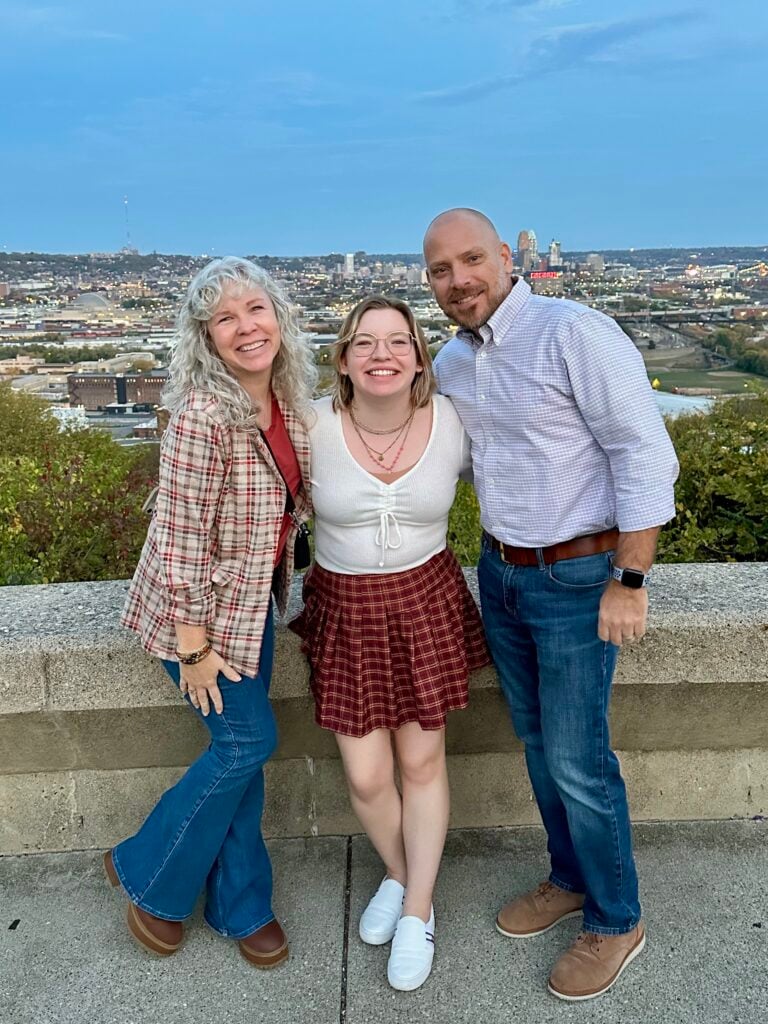
Teresa Werner of Villa Hills is a member of the Citizens’ Climate Lobby, a nonpartisan, nonprofit advocacy group with 150,000 members across the U.S. and local chapters in NKY, Lexington, Louisville, Western Kentucky, and Cincinnati.