











Political polarization has become an unavoidable part of modern life, and increasingly, it is spilling into the workplace. Politics has a way of creating strong opinions — like office coffee. Everyone has a preferred blend, and no one understands how others can possibly drink the ‘wrong’ one.
Lawsuits involving workplace political discussions and bullying typically arise when political expression crosses into harassment, hostile work environment claims, retaliation, or violations of employer policies. Recent legal commentary shows employers are increasingly facing disputes as political speech becomes more polarized.
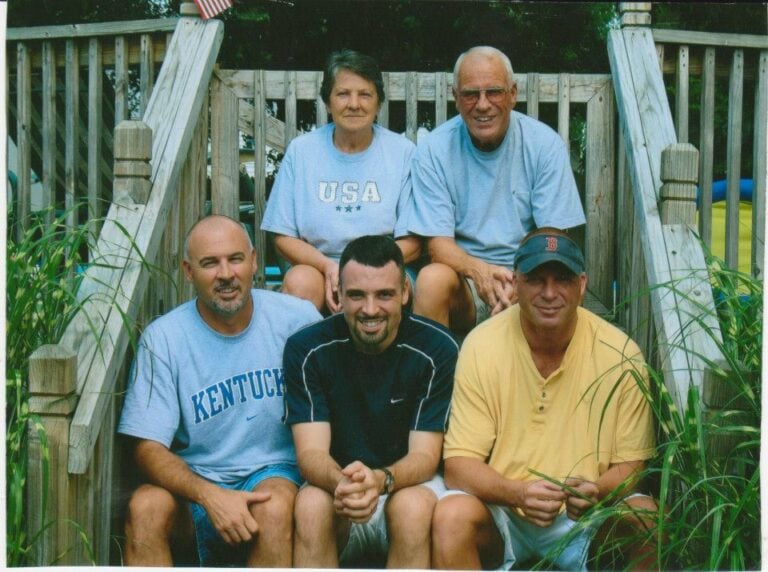
 Keven Moore works in risk management services. He has a bachelor’s degree from the University of Kentucky, a master’s from Eastern Kentucky University and 25-plus years of experience in the safety and insurance profession. He is also an expert witness. He lives in Lexington with his family and works out of both Lexington and Northern Kentucky. Keven can be reached at kmoore@higusa.com
I love a healthy political debate and rarely back down from one either. I mean, I’ll debate anyone, anywhere — at a ballgame, parking lots, grocery stores — if the produce section had a podium, I’d use it. But I am always willing to disagree and will always try to find common ground when the other person is receptive.
However, when it comes to work, I follow the rule to “Never discuss politics in polite company.” Metaphorically, work is where you sleep during the daytime, so don’t pollute those waters, and we all should remain professional. The underlying idea is that these topics are deeply personal and emotional, and bringing them up in casual work setting, breakroom, or hallway can lead to heated arguments, discomfort, and damaged work relationships, and instead we should all opt to value our fellow co-workers’ working relationships.
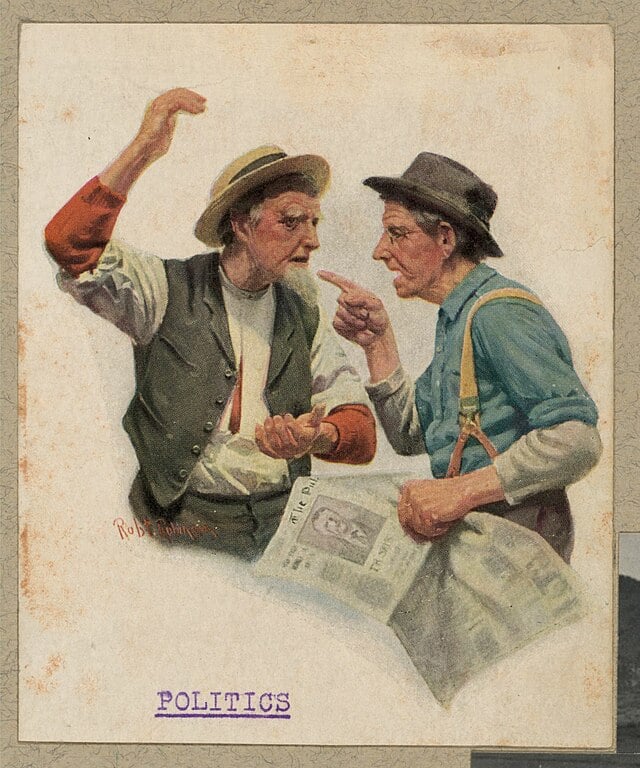
Employees bring their beliefs, frustrations, and online debates to work — sometimes resulting in tension, discomfort, or outright hostility. While diverse viewpoints are healthy, behavior that crosses into bullying, namecalling, or intimidation can quickly turn political disagreements into workplace misconduct. If your coworker didn’t ask for your political views while they’re microwaving leftover spaghetti, that’s your cue to stand down, even if you were engaged in a conversation with somebody who agrees with you.
As election seasons intensify discussions, employers must stay proactive in maintaining professionalism and keeping the office from turning into its own cable news panel, to protect their office from disruptive or demeaning behavior. Nobody wants to be trapped in a surprise episode of “Shouting Heads Live!” before they’ve had their second cup of coffee.
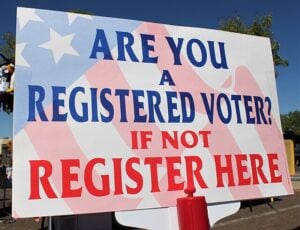
As election seasons intensify discussions, employers must remain proactive in maintaining professionalism and preventing the office from turning into its own cablenews panel.
When political speech becomes a workplace issue
Many employees mistakenly believe the First Amendment protects their political expression at work, but those rights apply only to government employers. Private organizations can set expectations around political speech just as they regulate discriminatory or disruptive conduct. Problems arise when casual discussions shift into mockery, pointed insults, labeling, aggressive behavior, or offensive comments.
Even when the subject is purely political, such conduct can still create a hostile work environment—especially when comments touch on protected characteristics like religion or national origin, or when the behavior becomes persistent enough to affect someone’s ability to perform their job. Maintaining professionalism is essential to preventing political conversations from escalating into serious workplace concerns.
When political arguments or discussions become targeted, repeated, or intimidating, they can be treated as bullying or harassment under workplace policies.
When a coworker uses hateful or demeaning labels or slurs like “Deplorable,” “Nazi,” “Gestapo,” “Fascist,” “Communist,” “Brain-Washed Cult Members,” “Baby Murderer” because of your political views, it stops being a “political discussion” and starts looking like harassment under most workplace policies. I’m sure there are plenty more names from both sides, but I don’t have all day to try to list them.
The fact is, once the conversation starts sounding like the world’s angriest history exam, it’s time for somebody to tap out. Even though political affiliation isn’t a federally protected category, employers still have a responsibility to maintain a workplace free from bullying, intimidation, and hostile behavior.
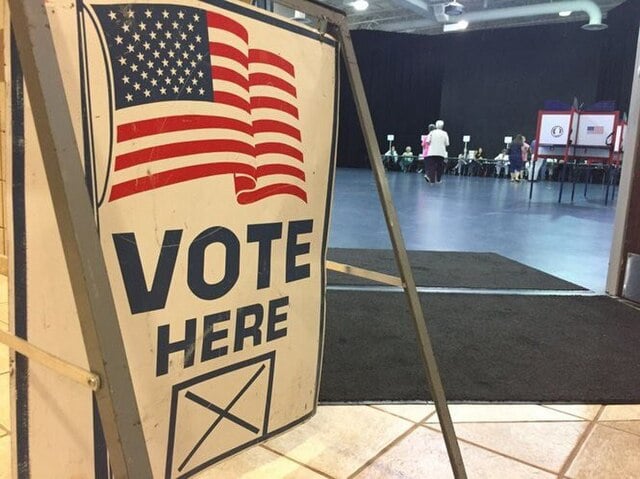
When a manager shares political views with employees who report to them, legal risks increase dramatically. Even noncoercive statements can create a perception of pressure—especially if employment decisions follow. Employees may feel silenced or retaliated against for disagreeing. Nobody wants to wonder whether their performance review hinges on how many yard signs they walked past on their way to their bosses office.
Such speech may open the door to claims of discrimination, retaliation, or hostile work environment, particularly if it touches on protected characteristics. Managers are held to a higher standard because their words are presumed to represent the company.
Another major risk is inconsistent enforcement. If one viewpoint is restricted while another is ignored, the organization risks claims of favoritism or retaliation. Employers must apply expectations consistently and understand the limits of NLRA protections, which allow employees to discuss workplace conditions — sometimes through a political lens — without fear of discipline.
What employers can legally regulate
Employers may regulate workplace behavior to uphold professionalism. They can prohibit bullying, namecalling, threats, and repeated targeting and require respectful communication across email, social media, and inperson interactions. They may restrict political slogans or displays in work areas as long as rules are applied consistently and remain content neutral.
Political discussions that disrupt productivity, hinder teamwork, or create customer concerns can be addressed directly. Supervisors — whose words carry additional weight — may be expected to remain neutral. While some states protect certain off duty activities, employers may still intervene when off duty conduct violates policy, harms the organization’s reputation, or harasses coworkers online.
Practical steps for employers
Employers should clearly communicate expectations for professionalism and respectful behavior. Employees must understand that bullying, intimidation, and personal attacks are unacceptable. Managers should recognize escalating discussions, step in early, and redirect without taking sides, focusing on conduct rather than viewpoints.
Consistent enforcement is essential, ensuring similar behavior is handled the same way. Reliable reporting channels and prompt followup help maintain accountability. During election seasons, refresher training supports respectful conversations and strengthens a workplace culture built on professionalism and inclusivity.
A simple guiding principle: respect
Employees are entitled to their political beliefs, but not to express them in ways that demean or intimidate others. With clear expectations, trained managers, consistent enforcement, and timely intervention, organizations can maintain professionalism even during highly charged political moments. Doing so strengthens team relationships and ensures a respectful, productive environment for everyone.
Ultimately, it all comes down to one word: Respect. Not everyone at work needs—or wants—a surprise episode of “Your Political Opinions: Unfiltered Edition.” If someone asks for your views, great. Otherwise, those debates are better saved for private spaces where you can passionately defend your perspective, vent your frustrations on current events without triggering a minicivil war in the break room.
Be Safe My Friends