
















January is National Radon Action Month, and the American Lung Association is raising awareness of the potential health risks of radon and the importance of home testing.
Exposure to radon is the second leading cause of lung cancer, and the number one cause of lung cancer in people who have never smoked. Radon is responsible for an estimated 21,000 deaths annually in the U.S.
According to the Lung Association’s recently released “State of Lung Cancer” report, about 37% of homes tested for radon in Kentucky had results that were at or above the action level recommended by the Environmental Protection Agency (EPA), which is 4 pCi/L. The Lung Association in Kentucky strongly urges all residents to test their home for radon and take immediate steps to mitigate the threat if elevated levels are found.
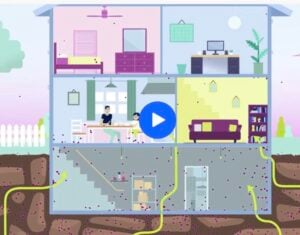
Radon is a naturally occurring radioactive gas emitted from the soil that can accumulate indoors. It is colorless, odorless and tasteless. Radon can enter a home through cracks and openings in walls, basements, floors and foundations. It does not matter if the building is new or old, well-insulated or drafty, or has a basement or not. Once indoors, radon can build up to dangerous levels and release radioactive particles that attack your lungs with dangerous, cancer-causing radiation. There is no known safe exposure level.
Radon exposure has no immediate symptoms, irritating effects or warning signs. The only way to detect radon in your home is to test for it.
“Radon is an invisible danger, appearing at high levels in far too many homes across Kentucky. Unfortunately, too few people are aware of the potentially devastating effects of radon exposure. We’re committed to educating and empowering residents to protect their homes and families,” said Kevin Stewart, Director of Environmental Health for the Lung Association. “Any home can have a radon problem, and testing is the only way to know if your home is safe. Thankfully, testing is easy, affordable and readily available at local hardware stores and through trusted online retailers.”
For National Radon Action Month, the Lung Association has the following guidance to protect Kentucky residents from radon exposure at home:
• Every home should be regularly tested for radon. High amounts of radon have been found in every state with an estimated one in 15 homes nationwide reporting radon levels above the EPA action level of 4.0 pCi/L. In some states, as many as one in three homes have high radon levels. Elevated radon levels can be found in single and multi-family homes, apartments, schools and other buildings. Radon levels can greatly vary from house to house. Even if your neighbors have low radon levels, yours could be high. Do-it-yourself test kits are simple to use, inexpensive and can save lives. If you are buying a home, consider hiring a certified radon professional who can conduct testing during the inspection period. Radon testing is recommended every five years and every two years if you have a mitigation system.
Rental property owners have a duty to protect tenants from health and safety hazards in most states and should disclose known radon levels to tenants and reduce high radon levels through radon mitigation. Some states have tenant rights laws regarding radon testing and mitigation. Tenants should talk to their landlord or property manager about radon testing.
• If radon test results are high, hire a professional to lower your radon levels and reduce radon exposure in the home. EPA recommends installing a mitigation system if radon levels are above 4 pCi/L and considering similar actions if radon levels are above 2 pCi/L. Radon mitigation should always be completed by a professional. A typical radon mitigation system consists of a vent pipe and properly sealing cracks and other openings. This system collects radon gas from underneath the home’s foundation and vents it to the outside. Contact your state radon program for a list of certified professionals. Some state health departments offer financial assistance or low interest loans for radon mitigation.
• If you smoke, reduce your risk of lung cancer by quitting. Smoking and radon are the number one and number two leading causes of lung cancer in the U.S. If you smoke and are exposed to high radon levels in your home or workplace, your risk of developing lung cancer is especially high. If you are ready to start your journey to quit for good, the Lung Association offers resources at Lung.org/quit-smoking.
To learn more about the potential health risks of radon, testing and mitigation, visit at Lung.org/radon and take the Lung Association’s free Radon Basics course at Lung.org/radon-basics.
American Lung Association