















By Tom Latek
Kentucky Today
Public health officials in Kentucky say Varicella, commonly known as chicken pox, is a highly contagious viral illness, still here and still preventable, known for its itchy and sometimes painful rash.
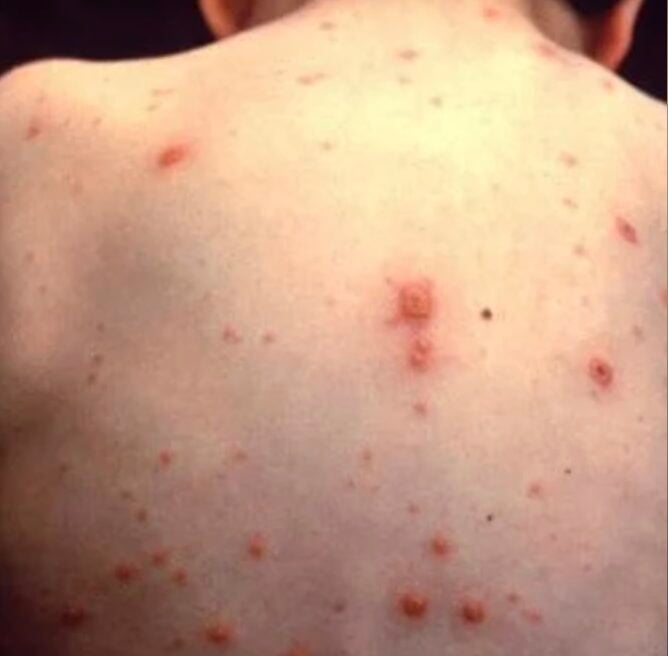
It is caused by the varicella-zoster virus and often begins with symptoms like fever, fatigue, and headache. Within a few days, a rash appears that begins as red spots, then develops into fluid-filled blisters which eventually burst and scab over. Chicken pox is often mild in young children, but it can lead to serious illness in adolescents, adults, newborns, pregnant women, and people with compromised immune systems.
Chicken pox spreads through the air when an infected person coughs or sneezes, and also through direct contact with the rash. People with chickenpox can spread the virus 1–2 days before the rash appears and remain contagious until all blisters have fully scabbed over. This makes rapid transmission more likely in homes, schools, and other close-contact settings and underscores the importance of adequate community vaccine coverage.
Before the varicella vaccine was widely administered, chicken pox was extremely common in the United States. An estimated 4 million people were infected each year, resulting in up to 13,500 hospitalizations and as many as 150 deaths. Since widespread vaccination began, chicken pox cases have declined by more than 97 percent nationwide, and serious complications are far less common.
The vaccine is recommended as a two-dose series for children, normally given at 12–15 months of age and again at 4–6 years. Adolescents and adults who have never had chickenpox or did not complete the vaccine series are also recommended to get vaccinated.
Treatment for chicken pox focuses on managing symptoms such as itching and fever. Antiviral medications may be recommended for people at higher risk for severe disease or complications. Because chickenpox is so contagious, anyone diagnosed should stay home and avoid close contact with others until all blisters have scabbed over.
While chicken pox is far less common today than it was a generation ago, it has not disappeared. Increases in cases remind us that vaccine-preventable diseases can resurface when routine immunizations are delayed or missed. Ensuring that people of all ages are up to date on the varicella vaccine helps prevent outbreaks, reduces complications, and protects those who can’t be vaccinated. By prioritizing routine immunizations, we keep our community safe and healthy.