


















May is National Water Safety Month, a time to remind families that drowning is preventable, yet it remains one of the leading causes of death for young children and people under 30.
Drowning rarely looks the way it does in the movies. Most people expect splashing or yelling—but drowning is often silent and can happen in less than a minute, even in just a few inches of water.
Bystanders are often the first line of defense. Research shows drowning victims are most often rescued by people nearby, not trained professionals, simply because they are closest to the incident. More than 60% of bystander rescues happen before help arrives.
“Everyone near water plays a role in keeping people safe,” said Marita Salkowski, regional communications director for the American Red Cross Central and Southern Ohio Region. “Whether it’s a child, a friend or a stranger, you may be the only person in a position to recognize distress and respond.”
The American Red Cross urges families to stay actively engaged around water. Don’t just swim—watch. Close, constant supervision can make the difference between life and death.
Water safety tips
• Nobody should ever swim alone – adults and teens as well as children. Never leave a young child unattended near water, and do not trust a child’s life to another child.
• Always designate a “water watcher” who will keep a close eye and constant attention on children and weaker swimmers in, on and around water until the next water watcher takes over.
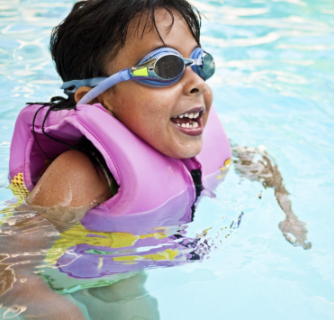
• Have young children or inexperienced swimmers wear properly fitted U.S. Coast Guard-approved life jackets around water, but do not rely on life jackets alone.
• Reach or throw, don’t go! In the event of an emergency, reach or throw an object to the person in trouble and tell them to grab on. Don’t go in! You could be in danger of drowning yourself.
American Red Cross