
















By Jennifer Jahn
NKyTribune staff writer
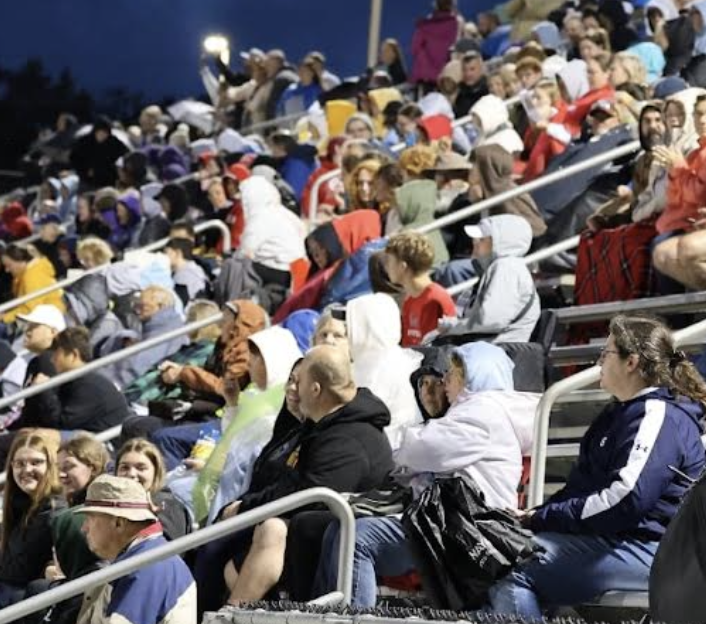
School is back in session, which means it’s time for Friday Night Lights. It’s time for bleacher seats, clear nights and cheers that can be heard across the field. Yes, it’s football season.
With football season, however, comes the risk of injuries, and some of those injuries can have lasting effects. This is true across all contact and collision sports. One of the most concerning potential consequences of repeated head impacts is chronic traumatic encephalopathy, or CTE.
CTE is a progressive neurodegenerative disease associated with repeated head impacts. Those impacts can come from tackles in football, headers in soccer, or body checks in hockey. Nearly every sport carries some potential for head impacts.

Unfortunately, CTE can currently only be definitively diagnosed after death, when brain tissue can be examined for the characteristic changes associated with the disease. Scientists are still working to understand why some people exposed to repeated head impacts develop CTE while others do not, including why some former athletes who have played for decades may never develop the disease while others show evidence of CTE as teenagers.
Fortunately, increased information and awareness can help parents, coaches and athletes make decisions that reduce exposure to head impacts and encourage proper recovery when injuries occur.
What is a concussion?
A concussion occurs when a force to the head or body causes the brain to move rapidly inside the skull. This sets off a “neurometabolic cascade,” according to Dr. Melissa Anderson, an assistant professor in the College of Health Sciences and Professions at Ohio University and an expert in concussions.
Anderson explains that this creates an energy crisis in which the brain is working harder while having fewer resources available to meet its demands. An important thing to remember, she said, is that there is no single impact threshold that guarantees a concussion.
Head impacts that do not result in a diagnosed concussion are often referred to as subconcussive impacts. These impacts may be experienced repeatedly by athletes and go unnoticed.
Repeated concussions and head impacts are a concern because each injury can disrupt cellular energy and damage delicate nerve fibers before the brain has fully recovered. Younger athletes may be particularly vulnerable because their brains are still developing.
Dr. Jeff Russell, an associate professor of athletic training in the College of Health Sciences and Professions at Ohio University, also emphasizes the cumulative nature of head trauma. However, “two players might experience the same impact [and] have very different outcomes depending on genetics, injury history, and recovery practices.”
How can parents and coaches help prevent concussions and head impacts?
When it comes to head impacts, less is better. Reducing the number of impacts an athlete experiences can be an important part of protecting young athletes.
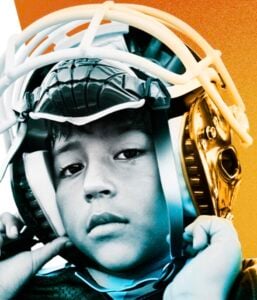
One way parents can reduce exposure is by delaying participation in full-contact sports. In football, for example, choosing flag football before transitioning to tackle football can reduce a child’s exposure to repeated impacts.
Coaches can also make practices safer by limiting or eliminating full-contact drills. Athletes typically spend more time practicing than playing in games, making practice a significant opportunity to reduce exposure to unnecessary head impacts. In 2016, all eight Ivy League schools banned full-contact football practices.
Because brain injuries are not always immediately visible like a broken bone or torn ligament, the “play through it” mentality should not be an option. Athletes who experience a suspected concussion should be removed from play and evaluated by an appropriate health care professional before returning to sports.
Helmets and other protective equipment should also be worn properly and according to the manufacturer’s and sport’s safety guidelines. While protective equipment is important, it cannot prevent every concussion or eliminate the risk of head injury.
Parents also play an important role by being a voice for their athletes. Give children the time and attention they need to share how they are feeling, particularly after a hit or collision.
Symptoms of concussion can include light sensitivity, dizziness, lethargy, headaches, nausea or vomiting, and vision problems. The Centers for Disease Control and Prevention also identifies possible effects on cognitive processes, social or emotional behavior, and sleep.
If an athlete experiences symptoms following a head impact, parents should take them seriously and seek appropriate medical evaluation rather than allowing the athlete to return to play simply because the symptoms appear mild.
Protecting the athlete beyond the scoreboard
Sports can be a time of tremendous growth, both physically and mentally, for young athletes. They promote physical fitness, teach discipline and perseverance, and illustrate what it means to work together toward one goal.
Protecting young athletes does not mean taking away the sports they love. It means creating an environment where safety is valued as much as competition. Parents, coaches, athletic trainers and athletes all have a role to play in recognizing symptoms, reducing unnecessary head impacts, and allowing the brain adequate time to recover.
The goal of a successful season should extend beyond Friday night’s final score. Young athletes should be able to enjoy the lessons, friendships and memories that sports provide while also knowing that their long-term health matters. By understanding concussions, taking head injuries seriously, and making thoughtful choices about contact and recovery, communities can help ensure that the benefits of sports last long after the lights go out.