










If you’re old enough to remember dial-up internet, paper maps, or when coffee lawsuits first became late-night comedy material, you probably remember the 1994 McDonald’s case where a cup of coffee cost the company roughly half a million dollars.
Thirty some years later, a recent spilled Starbucks tea came with a price tag about fifty times higher. That is a strong reminder that while coffee may be the fuel that keeps America upright before 9 a.m., it can come with a very expensive liability claim when it ends up anywhere other than the cup.
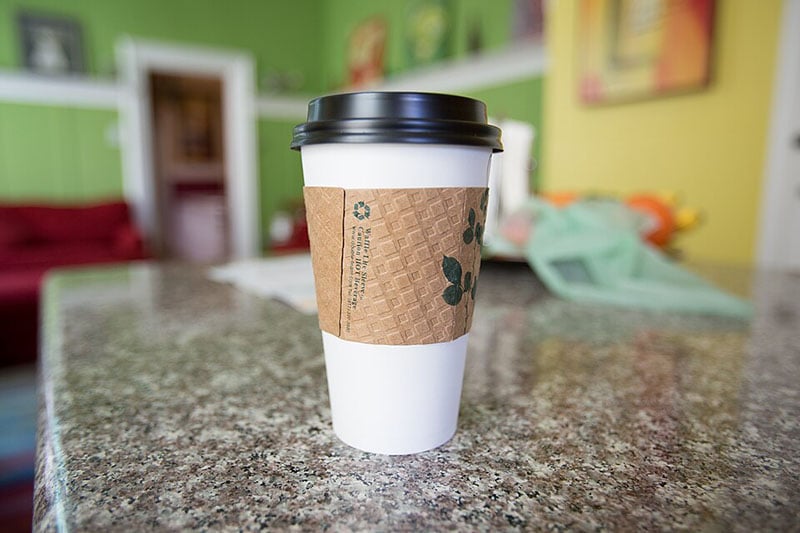
The lawsuit was one everybody joked about, but the facts were much more serious. In 1992, 79-year-old Stella Liebeck suffered third-degree burns after coffee served between 180 and 190 degrees Fahrenheit spilled in her lap while she was parked at an Albuquerque drive-thru. Her injuries required hospitalization, skin grafts, and a long recovery.
What often gets missed is that McDonald’s had already received more than 700 burn complaints tied to its coffee between 1982 and 1992 and had settled some of those claims for a total reportedly a little over $500,000. Then came the Liebeck verdict: $2.86 million awarded by the jury, later reduced by the judge to $640,000, before the case settled confidentially for a reported amount below $500,000. The award is what pushed the case into the national spotlight and helped create the “frivolous lawsuit” storyline, even though the injuries were severe and the facts were far more complicated than the punchline most people remember.
The restaurant industry has changed plenty over the past three decades. A cup of coffee that cost about 49 cents back then may run closer to $2 today, but one thing has not changed: hot beverage claims still create serious liability concerns when temperature, lids, or handoff procedures are not properly controlled.
In March 2025, a Los Angeles jury awarded Postmates driver Michael Garcia $50 million after Starbucks tea spilled in his lap at a drive-thru, with claims involving an allegedly unsecured lid, third-degree burns, nerve damage, and permanent injury. Starbucks plans to appeal.
In 2024, a Georgia Dunkin’ franchisee faced a similar claim, agreeing to a $3 million settlement after a 70-year-old customer was burned when a coffee lid allegedly came loose during a drive-thru handoff.
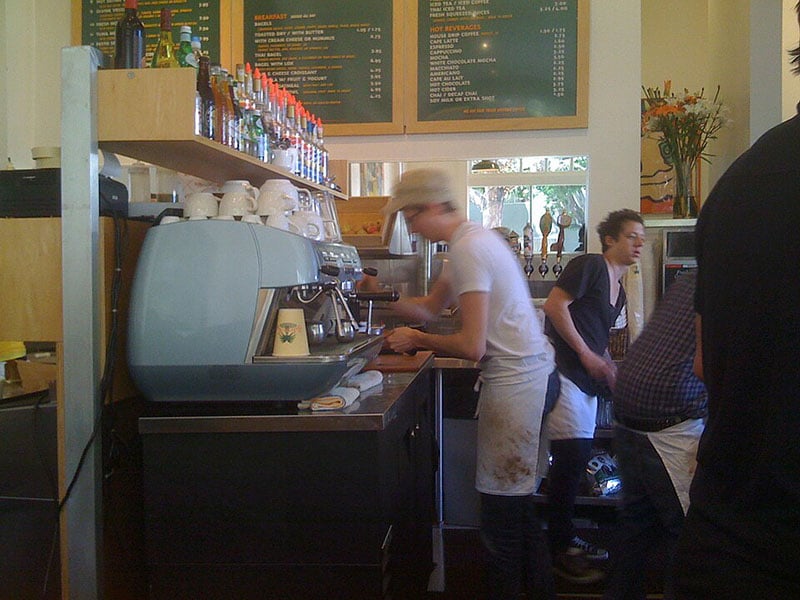
What stands out to me is that I see different restaurants, different years, buy the same familiar problem: a hot drink, an awkward handoff, and one small breakdown that has turned “have a nice day” into “you’ll be hearing from my attorney.”
From a loss control standpoint, the easiest recommendation would be to eliminate the hazard altogether and stick to orange juice. Of course, that works better in theory than it does at the drive-thru window. Hot coffee is not just another menu item; for many restaurants, it is morning fuel, repeat business, and profit in a paper cup. Serve it too cool, and customers will not be thanking you for the burn prevention tactics. They will simply take their caffeine loyalty to the drive-thru lane across the street.
To understand the risk, start with the obvious: coffee and tea are served hot because customers expect them that way. No one pulls up to a drive-thru hoping for a lukewarm cup that tastes like it lost interest halfway through brewing. Coffee is usually brewed between 160-185 degrees Fahrenheit, and hot tea is brewed hotter between 175-212 degrees Fahrenheit, and restaurants may hold or serve finished beverages well above 160 degrees. That is hot enough to cause serious burns very quickly.
Lower temperatures give customers more time to react, but nobody wants coffee that tastes like it lost the will to be coffee. Restaurants need clear holding-temperature standards, thermometer checks, and documentation. In litigation, “we usually do it this way” is weak. Dated records prove the process was actually followed.
In many of the larger claims, temperature is only part of the story. The more practical question is whether the drink stayed where it was supposed to stay, which is generally inside the cup and not landing in a customer’s lap. Was the lid fully seated? Was the cup overfilled? Was the carrier stable? Was the customer handed the order in a way that made a spill more likely?
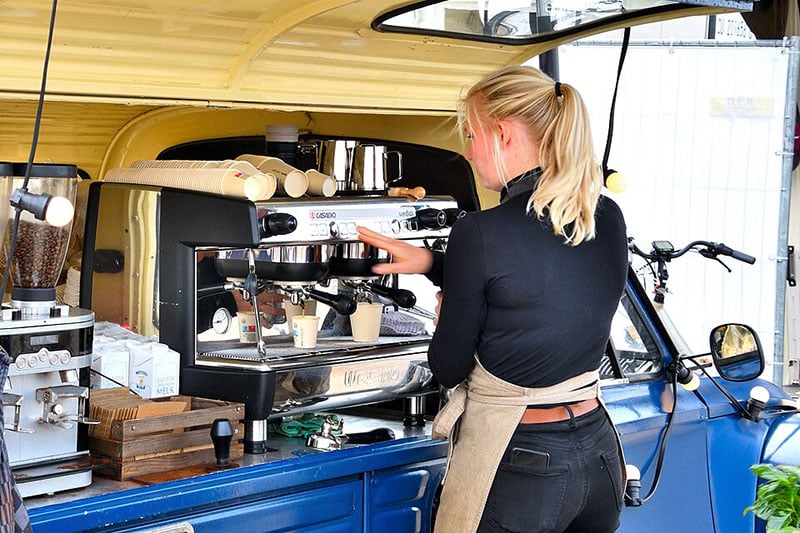
Drive-thru service deserves special attention because the customer is usually seated, reaching, and surrounded by a vehicle interior that leaves very little room for error. This is where training is required, as the staff should be trained to press and visually confirm every lid, use sleeves or carriers when needed, avoid unstable handoffs, and never assume a lid is secure just because it looks close enough. Because “close enough” is not a risk management strategy; it is a lawsuit warming up in the bullpen.
A warning label or disclaimer will not save a restaurant that ignores temperature control or sloppy handling, but it still matters. Juries expect to see basic warnings on hot beverage cups, and they notice when those warnings are missing.
Have you noticed while being served a hot sizzling plate of chicken fajitas at your favorite Mexican restaurant the waiter usually always says “careful, this is hot.” Well, that’s because the staff have been properly trained to avoid such burn claims.
The same applies at the drive-thru. A simple “Careful, this is hot” will not earn anyone a safety degree, but it reinforces the risk, alerts the customer, and shows the handoff was not treated like routine background noise.
When paired with a tight lid, sleeve, or carrier, that small warning becomes one more layer of defense. It is cheap, quick, and far easier than explaining later why nobody mentioned that the beverage was approximately the temperature of bad decisions.
After an injury, liability often turns on what the restaurant can prove, not what everyone vaguely remembers while talking to the insurance adjuster. Written procedures for beverage temperatures, lid checks, cup carriers, drive-thru handoffs, and incident response should be built into employee training and refreshed regularly. Employees should sign off on training, and managers should keep useful records. If a spill occurs, staff should provide help, gather witness names, take photos, complete an incident report, and avoid statements that sound like an admission of fault. The response should be calm and helpful, because “Oops” is not a legal defense.
Restaurant operators should review insurance before a claim makes the decision for them. Confirm with the broker that general liability coverage responds to hot beverage burn claims and check for sublimits, exclusions, or gaps. Coverage questions are much easier to handle before a lawsuit arrives and everyone suddenly becomes an amateur insurance attorney.
Restaurants do not need to apologize for serving hot coffee. Hot coffee is supposed to be hot. But when temperature, lids, or handoffs fail, morning motivation can become a serious claim. The best defense is simple: train, document, and never trust a lazy lid.
Be safe my friends.
Keven Moore works in risk management services. He has a bachelor’s degree from the University of Kentucky, a master’s from Eastern Kentucky University and 25-plus years of experience in the safety and insurance profession. He is also an expert witness. He lives in Lexington with his family and works out of both Lexington and Northern Kentucky. Keven can be reached at kmoore@higusa.com