

















By Dr. Trey Cline
University of Kentucky
From podcasts to playlists, earbuds and headphones have become part of many individuals’ daily routines. But everyday listening habits can put hearing at risk — and small, daily changes can help protect it.
Why volume matters
As sound travels into the ear, there are thousands of sensory cells in your inner ear, known as hair cells, that convert the sound vibrations into electrical signals that your brain can understand.
Listening to sounds at loud volumes, including headphones, for prolonged periods of time can permanently damage the delicate hair cells. This damage occurs due to excessive mechanical force on the hair cells, toxicity related to overexcitement of the cells and inflammation.
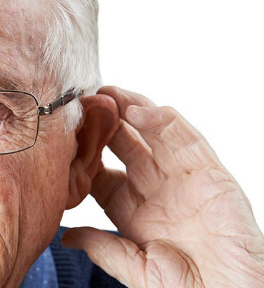
According to the National Institute on Deafness and Other Communication Disorders, as many as 6-24% of adults under the age of 70 years and 17% of teenagers, 12-19 years, have evidence of noise-induced hearing loss.
How loud is too loud?
Noise is considered hazardous based on how loud it is, which is measured in decibels (dBA), duration of noise exposure and how frequently you’re exposed. It is recommended to take precautions at 85 dBA.
There are a few simple ways to tell when sound may be too loud:
• If you cannot hear someone talking at a normal voice level nearby.
• You must raise your voice or shout to talk to someone a few feet away.
• Sounds seem muffled after you leave the noisy area.
• After leaving a noisy area, your ears ring (tinnitus), feel full or hurt.
How to protect your hearing
If you know you tend to listen at a high volume, or if you often spend time in noisy environments, it’s not too late to protect your hearing. A few practical steps can help reduce your risk of permanent hearing loss.
• Follow the 60/60 rule. Keep your listening device volume at no more than 60% for 60 minutes at a time before taking a break.
• Pay attention to volume warnings. Many smartphones can monitor sound levels and alert you when listening habits may put your hearing at risk.
• Choose noise-cancelling headphones. Blocking out background noise will allow you to listen to your device at a lower volume.
• When participating in loud activities such as concerts, shooting, using power tools or lawn equipment, use well-fitting earplugs or other hearing protection. In extremely loud environments, multiple types of hearing protection may be warranted, such as earmuffs over earplugs.
When to get your hearing checked
If you use headphones or are exposed to high levels of noise each day, consider regular hearing checkups. You should also check with your healthcare provider if you notice any warning signs, including:
• Difficulty understanding speech in quiet or noisy environments such as restaurants, meetings or family gatherings.
• Frequently asking for repetition when communicating with others
• Muffled sounds and a feeling that your ear is plugged
• Tinnitus (Ringing, roaring, hissing or buzzing in the ears)
• Listening to the TV or radio at a higher volume than normal
Dr. Trey Cline, Au.D., Ph.D., is an assistant professor in the Department of Otolaryngology – Head and Neck Surgery at the University of Kentucky College of Medicine.