














I did not invest in Bircus Brewing because I expected to get rich. I invested because I wanted to help build something in my community. I believed neglected buildings could be restored instead of abandoned. I believed local businesses could create jobs and opportunity. I believed ordinary people—not just banks, major developers and politically connected investors—could put their own money behind the future of their communities.
Like more than 300 other Bircus investors, I put real money behind that belief.
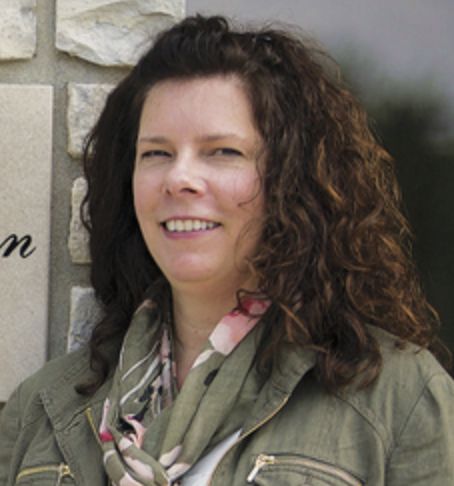
I am a retired Army officer, a manufacturing quality leader, a small-business owner and a resident of Fort Wright, Kentucky. I have spent much of my adult life working in systems where accountability is not an abstract virtue. When something goes wrong, you establish the facts, identify who made the decisions and determine why the controls failed.
That does not appear to be happening in Ludlow.

For years, Bircus Brewing and related redevelopment projects have been trapped in litigation, regulatory disputes, political conflict and repeated delay. Government continued operating.
Attorneys continued billing. Large developers continued developing. The people left waiting were ordinary investors—retirees, veterans, small-business owners and working families whose money remains tied up.
Litigation is supposed to resolve disputes. It can also become a weapon of attrition. A government or well-financed institution can survive another filing, another hearing, another legal bill and another year of delay. Most small businesses and individual investors cannot.
You do not have to defeat the little guy on the merits if you can make the fight last longer than he can.
That is not equal justice. It is economic strangulation conducted through paperwork.
I keep returning to questions no one in authority appears willing to answer publicly. Why did Ludlow file suit shortly before a 10-year deed restriction was due to expire? Why was a settlement proposed, accepted by the affected parties and then never completed? Who authorized the city’s litigation and enforcement decisions? How much have they cost taxpayers and investors? Who benefited from the delay, and who was harmed by it?
The regulatory history raises additional questions. Who ordered particular inspections, shutdowns and utility actions? What evidence supported them? Were comparable businesses given opportunities to correct problems that Bircus was not? Did each agency act independently, or were officials coordinating their actions?
At one point, an inflammatory allegation involving human trafficking brought authorities to Paul Miller’s door. Miller cooperated and permitted authorities to enter. The inquiry ended without a finding of wrongdoing.
That outcome does not erase the damage caused by associating a person, a circus program and a community-supported business with one of the most horrifying crimes imaginable. Who originated the allegation? What evidence supported it? How did it become known outside the investigation? Did anyone connected to the political, regulatory or property disputes repeat or exploit it after authorities found nothing?
Government must investigate credible allegations involving vulnerable people. It must also guard against becoming a vehicle through which rumor acquires the appearance of official suspicion. If a knowingly baseless allegation was used to damage an adversary, that was not public protection.
It was a smear carrying the weight of government authority.
Public records provide another warning sign. In a 2018 decision, the Kentucky attorney general concluded that Ludlow violated the Open Records Act in its handling of requested communications concerning Miller’s properties and marquee. Body-camera footage from a May 2017 encounter also exists and deserves examination alongside dispatch records, inspection files and official communications.
None of that, standing alone, proves corruption. But it establishes that demands for transparency are not imaginary grievances. A state authority found that Ludlow failed to comply with its obligations under the Open Records Act.
The economic contrast is equally difficult to ignore. While a community-supported project backed by hundreds of small investors remained mired in conflict, a major development received public assistance and the approvals necessary to continue moving. The precise financial arrangements, public obligations and differences between the projects should be examined carefully. But the broader pattern is painfully familiar: connected institutions navigate government; ordinary people collide with it.
That is what crony capitalism looks like from the bottom.
Crony capitalism does not always arrive as cash passed under a table. Sometimes it appears as selective urgency. One project receives cooperation, flexibility and public support.
Another receives enforcement, litigation and delay. One developer’s obstacles become problems government helps solve. A smaller project’s obstacles become reasons government says it cannot act.
Perhaps every individual decision has an innocent explanation. Perhaps the record will reveal incompetence, personal hostility, inconsistent enforcement or poor judgment rather than corruption. That is precisely why independent oversight exists—or should exist. When the cumulative result repeatedly benefits powerful interests while exhausting less powerful ones, “trust us” is no longer an adequate response.
This is bigger than Paul Miller, Bircus Brewing, or one disputed collection of properties. Whether officials like Paul is irrelevant. Public systems are not supposed to operate according to whether those in power find a citizen agreeable. Rights, contracts and standards either apply consistently or they become privileges dispensed by people with influence.
The real question is whether ordinary citizens are genuinely welcome to participate in economic development — or merely encouraged to invest until their interests conflict with someone larger.
Politicians regularly praise entrepreneurship, historic preservation and community investment. They celebrate the little guy at ribbon cuttings and campaign events. The real test comes when that little guy competes for property, investment, attention or influence. Does government remain a neutral referee, or does it clear the field for interests that already possess money and access?
I am not asking readers to accept every allegation made by every party. I am asking journalists, elected officials and oversight authorities to examine the record. Review the original property agreements and deed restrictions. Establish the timing and stated purpose of the lawsuit. Examine the proposed settlement and determine why it was not executed.
Trace the trafficking allegation to its source. Review the body-camera footage and related reports. Account for public incentives, litigation expenses and development assistance. Compare how similar projects were treated. Identify who authorized each decision.
If the decisions were proper, an independent investigation should demonstrate that. If they were not, taxpayers and investors deserve to know.
For years, I remained quiet because I assumed the system would eventually work. I assumed litigation would end, agreements would be honored and ordinary investors would finally be heard. Instead, I have watched my investment drift farther downriver with every delay, every political fight and every assurance that resolution was just around the corner.
Was Bircus merely a difficult project encountering ordinary government regulation? Or was public authority used — intentionally or otherwise — to exhaust a smaller enterprise until it could no longer compete? Were the same rules applied to similarly situated developers? Who gained from the delays? Where was the oversight?
Those are not verdicts. They are questions with discoverable answers.
Money should not determine how long someone can survive the pursuit of justice. Connections should not determine which projects government helps and which ones it buries. If ordinary citizens are invited to invest in their communities, they deserve transparency, equal treatment and a government that does not simply wait for them to run out of money.
Do ordinary people still have a voice?
The answer depends on whether anyone with authority — or a journalist willing to follow the record — is willing to look.
Kevin Sari is a retired military officer, small business owner, and manager of a manufacturing company in Cincinnati. He lives in Fort Wright. Reach him at ksari46@gmail.com