















Kentucky Voices for Health issues advice on how to protect your children (and yourself) from the measles outbreak that continues to spread in the state.
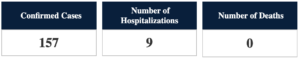
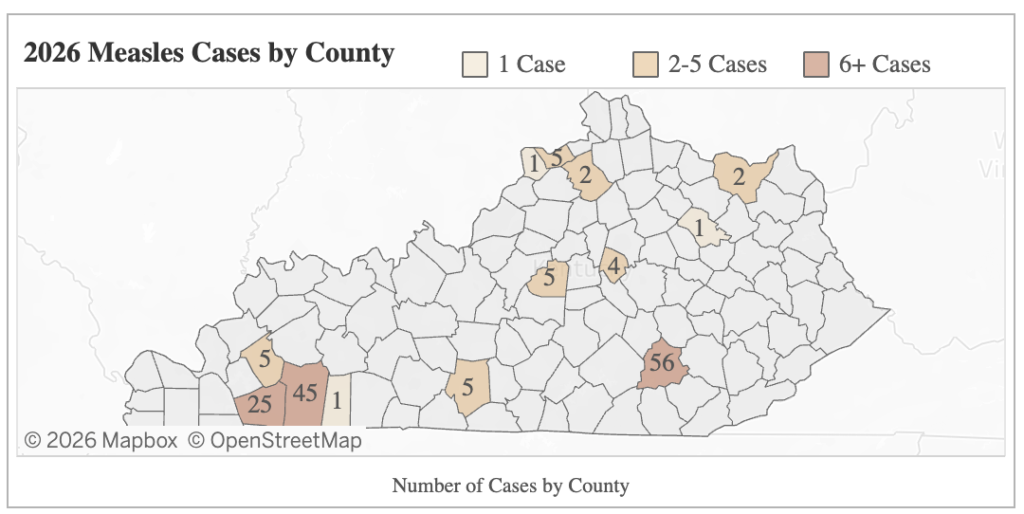
Kentucky’s measles outbreak has reached 157 confirmed cases, a sobering milestone in a year that has seen measles resurge across much of the country. Public health officials continue to emphasize that vaccination is the safest and most effective protection against this highly contagious disease.
For decades now, measles has felt like an afterthought… but as fewer children and adults received the recommended MMR vaccine, communities have gradually lost protection.
Now more counties are becoming affected by the outbreak, and many Kentuckians are unsure of their immunization status. Most people can confirm they’re protected with a quick records check.
Here’s what to look for:
• Infants (6–11 months): An early dose is recommended in areas with an outbreak, after discussion with your child’s provider. This early dose doesn’t count toward the two routine doses.
• Children: Two doses of MMR. If your child has had only one, the second can be given as soon as 28 days later. Your pediatrician, your child’s school, or your local health department can confirm what’s on file.
• Adults (born before 1957): Most people in this group had measles as children and are considered immune.
• Adults (born 1957–1968): If you have no record of vaccination or aren’t sure what type of vaccine you got, one dose of today’s MMR is recommended.
• Adults (born after 1968): If you have no record of vaccination or aren’t sure what type of vaccine you got, at least one dose of today’s MMR is recommended. A second dose may be recommended based on your risk.
• Anyone unsure of their records: Ask your provider or local health department about whether you need vaccination.
Kentucky Voices for Health