















Dr. Alexis Luedke
University of Kentucky
Halloween is a favorite night for many children, but it can also bring added safety risks after dark.
A few simple steps can help families enjoy trick-or-treating and prevent common Halloween injuries.
Many trick-or-treaters are out when it is dim or dark, and costumes can make it harder for children to see and be seen. Excited children may also dart into the street without looking.
On Halloween, child pedestrians face a higher risk of injury and are twice as likely to be killed by a motor vehicle than on any other night of the year, according to the American Academy of Pediatrics and Safe Kids Worldwide.
How can children stay safe on the street?

Children 12 and younger should trick-or-treat with an adult. Older children should go in a group, stick to a planned route, and carry a charged phone. Walk on sidewalks when possible, cross at crosswalks or intersections, and look for cars in all directions, including ones that are turning. Children should never cross between parked cars.
What should children wear?
Choose bright costumes and add reflective tape to costumes and treat bags. Flashlights and glow sticks help drivers spot children, too. Costumes should be short enough to prevent tripping, and shoes should fit well. Look for costumes and wigs labeled flame resistant.
Masks can block vision, so nontoxic face paint is often a better choice. Test makeup on a small area of skin before applying it and remove it before bedtime to prevent irritation. Avoid decorative contact lenses unless an eye doctor prescribes them. The Food and Drug Administration warns that lenses sold without a prescription can cause serious eye injuries.
How can families prevent pumpkin-carving injuries?
Pumpkin carving is a popular Halloween tradition, but sharp tools can lead to serious cuts and injuries. Adults should handle sharp carving tools while younger children help by drawing designs or decorating pumpkins with paint and stickers. Carve pumpkins on a stable, well-lit surface and keep hands dry to prevent slipping. Battery-operated candles or LED lights are also safer alternatives to open flames inside jack-o’-lanterns.
What should parents know about candy?
Give children a full meal before they head out, so they are less tempted to snack along the way. Wait until they are home to dig in, then sort through the candy together. Tampering is rare, but throw away anything that is unwrapped, opened or looks spoiled.
If your child has a food allergy, read every label. Fun-size candy can have different ingredients than regular-size versions.
Parents should also recognize signs of a severe allergic reaction, known as anaphylaxis. Symptoms can develop rapidly and affect multiple body systems, with signs including difficulty breathing, swelling of the tongue or throat, vomiting, and hives. Anaphylaxis is a medical emergency that requires immediate treatment with epinephrine and a call to 911.
Hard candies, gum and small toys can be choking hazards, especially for children younger than 4. Keep treats and small objects out of reach of younger children and encourage them to sit down while eating candy.
What should drivers do?
Slow down and scan the road, especially in neighborhoods, and watch for children in unexpected places. Avoid distractions such as phones and be extra cautious when backing out of driveways or approaching intersections.
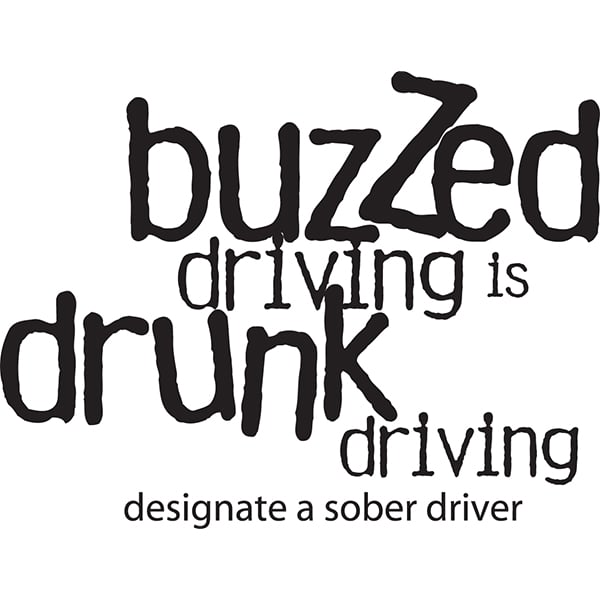
The National Highway Traffic Safety Administration reports that nearly half of crash deaths on Halloween night in 2024 were alcohol related. Anyone attending a party should plan a sober ride home before the night begins.
With a little planning and extra attention, families can keep Halloween about the costumes, candy and fun, not injuries.
Dr. Alexis Luedke, M.D., is an assistant professor of emergency medicine at University of Kentucky HealthCare.