









Haunted attractions are designed to make you feel unsafe. The trouble starts when that feeling stops being an illusion. Every fall, businesses, schools, charities and community groups open haunted houses, and research shows people love being frightened, as long as they feel safe.
That last part worries me, because feeling safe and being safe are not the same thing. As a risk management and safety professional, I see dangers in these attractions that have nothing to do with zombies or chainsaw-wielding maniacs. Every year after I write about haunted house safety, I hear from at least one attorney whose clients were seriously hurt inside one.
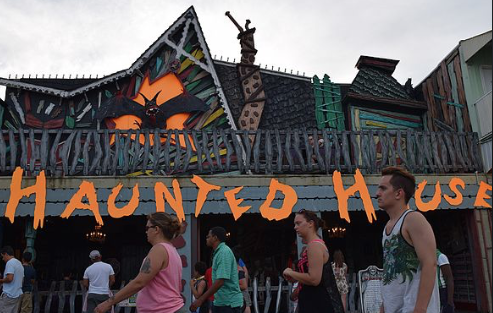
Picture this. You take your family to a local haunted house and walk past the posted safety rules, because who reads those? Inside, it’s loud, dark and twisting. A man with a roaring chainsaw lunges out of nowhere, and you hear one word: “Run” or and he starts to chase you.
What happens is the flight of fear takes over, and for some it feels like a death-defying reaction. Despite the “no running” sign, your family bolts down a narrow, dark hallway. Then you hear a thud. Your loved one has tripped into a wall and is semi-conscious and bleeding heavily from the face. You cry out for help, but passing guests think you’re part of the show.
This happened. An attorney representing the family contacted me 12 years ago after reading one of my earlier articles, and together we reviewed the case. The young woman fractured the orbital bone beneath her eye and struck a protruding object holding up netting, a cut that took 50 stitches and left a permanent scar. It took management more than 20 minutes to find her and render first aid.
She tripped on a small ramp with no low-level lighting to mark it. Whether the actor said “you better run” or “don’t run” was disputed, but frightened people don’t hear qualifiers. He should have been trained to say “walk.” Less scary, far safer.
The volunteer actors had never received formal safety training, and the staff manual gave safety one short paragraph. The owner said he ran daily and sometimes hourly inspections, but none of them were documented. He eventually settled from what I was later told.
This just recently happened again in Tennessee and family has filed a $1.5 million lawsuit against Full Moon Slaughterhouse, alleging a 16-year-old girl suffered severe, permanent injuries after a haunted-house employee chased her outside the attraction in October 2025. According to the lawsuit, she fell into an unmarked drop-off and required surgery. The family claims the attraction failed to maintain safe operating boundaries and adequately protect guests.
Most haunted attraction operators aren’t villains. But like the owner in my case, many are experts at scaring guests and amateurs at protecting them. Many will put the theatrical scare ahead of safety, and here’s the truly frightening part: many rely on teenage volunteers, some as young as 14, who are trained to scare and little else. Those teenagers are often the only thing standing between your family and the emergency room.

Operators have a duty of care: an obligation to act reasonably so they don’t cause harm to their guests. That means inspecting the premises, training actors, choosing safe props and documenting all of it.
Training these teenage actors is crucial, as they should be trained to stay out of guests’ personal space and never touch a guest, especially one who seems to be looking for a confrontation.
Now mix low lighting, large crowds, elevation changes, strobe lights, fog, sudden noises and fake blood in a confusing maze. Add the raw emotion of terror, and you’ve built a disaster waiting to happen. Frightened groups stampede all at once, shoving others into walls and props or knocking them to the floor. Props and hardware loosen with every collision, turning harmless decorations into hazards, especially for small children. And fog pumped into enclosed spaces without proper ventilation can leave guests unable to see where they’re going, let alone find a way out.
Fire is the greatest concern. Smoke inside a haunted house looks like a special effect, and fires often go undetected for several minutes. Guests may keep moving deeper into a maze designed to disorient, never realizing they have minutes, or seconds, to get out.
On May 11, 1984, fire broke out in a haunted attraction at Six Flags Great Adventure in New Jersey. Eight teenagers were trapped and died, unable to find an exit as flames spread through flammable building materials. The tragedy led the National Fire Protection Association (NFPA) to create provisions for “special amusement buildings” requiring properly installed and maintained automatic sprinklers.
That standard made amusement park haunted houses safer, but it doesn’t reach the average small-town community haunted house. Fire marshals and code officials have told me temporary operations often pop up and disappear before anyone inspects them, especially when an existing building is quietly converted for the season.
Too often, safety rules are reactive. Kentucky’s most sweeping safety reforms followed the 1977 Beverly Hills Supper Club fire and the 1988 Carrollton bus crash. Yet Kentucky has no fire code written specifically for haunted attractions, and only a handful of states do.

Indiana is one of them. Every haunted house operator there must be inspected and certified before opening. Mazes can have no dead ends and need an obvious exit for every 50 feet of travel. Groups are limited and supervised by an adult staff member with a flashlight. The local fire department gets a floor plan at least three working days before opening. The code also requires extinguishers every 75 feet, interconnected smoke detectors and flame-resistant materials, and bans open flames.
I’m not one to lean toward more government regulation, but when it comes to public safety, Kentucky should follow Indiana’s lead before a tragedy forces its hand.
Every operator should also ask: are we insured for this? Some policies exclude haunted attractions as outside the scope of the original operation. Does your carrier know you’re running a haunted house? Are your liability limits high enough for a serious injury? Without coverage, an injured guest may have no recourse for medical bills or lost wages, and the operator is left exposed.
Before you visit or work at a haunted house, look for clearly marked exits, smoke alarms, emergency lighting and fire extinguishers. Make sure there are no open flames and that decorations are flame resistant. Walk, don’t run, no matter what the guy with the chainsaw says. And if an actor touches you inappropriately, tell a manager.
Halloween should be harmless fun. Jason and Freddy Krueger left me shell-shocked in my youth, but as a safety professional, I know there are enough real dangers in life without paying for more. None of us has nine lives to spare.
Be safe my friends.
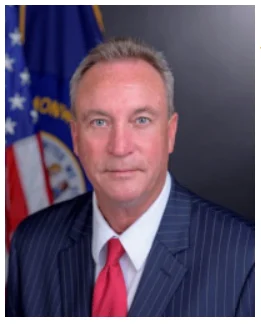
Keven Moore works in risk management services. He has a bachelor’s degree from the University of Kentucky, a master’s from Eastern Kentucky University and 25-plus years of experience in the safety and insurance profession. He is also an expert witness. He lives in Lexington with his family and works out of both Lexington and Northern Kentucky. Keven can be reached at kmoore@higusa.com