











People are tired and don’t want to be. Understandably so. No one wants to go to work for eight hours a day, come home and slump over.
We want energy to invest in our hobbies, to play with our kids, catch up with friends, work out, or anything that piques our interest. We want to feel young, vibrant, and have a sense of excitement about our lives.
After working with clients for four years, I have observed that chronic exhaustion is a common experience. The story goes something like, “I used to do things and I didn’t have to think about it. I didn’t have to think about whether my body might hurt or how uncomfortable I might be. So, I guess it’s just better if I don’t do much.”
This experience is much more prevalent after someone has experienced intense life stressors. Such as: transitioning from young adulthood to adulthood, having children, moving homes, changing jobs, a relational rupture, or something that placed enough stress on themselves that resulted in self neglect.
This is in large part what it means to be unhealthy: neglecting yourself. Intuitively this makes sense. You give less and less energy to yourself, therefore you feel exhausted. You don’t have any energy because you give to everyone and everything except you. And I have personally experienced this.
My therapist once told me, Lee, if you don’t take time to care for yourself, you will eventually crawl up in the fetal position wanting to die. I never forgot those words. If you struggle with chronic exhaustion, there is certainly not one protocol, supplement, prescription, workout routine, or diet, that will fix everything. You have to, at some point or another, ask yourself, why am I so exhausted? And for me, I was exhausted for three years straight. I operated in constant exhaustion due to a rumble of panic that underwrote everything that I did. I was so anxious that I could not simply sit down and relax. I put an immense amount of pressure on myself to always be going, always productive, and it led to recurring panic attacks, poor sleep, being sick once a month, and having absolutely no joy.
So what helps? The first thing I would say is ask yourself three questions:
1. What brings me excitement?
2. What do I find dull?
3. Does being healthy matter if I don’t find my life exciting?
As I understand it, exhaustion is close to the antithesis of excitement. And if you don’t find your life and yourself exciting, why on earth would you care about being healthy? Why would someone be healthy or attempt to improve their health if they’re not excited about their life?
Of course, there is more to it than external stressors that cause people to be chronically exhausted. There are biological changes that take place as we age, and as we experience life (injury, illness, habits that we develop) that impact our energy. But, in order to thoroughly investigate the question of “why are we so tired?”
I think, deep down, we have to believe our lives are exciting enough to have energy for.
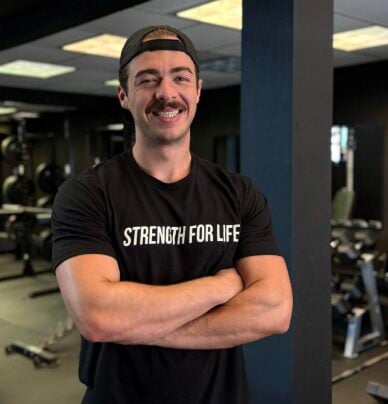
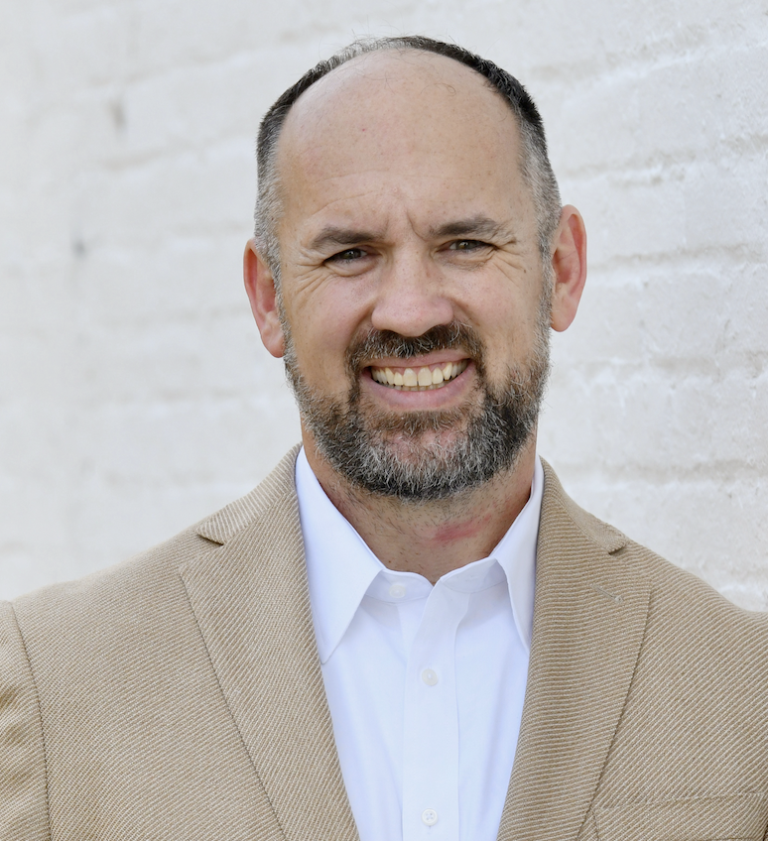
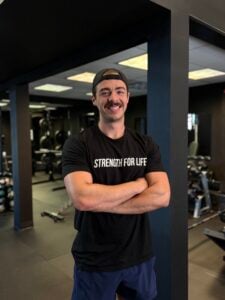
Lee Ramsey has a passion for fitness as a way to help people grow and change into more adaptable, capable and resilient versions of themselves. He is owner of Sanctify Fitness in Covington and a regular fitness columnist for the NKyTribune.