
















“I know what to do. I just can’t seem to stay consistent at it.”
This sentence characterizes a collectively experienced disposition toward our problems.
We typically know when we aren’t taking care of ourselves. We know when we eat too much, stay up too late, drink too much, or waste too much time. Overindulgence or a lack of self- control is an experience we all suffer from, one way or another. So what is so difficult about doing what we know is actually good for us?
Why is it so hard to quit bad habits and start good ones? Why is it so difficult to change in ways we know would improve our lives?
There are at least two reasons we don’t do the things we know we should. First, we don’t believe ourselves capable of making meaningful change, and second, we don’t understand why we live the way we do. Saint Ignatius developed a three-step process of transformation that is directly applicable to health and fitness: awareness, understanding, and action. (awareness). We become aware of what we are doing and the outcomes those behaviors produce. (understanding) We then ask ourselves why we continue doing things that lead to undesirable consequences.(action) Finally, we act differently and begin to pursue different outcomes.
If it is this simple, why do we struggle so much to put it into practice?
Shame
Shame is one reason we never fully commit ourselves to change. We see ourselves as unworthy of something better, even when we hate the life we are living. Shame feeds on the fear of failure, and convinces us that attempting to change and failing would only confirm what we already suspect about ourselves: that we are incapable of becoming something better.
So we avoid trying, and whenever we become aware of our destructive behaviors, we push that awareness away and say, “Well, this is just how I am.” Because being honest with ourselves would require a painful admission: we may have come to think so poorly of ourselves that we no longer believe change is possible.
If you’re like me and struggle with doing things you wish you didn’t, what would a first step toward change look like?
It would begin by reintegrating an awareness of how our behaviors actually make us feel. How do you feel when you don’t exercise versus when you do? How do you feel after one beer versus seven? How do you feel when you overeat versus when you stop eating once you’re full? These questions seem simple, but they ask something of us that we often avoid: emotional honesty.
Rather than judging ourselves for what we do, we begin paying attention to what our behaviors produce in us.
When we become honest about how our behaviors make us feel, we become more curious about why we continue engaging in behaviors that leave us feeling terrible. We begin to see that our actions are not isolated events, but that they shape our experience of ourselves and our lives. And once we understand what we do, how it affects us, and why we keep doing it, we begin to know ourselves more deeply. The more we know ourselves, the better equipped we are to care for ourselves.
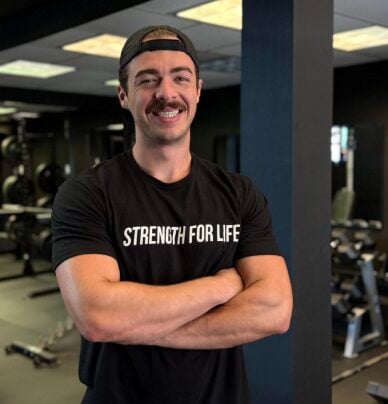
Lee Ramsey has a passion for fitness as a way to help people grow and change into more adaptable, capable and resilient versions of themselves. He is owner of Sanctify Fitness in Covington and a regular fitness columnist for the NKyTribune.