
















By Christy Burch
Ion Center
Every October, communities across the country recognize Domestic Violence Awareness Month. We wear purple, honor survivors, remember lives lost, and renew our commitment to ending abuse.
These traditions matter. But as October draws to a close, I believe we must ask a more important question: What will we do with the awareness we have raised?
At the Ion Center for Violence Prevention, this question is especially meaningful in 2026 as we celebrate 50 years of serving survivors and working toward safer communities. Our anniversary is an opportunity to reflect on how far we have come, but it is also a reminder that the work ahead requires all of us.

Domestic violence is not simply a private family matter. It is a public health issue that affects individuals, children, families, workplaces, schools, and entire communities. Its consequences can extend far beyond an individual incident, affecting emotional well-being, physical health, economic stability, and a person’s ability to feel secure in everyday life.
The numbers here in Kentucky make clear that this work remains urgent. In 2025, law enforcement responded to nearly 34,000 domestic-violence-related incidents across the Commonwealth. More than 20,000 protective orders were issued by Kentucky courts. Behind those numbers are people navigating difficult and often dangerous circumstances, parents trying to protect their children, and families searching for a path forward.
We must continue to provide compassionate, accessible support for those experiencing violence.
Survivors deserve to be heard, believed, and offered meaningful choices about their safety. But we also must look upstream and ask how we can prevent violence before it happens.
Awareness opens the door. Prevention changes what happens next.
Prevention begins with the relationships and environments we create every day. It means teaching young people what healthy relationships look like and giving them the tools to recognize unhealthy behaviors. It means creating workplaces where people know how to respond when someone needs help. It means ensuring that healthcare professionals, educators, neighbors, and community leaders understand that their response can make a difference.
Prevention does not rest on one organization or one profession. It is a shared responsibility.
At the Ion Center, we see this responsibility through two equally important commitments: supporting survivors today and helping build a future in which fewer people experience violence tomorrow. We provide free, confidential services, including crisis support, emergency shelter, advocacy, counseling, safety planning, and prevention education. Our prevention team works with students, schools, colleges, professionals, and community members to build understanding and strengthen the skills that help create safer communities.
This work reflects a simple belief behind our 50th-anniversary initiative, The Power of Safe: Safety is not merely the absence of harm. It is the foundation that allows people to learn, grow, heal, and thrive.
Think about what becomes possible when a child feels safe at home and can focus on learning. When a person experiencing abuse can reach out without fear of being judged. When a colleague knows how to respond with compassion rather than silence. When a young person learns that love should never require control, intimidation, or fear.

Each of these moments matters. Together, they can help shape a healthier community.
As we celebrate five decades of the Ion Center, we are grateful for the survivors whose courage has shaped our work, the staff and volunteers who show up every day, and the community partners who understand that safety is fundamental to individual and community well-being.
Their commitment has helped carry this mission forward since 1976.
As Domestic Violence Awareness Month comes to a close, I encourage each of us to take one step beyond awareness. Learn the signs of an unhealthy or abusive relationship. Listen without judgment when someone shares a difficult experience. Help connect people to trusted resources.
Support prevention education in our schools and communities. And remember that asking for help should never come at the cost of someone’s dignity.
For anyone experiencing abuse, support is available. The Ion Center provides free, confidential services and 24-hour hotline support. In Northern Kentucky, call 859-491-3335 to speak with an advocate.
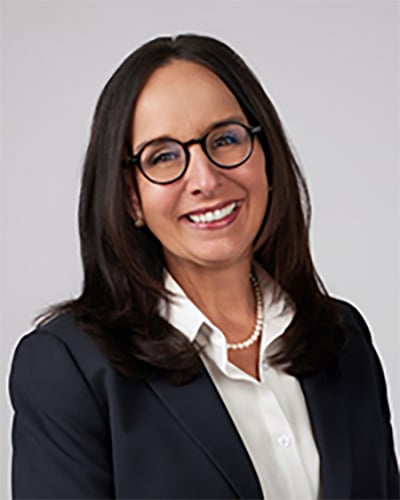
Christy Burch is CEO of the Ion Center for Violence Prevention.