

















By Melissa Patrick
Kentucky Health News
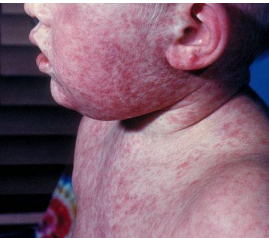
After a week with no new cases reported, Kentucky confirmed 12 more cases of measles last week in five counties, bringing the total up to 212 in the current outbreak, according to the Kentucky Department for Public Health’s measles dashboard.
Hospitalizations from the disease increased to 17 in the latest update, up from 13 two weeks ago.
DPH also warns people who were at Colby’s Fine Food & Spirits in Owensboro on Oct. 29 from 11:30 a.m. to 3:30 p.m. that they may have been exposed to measles, and to monitor for symptoms until Nov. 19.
As of Nov. 16, the state’s measles dashboard reports cases in Allen (2 cases); Barren (5); Bath (20); Caldwell (7); Carroll (5); Christian (68); Henderson (1); Laurel (56); Lewis(2); Nicholas (3); Owen (2); Todd (3); Trigg (32); Trimble (1); and Washington (5) counties. The dashboard also reports four cases in Jessamine County, but these cases were part of an outbreak that happened earlier this year.
Henderson and Nicholas counties were the only new counties to be added to the list last week. The other three counties showing increases last week were Allen, with an increase of one case; Bath, with an increase of five cases; and Christian, with an increase of two new cases.
Nearly all of the cases have been among people who are either unvaccinated or whose vaccination status is unknown.
Early symptoms of measles begin seven to 14 days after exposure and include high fever, cough, runny nose, and red/watery eyes. The best protection against measles is the two-dose measles, mumps and rubella (MMR) vaccine.
Loss of measles elimination status
The United States has lost its measles elimination status, according to KFF Health News, which reports that it gained this information from researchers with direct knowledge of the Pan AmericanHealth Organization decision. PAHO, an international group that oversees health in the Americas and works with the World Health Organization, has planned a formal announcement on Nov. 17.
“Measles elimination is defined as the absence of endemic measles virus transmission in a defined geographical area (e.g. region or country) for at least 12 months in the presence of a surveillance system that has been verified to be performing well,” according to WHO.
“In public health parlance, measles elimination depends on a country’s sporadic outbreaks ending within a year. That’s no longer happening in the United States,” KFF Health News reports.
The United States reached elimination in 2000, largely because of “a high effective vaccination program,” according to the U.S. Centers for Disease Control and Prevention.
So far this year, the U.S. has confirmed 5,412 measles cases in 45 states and Washington, D.C.
KFF Health News reports that the resurgence of measles has been blamed on low vaccination rates and misinformation about the vaccine, including from the Trump administration.
According to state Department of Public Health data, immunization rates for MMR for kindergarteners statewide for the 2024-2025 school year was 86.9%. That crept up slightly to 90.7% in the 2025-2026 school year, state health officials said. Still, that’s a decrease from 2019-2020, when immunization rates were 93.2%,” the Lexington Herald-Leader reported in August.