















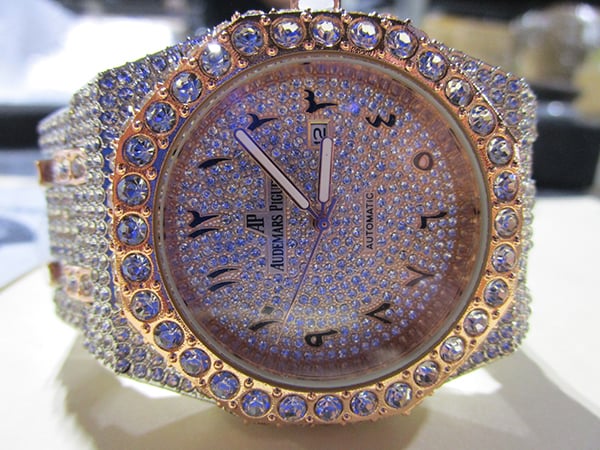


Just a week after stopping a shipment of 460 counterfeit Audemars Piguet watches (which would have had a Manufacturer’s Suggested Retail Price of over $66 million, if genuine), U.S. Customs and Border Protection officers at the Port of Louisville were at it again stopping a shipment of 591 counterfeit watches on Oct. 30. Had these watches been genuine, the shipment would have had a combined Manufacturer’s Suggested Retail Price of over $85 million.
The shipment from Hong Kong was headed for a residence in Texas when officers pulled the parcel for inspection. The examination revealed 591 watches bearing Audemars Piguet trademarks. The items were deemed to be inauthentic by CBP’s, Centers of Excellence and Expertise, the agency’s trade experts, and were seized for bearing counterfeit versions of registered and recorded trademarks.
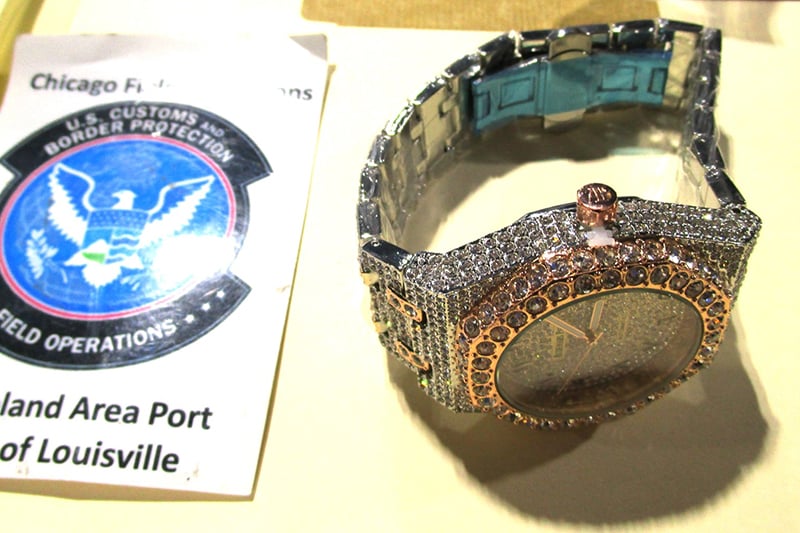
Since May, CBP officers in Louisville have seized five massive shipments of counterfeit jewelry and watches. Combined with this latest interception, this seizure brings the total value of counterfeit goods seized by Louisville CBP in six months to $285 million, not including the other seizures of illicit narcotics and prohibited goods officers have made.
“At face value, these watches are worthless,” said Louisville’s Port Director Philip Onken. “However, if these watches were not seized and made it to the intended recipient, they could then peddle these phonies as real and steal consumers money. You work hard for your money; make sure you are spending it on goods from a trusted retailer.”
To guarantee they are getting what they paid for consumers should shop from reputable sources. Each time a counterfeit good is purchased, a legitimate company loses revenue. This translates to lost profits and the loss of U.S. jobs over time. CBP targets and seizes imported goods that violate intellectual property rights. Counterfeits are a global problem with nearly 90% of CBP’s IPR seizures originating from China and Hong Kong in Fiscal Year 2025.
Counterfeit goods can often be spotted by their inferior quality. Peeling labels, low-quality ink printing errors, and the poor quality of the packaging can be signs that the product you purchased may not be legitimate. Counterfeit apparel and handbags may feature poor or uneven stitching, be improperly sized, or not exist as a product the designer brand produces at all. The performance of counterfeit electronics is often marked by short battery life and regular overheating.
Furthermore, CBP protects the intellectual property rights of American businesses at the border through an aggressive Intellectual Property Right enforcement program, safeguarding them from unfair competition and malicious use while upholding American innovation and ingenuity.
The Truth Behind Counterfeits public awareness campaign provides information about what CBP is doing every day to protect Americans from counterfeit goods.
Consumers can also take simple steps to protect themselves and their families from counterfeit goods:
• Purchase goods directly from the trademark holder or from authorized retailers.
• When shopping online, read seller reviews and check for a working U.S. phone number and an email address that can be used to contact the seller.
• Review CBP’s E-Commerce Counterfeit Awareness Guide for Consumers.
• Remember that if the price of a product seems too good to be true, it probably is.
To report suspected counterfeits, visit CBP’s online e-Allegations portal or call 1-800-BE-ALERT.
U.S. Customs and Border Protection