

















A week of major technology disruptions and newly discovered software vulnerabilities are underscoring the urgent need for a workforce equipped to meet evolving cybersecurity threats. A new report from the U.S. Chamber of Commerce and College Board finds that employers want a combination of technical credentials, workplace skills, hands-on experience, and AI cybersecurity knowledge that they say too few early-career candidates have. The findings point to an urgent need for stronger pathways in high school into one of the nation’s fastest-growing fields.
The Cybersecurity Readiness Report 2026, based on a nationwide survey of 450 cybersecurity decision-makers, finds that readiness is a major sticking point: 85% say most high school graduates are not prepared to enter cybersecurity roles.
“As we’ve seen over the past week, a strong cybersecurity workforce is critical to meet America’s growing cybersecurity threats,” said Neil Bradley, Executive Vice President, Chief Policy Officer, and Head of Strategic Advocacy at the U.S. Chamber of Commerce. “Expanding high quality high school cybersecurity classes can help ensure employers have a stronger pipeline of candidates with technical knowledge, practical experience, and the ability to solve real-world problems.”
Among the report’s key findings:
• Hiring qualified entry-level workers is hard. Fewer than two in five say it is easy to find candidates with the right skills (37%) or experience they need (35%).
• Experience and credentials matter. High school graduates with industry-recognized credentials are viewed as significantly more prepared than those without them (61% vs. 36%). Internships are the most-cited way to build career-ready skills.
• Employers want AI skills. Ninety-seven percent of decision-makers say AI skills are valuable for early-career cybersecurity employees, and 84% say they would be more likely to hire a candidate with AI training or certification.
• Employers want more cybersecurity in high school. Ninety-three percent of respondents say more cybersecurity courses should be taught in high school.

The findings point to the need for more career-focused pathways that give students credentials and hands-on experience before graduation.
“Cybersecurity touches every part of our lives, from our families and finances to the services our communities depend on,” said Jeremy Singer, College Board president. “Young people have the intelligence and resourcefulness to help keep us all safe. We need to give them strong coursework that helps them move from using technology to understanding and protecting it, preparing them for further study, meaningful careers, and service to their communities.”
AP Cybersecurity and AP Business with Personal Finance are the first two courses in College Board’s AP Career Kickstart offerings, developed with input from the U.S. Chamber of Commerce and employers.
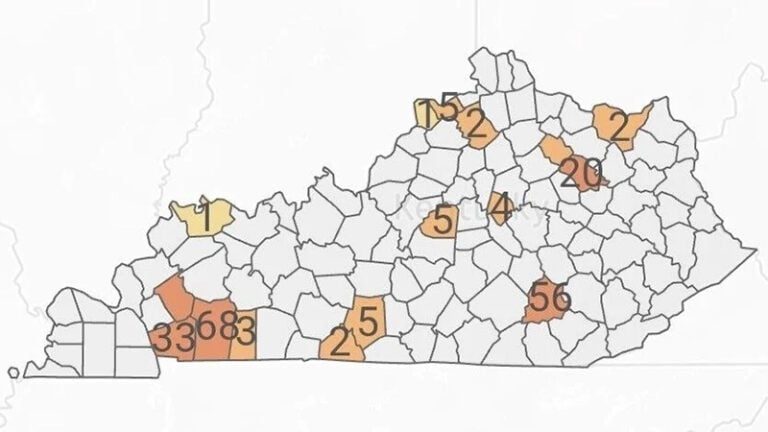
Both courses launched in high schools this school year. AP Business with Personal Finance is now being offered in 57 countries and over 1,000 U.S. high schools. AP Cybersecurity is now being offered in 37 countries and over 800 U.S. high schools.