







By Michael O’Bryant
Special to NKyTribune
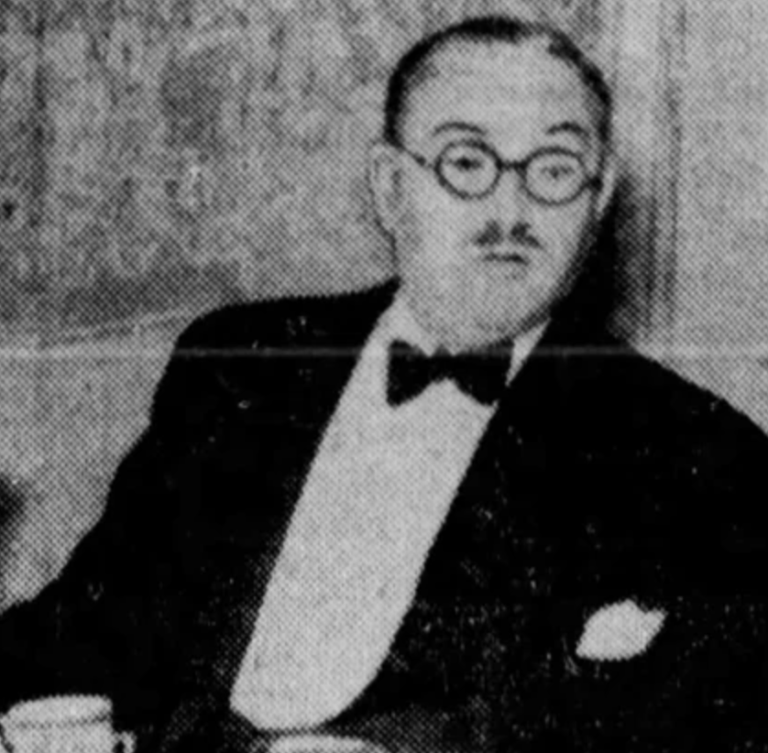
We like our Kentucky bourbon to have an origin story befitting its place as America’s “Native Spirit.” The industry’s preferred image is one of family heritage, tradition, and deep-rooted legacy: a small Kentucky farm, a weathered distiller, and a recipe handed down through generations. Yet much of the image Americans associate with bourbon today was shaped not by a backwoods still maker but by Lewis S. Rosenstiel (1891–1976), a Jewish high school dropout from Cincinnati who rose to become, in the words of the “New York Times,” “the most powerful figure in the distilled spirits industry” (January 22, 1976, p. 37).
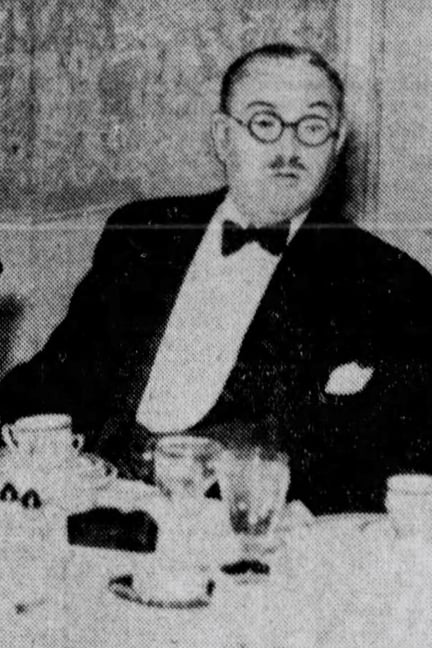
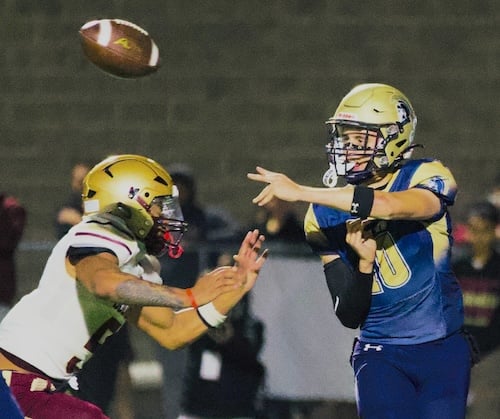
A kick to the head during a football scrimmage ended Rosenstiel’s dreams of becoming an All-American athlete and physician. Doctors advised him to leave school until he recovered. Heeding their advice, he left but never returned. Instead, he went to work for his uncle at the Susquemac Distilling Company in Milton, Kentucky, near the Ohio River above Madison, Indiana.
Rosenstiel earned only $3.50 a week, but the job proved invaluable. Years later, he would say that while sweeping floors and performing odd jobs at his uncle’s distillery, he learned every aspect of the whiskey business.
He remained in the industry until the arrival of Prohibition. During the dry years he took a variety of jobs, including selling bonds and shoes. According to a frequently repeated story, Rosenstiel met Winston Churchill while vacationing on the French Riviera. Churchill allegedly advised him to prepare for the eventual return of legal liquor sales in the United States.
Whether the story is true or not, Rosenstiel did exactly that.
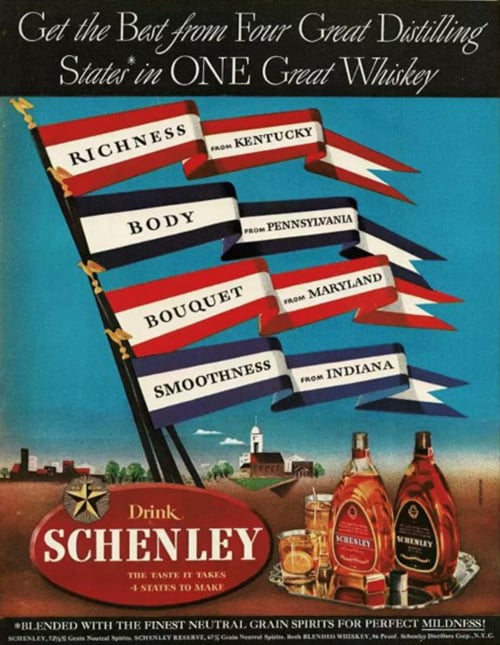
As Prohibition continued, he quietly began purchasing shuttered distilleries that held licenses to produce medicinal whiskey. One of those properties was located in Schenley, Pennsylvania, and Rosenstiel eventually consolidated his holdings into the Schenley Distillers Company. He also acquired valuable stocks of aging whiskey.
One purchase reportedly included the last one hundred barrels of Jack Daniel’s Old No. 7 whiskey still available for legal sale. The remainder had allegedly been acquired by Cincinnati bootlegger George Remus. Although another company controlled the rights to the “Old No. 7” designation, it did not own the Jack Daniel’s name itself. Rosenstiel reportedly sold the whiskey for medicinal purposes under the label “Jack Daniel’s Old No. 8.”
Not everyone believed Rosenstiel’s success stemmed solely from business acumen. During Prohibition, New York investigators alleged that some of the money used to purchase distilleries originated from liquor-smuggling operations connected to Canada. Rosenstiel was indicted on bootlegging-related charges but was never convicted.
His career also produced some unusual political connections. Rosenstiel maintained a close relationship with FBI Director J. Edgar Hoover and, in 1957, appointed Hoover’s longtime associate Lewis Nichols as a vice president at Schenley.
When Prohibition ended in 1933, Rosenstiel was better positioned than most of his competitors. During the dry years he had assembled distilleries, licenses, warehouses, and whiskey inventories that gave Schenley a substantial head start. Under his leadership, the company acquired major brands including Dewar’s, I.W. Harper, George A. Dickel, and James E. Pepper. In 1938, the year Schenley acquired Bacardi Rum, the company moved its headquarters from Cincinnati to New York City’s Empire State Building. Buffalo Springs Distillery joined the company’s holdings in 1941.
The events that ultimately helped transform bourbon into America’s native spirit began with one of Rosenstiel’s few major business mistakes.
At the outbreak of the Korean War, Rosenstiel assumed that wartime conditions would create whiskey shortages similar to those experienced during World War II. Schenley increased production dramatically, filling warehouses with aging whiskey. The anticipated shortages, however, never materialized.
The gamble backfired. Rosenstiel now controlled enormous whiskey inventories at a time when consumer demand was not keeping pace. What looked like an asset threatened to become a liability. Federal tax law required distillers to pay taxes on whiskey aged beyond eight years, regardless of whether it had been sold. Rosenstiel faced the prospect of flooding the market with surplus whiskey at reduced prices or destroying inventory and shrinking production.
Instead, he devised a different strategy.
Rosenstiel sought legislation that would allow whiskey to age longer before taxes became due. If successful, the change would provide valuable time to dispose of Schenley’s surplus inventory. More importantly, it would allow him to market older bourbon not as excess stock but as a premium luxury product.
To achieve this goal, he turned to the Distilled Spirits Institute, the industry’s principal lobbying organization. Although extending the aging period would benefit many distillers, rival companies believed the change would primarily help Schenley and resisted the proposal.
Rosenstiel responded by helping establish a competing trade organization, the Bourbon Institute. The new group’s principal objective was securing legislative changes that would extend the tax-deferred aging period for whiskey. Its most notable success came with passage of the Forand Act (1958), which extended the period before taxes became due from eight years to twenty years.
The legislation solved Rosenstiel’s immediate problem, but he understood that a larger marketing effort was still necessary.
Scotland had Scotch whisky. France had cognac. Mexico had tequila. Even Canada successfully marketed its own distinctive national whiskey. Why, Rosenstiel wondered, shouldn’t the United States have a signature spirit as well? And why shouldn’t that spirit be Kentucky bourbon?
With that goal in mind, Rosenstiel and his allies promoted federal recognition of bourbon as a uniquely American product. Their efforts culminated in a congressional resolution in 1964 declaring bourbon “a distinctive product of the United States.”
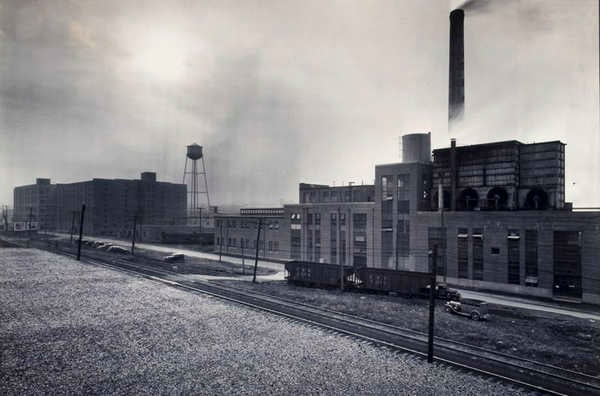
The immediate impact was modest. Few people recognized at the time how influential the declaration would become. Over the following decades, however, marketers increasingly built upon the concept. Bourbon was no longer merely a type of whiskey. It became a symbol of American tradition, frontier heritage, and Kentucky craftsmanship.
What began in part as a corporate effort to reduce competition and move excess inventory eventually helped create one of the liquor industry’s most successful marketing narratives.
Today, bourbon’s identity is built upon stories of authenticity, heritage, and uniquely American origins. Yet many of those themes gained national prominence because Lewis Rosenstiel recognized their marketing potential and persuaded both Congress and consumers to embrace them. Although largely forgotten during bourbon’s modern resurgence, his influence remains woven into the way bourbon is marketed and understood.
Rosenstiel does not fit the image celebrated by today’s whiskey industry. His face is unlikely to appear on a bourbon bottle. No limited-release “Old Rosenstiel” will sit on the top shelf behind a bar. Most bourbon drinkers have never heard his name.
Nevertheless, few individuals did more to shape how Americans think about bourbon. Long after his death in 1976, the stories, traditions, and national identity attached to bourbon still bear his imprint.
Michael O’Bryant was born in Dayton, Kentucky but grew up in Mason, Ohio. He taught for many years at Mason Public Schools, where he inaugurated their junior high football program. He later moved to the high school level, teaching English and Social Studies. For more than twenty years, he has worked in publishing, including Orange Frazer Press in Wilmington, Ohio, as well as Cengage Publishing.
Paul A. Tenkotte, PhD is editor of the “Our Rich History” and professor of History at Northern Kentucky University (NKU). Tenkotte also serves as director of the Ohio River Valley Innovation Library and Learning Engagement (ORVILLE) project. He can be contacted at tenkottep@nku.edu.