



















Editor’s note: This column is a collaboration between a multidisciplinary group of University of Kentucky faculty, researchers, healthcare professionals and communications leaders who bring expertise in health, science, data, research and public engagement in an effort to provide answers to questions the community may have about this topic.
Substances such as kratom, fentanyl and emerging synthetic opioids continue to raise concerns about substance use and overdose prevention. It’s important for students and families to understand the risks associated with substances that may be unfamiliar, mislabeled or more potent than expected.
What is kratom?
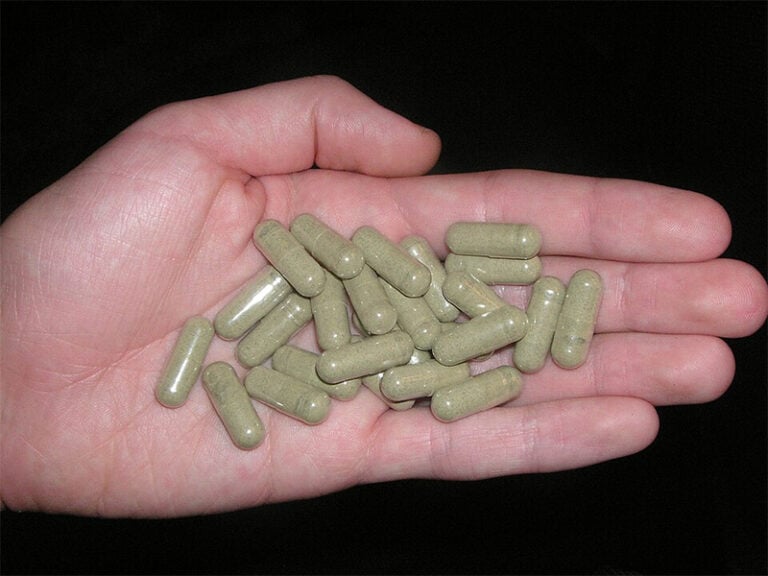
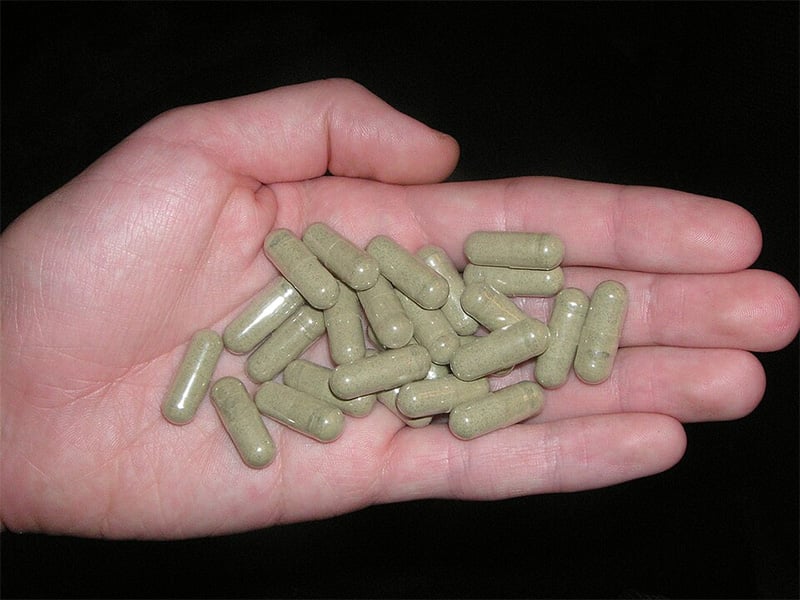
Kratom is a substance made from the leaves of a tree native to Southeast Asia. It is sold in a variety of forms, including powders, capsules, gummies, drinks and concentrated liquid products. It can often be purchased online, at vape shops, smoke shops and some convenience stores. Kratom can produce effects similar to opioids and stimulants.
Is kratom legal?
Kratom is legal in Kentucky for now. A new state law that goes into effect Jan. 1, 2027 will make sales illegal. For now, it being legal does not necessarily mean kratom is safe. The FDA has not approved kratom for medical use and does not regulate kratom products in the same way that it regulates approved prescription drugs. The FDA has warned consumers about potential health risks.
It’s important to know that the FDA does not regulate kratom. We urge anyone to use caution buying these products from convenience stores. Product quality, content and potency may vary from what is listed on the package.
Is kratom safe?
While kratom is often promoted as an herbal supplement, it can carry serious health risks and should not be assumed to be safe. Kratom can cause serious side effects, especially when taken in large amounts, combined with other substances — including alcohol — or used frequently over time. Risks include seizures, liver problems, heart-related issues, breathing problems and substance use disorder.
Can someone overdose on kratom?
Serious medical emergencies have been reported involving kratom. The risk may increase when kratom is mixed with alcohol, prescription medications or other drugs.
Some products marketed as kratom contain concentrated or chemically modified kratom-derived compounds that are more potent than natural kratom leaf and have been linked to serious adverse effects.
What warning signs should parents and friends watch for?
Seek medical attention immediately if someone experiences:
• Trouble breathing
• Loss of consciousness
• A seizure
• Chest pain
• Severe confusion
• An inability to wake up
In an emergency, call 911 immediately.
Students who seek emergency assistance for themselves or others may be eligible for amnesty, meaning the incident may not be recorded on their student conduct record and may not result in costs associated with required educational interventions. The most important thing is getting help when it’s needed.
What are emerging synthetic opioids?
Emerging synthetic opioids are a growing group of powerful, human-made drugs that are appearing in the illicit drug supply. They often have no approved medical use in the U.S. and may be unfamiliar to users, healthcare providers and first responders. Examples include substances such as cychlorphine and other newly identified synthetic opioids.
Why are health officials concerned about emerging synthetic opioids?
Many of these substances can be extremely potent and may increase the risk of overdose and death. Because new opioids continue to emerge, researchers and public health officials may have limited information about their potency, health effects and long-term risks.
How are emerging synthetic opioids different from fentanyl?
While these substances are different drugs, many affect the same opioid receptors in the brain as fentanyl. Like fentanyl and other opioids, they can slow or stop breathing, which is the leading cause of fatal opioid overdoses. Some emerging synthetic opioids may be more potent than fentanyl, while others may have different effects that are still being studied.
How are people exposed to emerging synthetic opioids?
A major concern is that people may not know they are taking them. Emerging synthetic opioids have been found in counterfeit pills made to resemble prescription medications and in other illicit drugs. A person may believe they are taking a prescription medication or another substance when it actually contains a powerful synthetic opioid.
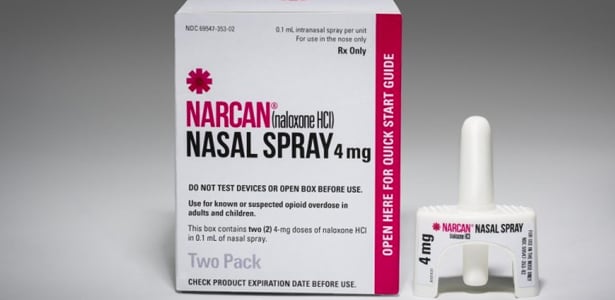
Can naloxone (Narcan) reverse an overdose involving an emerging synthetic opioid?
Naloxone — often known by the brand name Narcan — can reverse the effects of many opioid overdoses and should be administered immediately if an opioid overdose is suspected. Because some synthetic opioids may be especially potent, multiple doses of naloxone may be needed. Always call 911 in a situation like this.
What are the signs of an opioid overdose?
Warning signs may include:
• Slow, shallow or stopped breathing
• Unresponsiveness
• Difficulty waking up
• Blue or gray lips or fingertips
• Pinpoint pupils
Call 911 immediately if these signs are present. Naloxone should be administered if available.
Where is naloxone available?
Anyone in Kentucky can use FindNaloxoneNowKY.org to find this life-saving drug and have it shipped to their home address for free. You can also learn about how to respond when an overdose occurs and how people at risk for overdose can stay safer.
What can students and families do to protect themselves?
The safest approach is to avoid using non-prescribed pills, powders or other substances. Counterfeit drugs can contain fentanyl, emerging synthetic opioids such as cychlorphine, or other dangerous substances that are not listed or known to the user. Never assume that a product is safe because it looks like a prescription medication or is marketed as a natural or herbal product.