










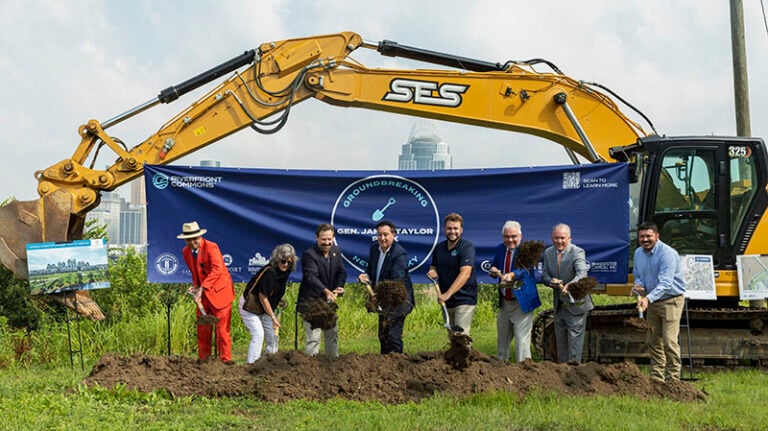



On its face, the relocation of NKU’s Chase Law School and the UK medical school branch to Covington is a wonderful project that will pay dividends to both institutions, their students and faculty, and the region.
But the current proposed location — the Butler Foundation River Center parking lot – cannot and should not be pursued until the impact of the project on parking in the region is studied diligently. In fact, good government, common-sense business practices and local regulations all require it.
It’s no secret that parking in Covington’s Downtown Riverfront area is a mess. Small businesses in the area already suffer from the lack of accessible parking. The OneNKY building added parking pressures, and the removal of the Butler surface lot, about 170 spaces, will add even more pressures. Already, concerns have been raised regarding the impact of reduction of parking access on Convention Center operations, all attributable to the proposed location of the downtown college campus. And those concerns will grow if the plan to expand the convention center comes to fruition.
Covington’s neighborhood development code requires a parking study for the future location of the schools on that property. Responsible planning necessitates a thorough assessment of how new projects affect existing infrastructure. Failing to address increased parking demand risks shifting costs to neighboring entities and local governments, effectively forcing them to subsidize the project.
Private developers are required to conduct parking studies and resolve related issues as part of the approval process. The Northern Kentucky Riverport Authority and Kenton County should adhere to the same standards. If no parking problem is found to exist, then concerns are unfounded; if issues are identified, a clear plan should be prepared and implemented.
The Northern Kentucky Riverport Authority must fully evaluate and address parking needs. Anything less is governmental malpractice. To date the Riverport Authority and Kenton County have ignored these concerns. Put simply, the Riverport Authority is not being a good neighbor.
It’s inconceivable to imagine that the Riverport Authority would propose a development in Boone County that would violate the County’s zoning standards. So why would it do so in Covington?
When I served as mayor of Covington, I raised the issue of the Riverport Authority’s compliance with the City’s development regulations that apply to every private sector developer in Covington. In answer to my concerns, the Riverport Authority said it would adopt a policy agreeing to follow the city’s law. Now is the test of that policy.
State law mandates that any public facility of area wide significance undergo review and recommendation by the local city-county planning commission, including a public hearing before the planning commission. That gives the public the opportunity to weigh in on the parking and the design issues before a building permit can be issued and before construction starts. Addressing these issues early in the process is prudent and helps avoid unforeseen costs.
Projects using substantial taxpayer funds – such as the $125 million allocated here – require transparency, public engagement and careful scrutiny to assure responsible use of the taxpayers’ money. People expect conservative, fiscally responsible management of public resources. Public money should be used to solve problems, not create them. The parking concerns should be proactively resolved to prevent future complications.
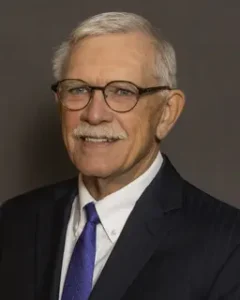
Joseph Meyer is a former state legislator and former mayor of Covington and a long-time resident of the city.