

















By Nick Gunn and Courtney Rogers
University of Kentucky
Summer is a time when many people travel to unique and beautiful places. But for individuals living with diabetes, travel can create additional challenges in managing blood glucose levels.
Changes in climate, meal timing, physical activity, sleep and medication schedules can all significantly impact blood sugar control. Planning ahead and maintaining healthy habits are essential for staying safe and preventing complications while traveling.
When temperatures begin to rise, the risk of hypoglycemia can increase significantly. Increased physical activity, hot weather and dehydration may all affect blood glucose levels. More frequent blood sugar monitoring is important to help prevent dangerous lows, and travelers should always keep fast-acting carbohydrate treatments readily available. When traveling, it is helpful to choose options that will not melt in the heat or be confiscated by TSA. Good travel-friendly choices include glucose tablets (3-4 tablets), hard candies (3-4 pieces) or a snack-sized package of Skittles.
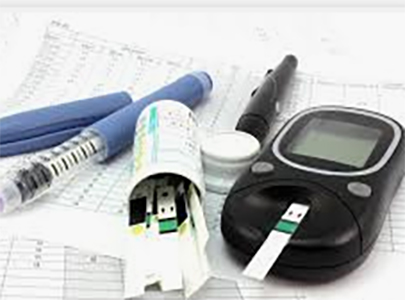
Insulin storage is another important consideration during travel. According to the American Diabetes Association (ADA), unopened insulin should generally be stored in a refrigerator until ready for use. However, most insulin products can remain at room temperature for up to 28 days once opened. Insulin should never be exposed to extreme heat, direct sunlight or freezing temperatures, as these conditions can reduce its effectiveness. During travel, insulin should be stored in an insulated travel bag or cooler pack and kept in carry-on luggage during flights to avoid temperature extremes in checked baggage.
Travel and routine disruptions can also interfere with meal timing, increasing the risk of both hypoglycemia and hyperglycemia. Skipping meals or waiting too long to eat may lead to blood sugar fluctuations and overeating later in the day. Individuals with diabetes should prioritize balanced meals and carry convenient snacks throughout the day.
Certain diabetes medications, including long-acting insulin, metformin, GLP-1 receptor agonists and others, should be taken at the same time each day. Traveling across time zones can make medication timing confusing. Planning ahead and setting reminders can help reduce stress and improve medication adherence while traveling.
Another important consideration is making sure all necessary diabetes supplies (including backup supplies) are packed before leaving home. Below are some important items to consider bringing:
• Insulin
• Insulin pen, needles, syringes
• Pump supplies
• Infusion sets
• Reservoirs/ cartridges
• Extra pump batteries or chargers
• Adhesive patches/tape
• CGM supplies
• Extra sensors
• Transmitter if needed
• Charger/receiver
• Skin prep/overpatches
• Blood glucose meter
• Test strips
• Lancets
• Ketone strips
• Low treatment
• Emergency supplies
• Glucagon
• Medical ID
• Printed prescriptions
• Health insurance card
A good rule of thumb is to pack:
• 2x the supplies
• 2 ways to give insulin
• 2 ways to check glucose
• Fast sugar in every bag
With a little preparation and planning, individuals with diabetes can travel safely and confidently while still enjoying their summer adventures. Staying mindful of blood sugar levels, medication schedules, hydration, and necessary supplies can help prevent complications and make traveling less stressful. By planning ahead, people with diabetes can focus less on managing challenges and more on making lasting memories.
Nick Gunn and Courtney Rogers are registered dietitians and apprentice diabetes educators for University of Kentucky HealthCare’s Barnstable Brown Diabetes Center.