














By Jill Cole
University of Kentucky
A massage isn’t just a great way to relax and unwind after a long week — it can be a crucial part of a health care treatment plan.
What is massage therapy?
Massage therapy is the process of a licensed massage therapist using their hands or other tools to manipulate soft tissues like muscles, tendons, ligaments and connective tissue. Massage therapists use specialized techniques to target areas of the body to increase relaxation and relieve muscle tension. For many people, a massage provides stress relief and can help with certain types of pain.
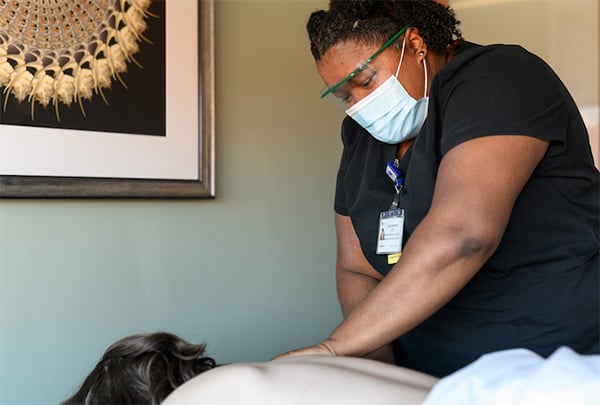
There are several forms of this therapy, including Swedish, Shiatsu, deep tissue and sports massage. While people may assume a massage needs to be intense or use significant pressure to be effective, a gentler touch can be very helpful — especially for cancer patients.
Oncology massage
You may have heard of “oncology massage,” which is a broad term used to describe massage therapy designed for patients undergoing cancer treatment or who have had treatment in the past.
Massage therapists can adapt their techniques for these patients, using a lighter touch to prevent discomfort and keep patients safe. Getting a massage during treatment can help reduce overall pain, improve fatigue, reduce anxiety and depression, and even improve sleep.
Certain types of massage may be more appropriate for the patient depending on what type of cancer they have and their overall health condition. For example, a patient with a tumor in their abdomen will want to avoid any therapeutic manipulation in that area. Patients who are very sensitive to touch may find relief through reflexology, the practice of applying pressure to certain areas of the hands and feet.
Lymphatic drainage massage
A specific form of therapy that patients may seek out is lymphatic drainage massage. Cancer or cancer treatment can sometimes cause lymphedema, a condition where your lymphatic system is unable to return excess fluids, proteins and toxins from cells back to the bloodstream. Patients may notice mild to significant swelling to parts of their body, especially the hands, arms, legs and feet. Lymphedema can be very painful and negatively affect your overall quality of life.
During a lymphatic drainage massage, the massage therapist will carefully work on areas of the body that contain lymph nodes and apply light pressure to help lymph fluid move along. This can not only reduce the swelling across the body, but it can also help relieve neuropathy (tingling in the hands and feet), which is a common side effect of undergoing chemotherapy.
Where can I find practitioners who provide oncology massage?
Most major National Cancer Institute-designated comprehensive cancer centers — like the UK Markey Cancer Center — offer massage as part of an integrative medicine program. Additionally, smaller hospital systems may offer it, and some private practices may have a licensed oncology massage therapist on staff. It’s important to find a qualified oncology massage trained massage therapist. The Society for Oncology Massage is an excellent resource and has a practitioner locator, as well as the American Massage Therapy Association.
Insurance may cover the cost of massage as part of overall cancer treatment, so it’s worth checking before you go. If you use a flexible spending account or a health savings account, those funds can be used to pay for massage therapy costs as well.
Jill Cole is a massage therapy coordinator for University of Kentucky Integrative Medicine and Health.