













I was doing some research a week or so ago, and ran across a piece of information that I found compelling. According to the Harvard Medical School, the number one cause of aging is chronic stress (inflammation is a term the article used synonymously).
What exactly is inflammation? I have heard that term used countless times, and was curious why it is being used interchangeably with stress. I found out that inflammation is a term to describe the body’s immune system response to stress. So, the article is saying that the number one cause of aging in the body is when your body is constantly fighting stress. This constant fight creates vulnerabilities in your system, and actually influences the time line of particular gene expressions.
This makes sense; if your body is constantly in attack mode, it can never rest. It can never recover.
We know that inflammation is the body’s response to stress, but how do we know what we’re dealing with is bad stress? Proper exercise is good stress, digesting a balanced meal is good stress, engaging in a new activity that makes you nervous could be good stress, etc. How do you know if the type of stress you are experiencing is the maladaptive kind versus the adaptive kind?
Signs of bad chronic stress
Here are a few signs of bad chronic stress (just a few):
• Noticing a dip in enthusiasm for life
• Poor sleep
• Decrease in pleasure for things you usually enjoy
• Feeling Alone
• Irregular Bowel Movements/GI issues
If you are dealing with negative chronic stress, how do you get out from under it? According to Mauree Salamon of Harvard Health, there are five main ways to improve it.
• Consistent sleep
• Regular exercise
• Disciplined diet
• Strong Social Connections
• Sense of purpose
The difference between positive stress and negative stress is not totally clear to me yet, but here is a definition of the two that could be helpful.
• Bad Stress: Stress that you are not recovering from
• Good Stress: Stress that you can recover from.
That may sound oversimplified, but I really do think if we are honest with ourselves about what is draining our energy, or making us feel exhausted, we may identify the stress in our lives that is literally aging us.
When I am beginning working with someone and creating their exercise regiment, one of the most important questions that I ask them is: How long is it taking you to recover? Recovery is the adaptation taking place, it doesn’t happen in the gym. In other words, good adaptation doesn’t happen during the stressor, it takes place afterwards. If you are training too hard, and not recovering, you will end up experiencing chronic inflammation.
Example: When I was 21, I worked out four hours a day. I ended up getting sick every single month for a year. I felt exhausted when I woke up, but I caffeinated heavily and told myself I was disciplined. I ended up sustaining a couple of injuries during this time period as well. I dislocated a few ribs, hurt my back, (which took a year to recover) and was constantly sore.
From the outside looking in I looked disciplined, when in reality I was destroying my body and calling it virtuous.
Now that I know how actual adaptation works, I spend time reflecting on how my body and mind actually feel. I take way more days off, I sleep better, I have more energy and much less pain.
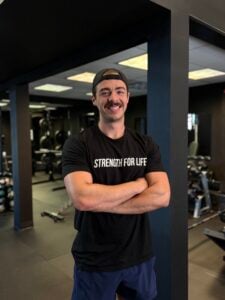
Lee Ramsey has a passion for fitness as a way to help people grow and change into more adaptable, capable and resilient versions of themselves. He is owner of Sanctify Fitness in Covington and a regular fitness columnist for the NKyTribune.