
















By Andy Furman
NKyTribune staff writer
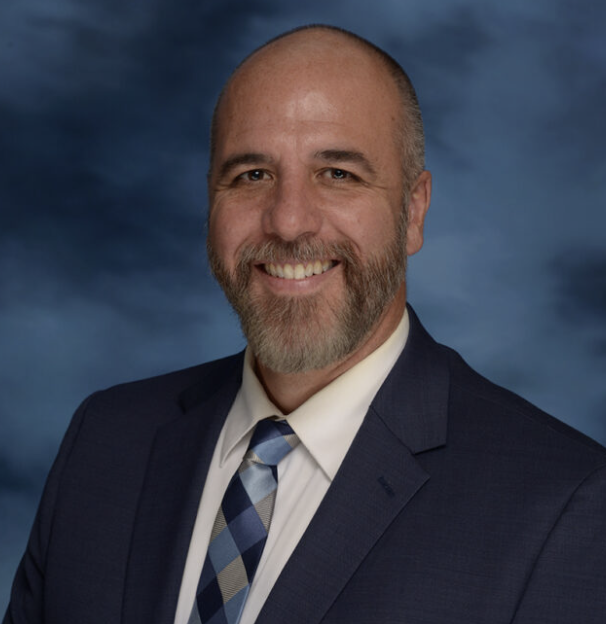
You can’t solve a problem if you can’t define the problem. So says Kevin Finn.
Those were his words as he spoke to the Covington Rotary Club this week.
In 2007, Finn founded Strategies to End Homelessness, which leads a coordinated effort to end homelessness in Greater Cincinnati. Working in partnership with 30 non-profit organizations, Strategies to End Homelessness coordinates homelessness prevention programs as well as services to people experiencing homelessness throughout Greater Cincinnati.

“We stop homelessness before it starts,” Finn said, “using data-driven solutions that work. Our impact includes the lives of people who never become homeless in the first place.”
But first, what exactly is homelessness?
“A place,” says Finn, “not for human residence; or one fleeing from domestic violence or using the street for shelter.”
In fact, he continued, most homeless individuals are not living on a park bench or on the street.
“Most,” he claims, “are living in a shelter. “In fact, close to 85 percent of the homeless in Hamilton County are in a shelter.”
Finn gives the common example of that person at the highway exit with a homeless sign in his hand, asking for money.
“He’s probably not homeless,” said Finn, who received his master’s degree in social work from the University of Kentucky. “Most people see homelessness in their own eyes. People don’t see the family. The children. The entire unit.”
He listed a remarkable statistic to the lunch crowd.
“In 2023, in Hamilton County, 11 families were documented as using their car for home – and sleeping in it. In 2025, that number jumped to 328.”
And there’s more.
Twenty-five percent of homeless individuals, in Hamilton County, were children – and half under the age of 35.
There’s more.
Forty percent had some kind of mental illness – and sixty-five percent of the homeless group were African Americans.
Why?
“Homelessness is simply a result of three major factors,” Finn said. “Education, health care and/or mental health. We as a society, are not serving these people,” he added, “and multiple things have just gone astray in their lives.”
Finn said he’d like to see the federal government step up with more funds.
“We get about $36 million a year from the federal government,” he said, “We spend about $26,000 on the average homeless person per year.”
But he quickly added, “We, as an organization have to wait for these people to appear on the street before we can even assist them.”
The monies, he says, goes to housing post homelessness.
Finn began his work serving people experiencing homelessness as a street outreach worker in 1998, working with unsheltered teenagers.
He then founded and operated a day-shelter for homeless teens and then created several programs which sought to break the cycle of chronic homelessness.
“It’s not about who needs help,” Finn said, “it’s who needs it the most.”